
Last updated November 15, 2026
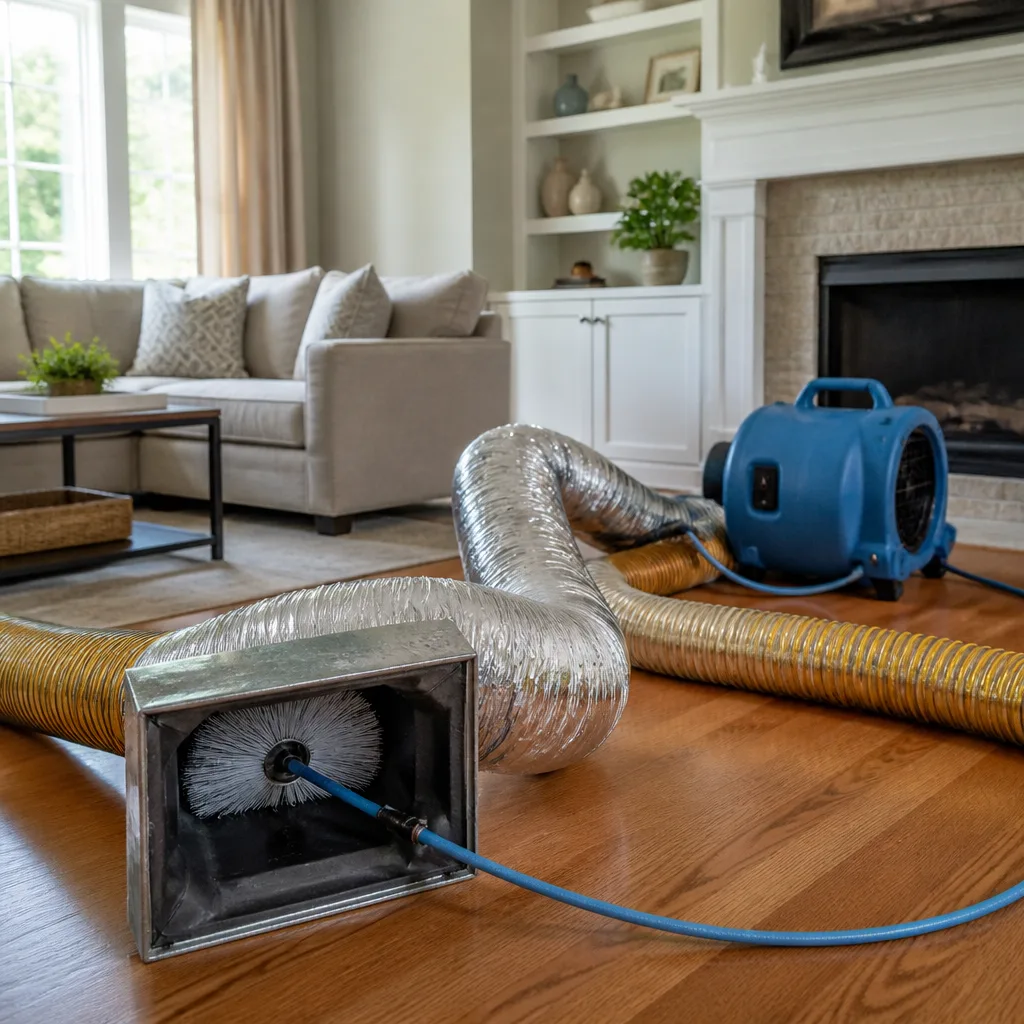 Whole-home duct cleaning
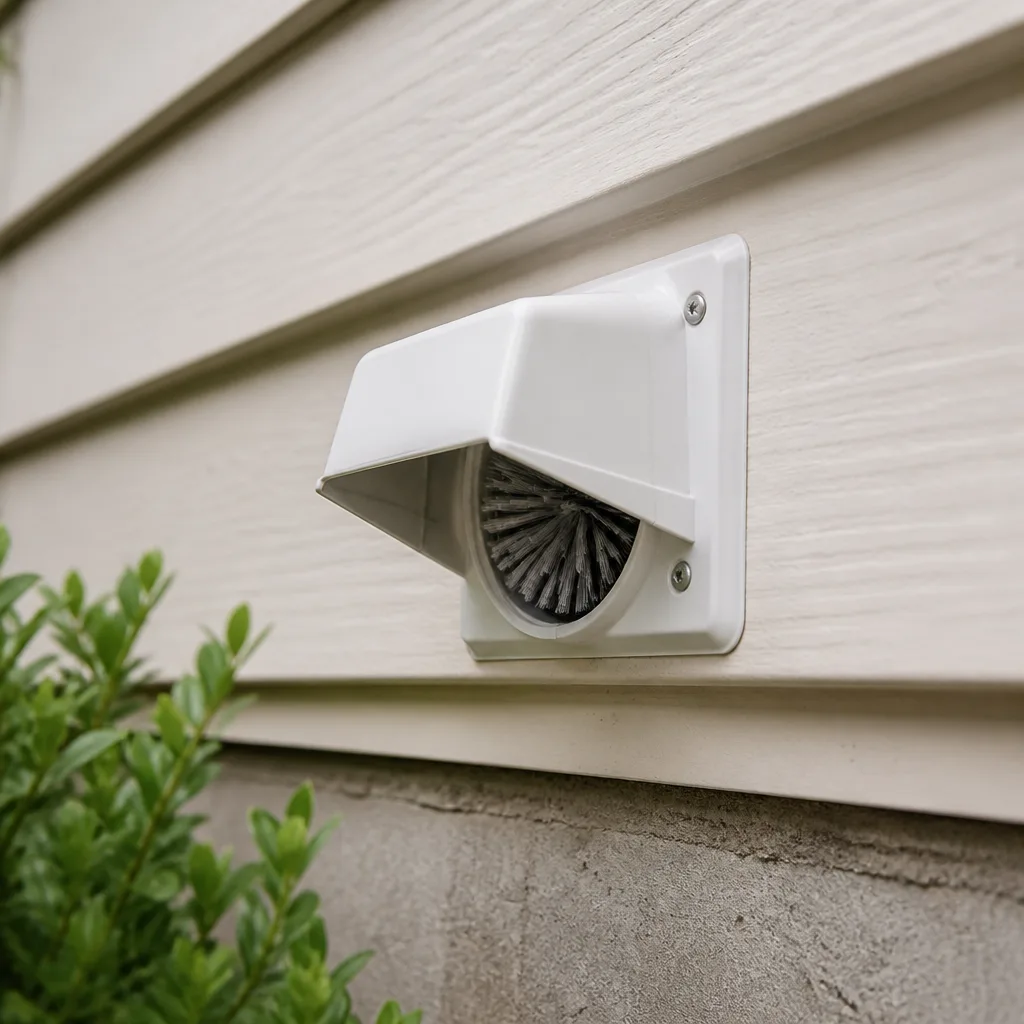 Dryer vent cleaning
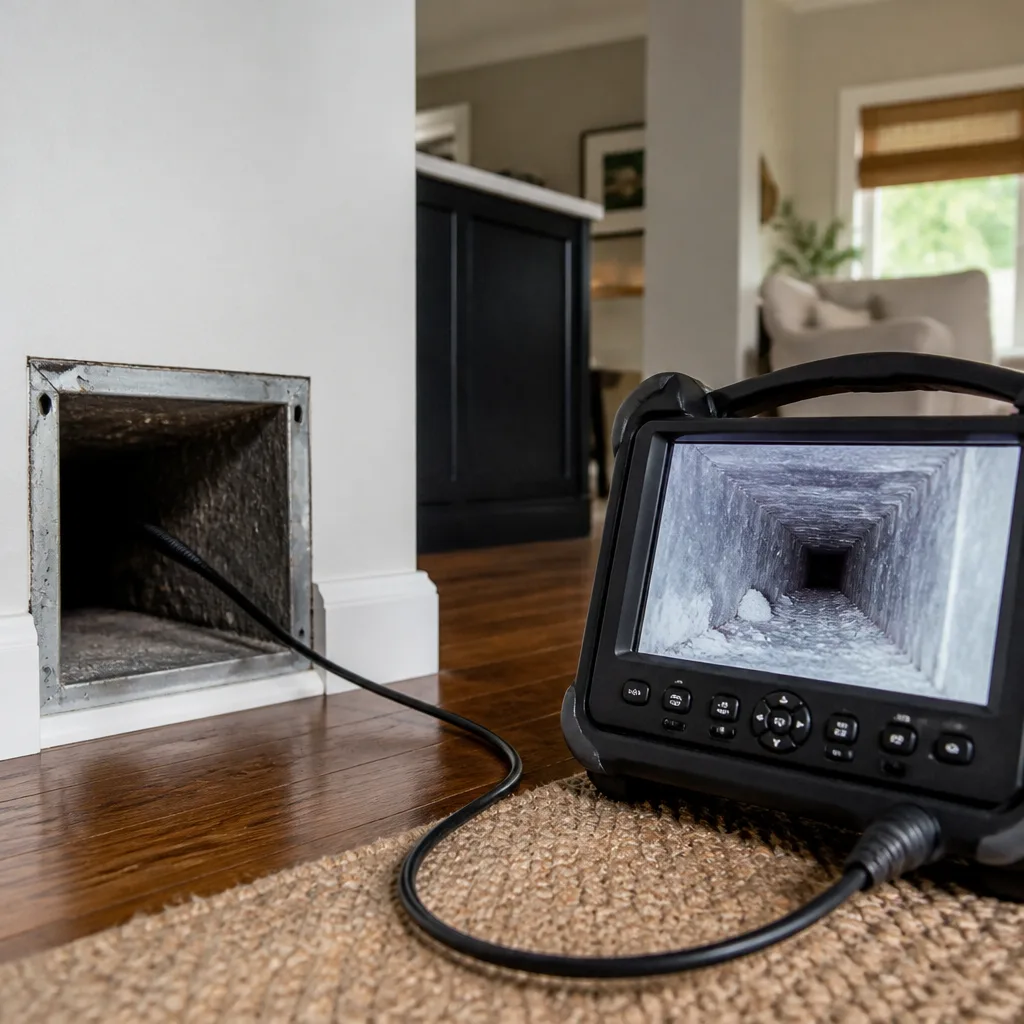 Camera inspection
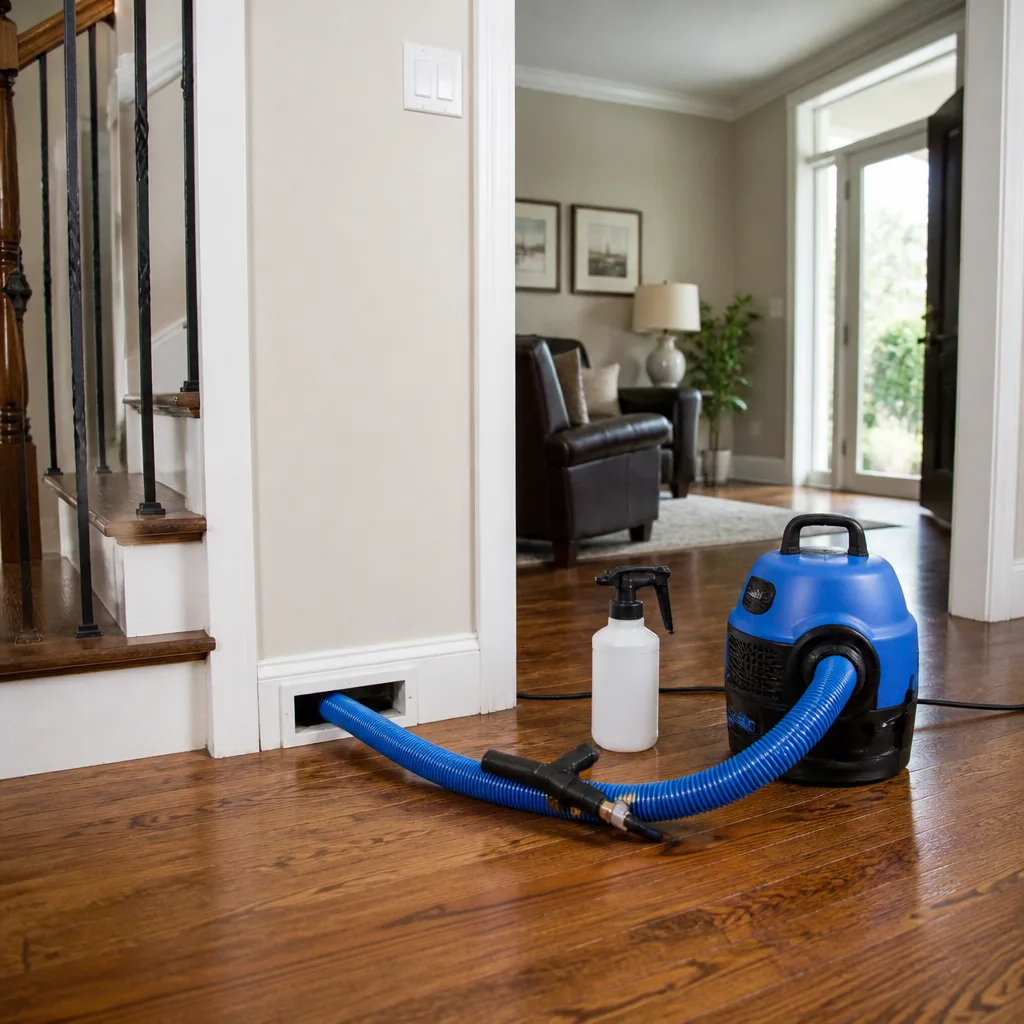 Sanitizing & deodorizing
Whole-system duct and dryer vent check with before-and-after photos - you see exactly what came out of your vents
That "$99 whole-house special" is a bait ad - the real number appears once they are in your hallway, or the "clean" is a shop-vac at the register. We photograph the inside of your ducts before and after instead.
Air Duct Cleaning Permits, Codes & Inspections in Joliet, IL: What You Need to Know
No one pulls a permit to vacuum your ducts. That part is maintenance, and maintenance is exempt. But the moment a technician cuts into a plenum, replaces a section of flex run, or reroutes a dryer exhaust through an exterior wall, the job has crossed a line in most Will County jurisdictions and the paperwork question becomes real. Homeowners rarely see that line coming, because the estimate arrives as one flat number and nobody explains which part of it is cleaning and which part is construction. This guide maps where the regulatory line actually sits in Joliet, what the City of Joliet Building Division cares about, and what to ask a contractor to document even when no permit is required.
Quick Answer
Air duct cleaning by itself does not require a permit in Illinois or in Joliet. Duct repair and modification often do: sealing or replacing plenum sections, adding or relocating runs, and rerouting a dryer vent through a wall or roof typically fall under a mechanical permit and inspection through the City of Joliet Building Division. If work goes beyond vacuuming and brushing the existing system in place, ask your contractor whether a permit applies and get the answer in writing.
Styles & brands we work with
- Whole-home duct cleaning
- Dryer vent cleaning
- Camera inspection
- Sanitizing & deodorizing
Table of Contents
- Duct Cleaning vs. Duct Repair: Where Illinois Code Draws the Line
- What the City of Joliet Building Division Requires
- Dryer Vent Rerouting: The Most Common Unpermitted Repair
- How Unpermitted Duct Work Affects a Joliet Home Sale
- What to Ask a Contractor to Document
- What an HVAC Inspection Actually Looks At
- Joliet Housing and Climate Factors That Change the Answer
- Common Mistakes to Avoid
Duct Cleaning vs. Duct Repair: Where Illinois Code Draws the Line
Illinois adopts the International Mechanical Code as the basis for its statewide mechanical requirements, and local jurisdictions like Joliet layer their own permitting and inspection procedures on top. The IMC does not regulate cleaning. It regulates the system: how ducts are sized, how they’re sealed, how they connect to equipment, how they penetrate walls and roofs, and how they handle fire separation. That distinction explains almost everything homeowners find confusing about this topic.
Here’s the practical version. Cleaning means removing accumulated debris from a duct system that stays exactly where it is. Repair means changing the system. Change enough of it and you’re in permit territory.
Work that’s generally maintenance-exempt
- Source removal of dust, debris, and loose construction material from existing ducts
- Rotary brush cleaning of trunk lines and branch runs that remain in place
- Vacuuming and brushing of registers, grilles, and return plenums without cutting into them
- Replacing a filter or cleaning a filter housing
- Cleaning a dryer vent along its existing path without changing the route
Work that commonly triggers a mechanical permit
- Replacing a section of duct, plenum, or transition fitting
- Cutting a new supply or return opening into a trunk line
- Rerouting a dryer exhaust to a new exterior termination point
- Adding, relocating, or removing a run to a room
- Sealing joints in a way that involves removing and reinstalling duct sections
- Any change that alters how the system penetrates a wall, ceiling, floor, or roof
The line is not about how much dirt comes out. It’s about whether the duct system’s geometry, connections, or penetrations change. When we quote air duct cleaning, we separate those two categories on the estimate so the homeowner can see which portion is cleaning and which portion, if any, is repair work that might need paperwork. If the repair can’t wait, we handle it on the same visit rather than sending the homeowner looking for a second contractor.
What the City of Joliet Building Division Requires
Joliet issues mechanical permits for HVAC work through the City of Joliet Building Division, and the general rule across Will County jurisdictions is consistent: if the work is construction, alteration, or replacement of a mechanical system component, a permit and an inspection are typically expected. Maintenance, including cleaning, is usually exempt. The exact scope varies by jurisdiction and by project, so the answer for your specific job comes from the Building Division, not from a general rule of thumb.
What that means in practice for a duct job:
- Ask directly. Before any work begins that involves cutting, rerouting, or replacing duct, call the Building Division and describe the job in plain terms: what’s being removed, what’s being added, and where. Their answer governs.
- Get the permit pulled by the party doing the work. The contractor performing the modification is normally the one who pulls the permit. If a cleaning crew wants to hand the permitting question back to you, that’s a signal the scope is unclear.
- Expect an inspection for permitted work. A mechanical inspection looks at the installation itself: connections, sealing, support, clearances, and how ductwork interacts with the structure. It doesn’t evaluate how clean the ducts were before.
- Keep the paperwork. The permit record and inspection sign-off are the documents a future buyer’s inspector will want to see.
One local wrinkle worth knowing: Joliet’s housing stock is older than the state average in several neighborhoods, and older homes often have duct systems that were modified repeatedly before anybody documented anything. In parts of town near the downtown core and along the older residential blocks stretching out from the Des Plaines River, it’s common to find systems with a mix of original galvanized trunk and later flex additions. When we clean in those homes, we can usually tell which modifications were done carefully and which weren’t. We can’t tell whether a permit was ever pulled. That’s a records question, and the Building Division is where the records live.
Dryer Vent Rerouting: The Most Common Unpermitted Repair
Dryer vent work is where the permit conversation gets skipped most often. A homeowner has a dryer that isn’t drying well, or a contractor suggests moving the exhaust to a shorter path, and the next thing that happens is a run of flexible duct stapled through a crawlspace with no documentation. Sometimes it works fine. Sometimes it creates a real problem.
We treat dryer vent cleaning as fire-safety work, not an air quality add-on, because lint accumulation in a dryer exhaust is a leading cause of residential structure fires. That’s the reason vent routing matters so much. A vent run that’s too long, has too many elbows, uses the wrong material, or terminates somewhere it shouldn’t is a fire risk regardless of how clean it is. Changing that routing is a modification to the building’s exhaust path, and in most jurisdictions it’s a permitted alteration.
When dryer vent rerouting genuinely matters
- CO and combustion safety. Dryer exhaust routing interacts with the pressure balance of a home. A route that changes how a home vents can affect appliances that rely on natural draft. This is one of the reasons rerouting is treated as real construction rather than maintenance.
- Insurance claims. If a dryer fire happens and the exhaust routing turns out to have been modified without a permit or inspection, that’s a question an adjuster can raise during a claim. Documented, inspected work is easier to defend.
- Resale. A home inspector will trace the dryer vent, note its material, length, and termination point, and flag anything that doesn’t look like a standard installation. Unpermitted rerouting shows up in that report.
If a cleaning reveals a vent problem beyond lint, we can repair it. That’s why Air Duct Repair sits on our service menu alongside cleaning and dryer vent work. The homeowner doesn’t have to schedule a second visit with a second company to fix what the first visit found.
How Unpermitted Duct Work Affects a Joliet Home Sale
The permit question stops being theoretical when a house goes on the market. In Will County, a buyer’s home inspection routinely includes a look at the HVAC system and the ductwork, and inspectors flag modifications that don’t match the home’s documented history. That doesn’t automatically kill a sale, but it does create a negotiating problem: the buyer asks for proof, the seller doesn’t have it, and the deal either stalls or the price adjusts.
The most common issues that come up:
- Undocumented dryer vent routing. A vent that terminates in a crawlspace, attic, or garage rather than outdoors is a red flag on any inspection report. So is a long run of flexible foil duct where rigid duct would be expected.
- New supply or return openings. Cutting an extra register into a trunk line without adjusting the system’s balance can create pressure problems that an inspector will notice through temperature differences between rooms.
- Plenum modifications. A replaced or patched plenum section with visible tape and no documentation reads as unpermitted work to a careful inspector, whether or not it actually was.
- Sealing done badly. Duct mastic and foil tape applied over failing joints can hide a bigger problem. Inspectors know what to look for.
If you’re preparing a Joliet home for sale and you’re not sure what’s been done to the duct system, the cheapest path forward is a cleaning and inspection done together, with documentation of what we found and what condition it’s in. We can’t retroactively permit someone else’s work, but we can tell you clearly what exists and what needs attention before a buyer’s inspector does.
What to Ask a Contractor to Document Even When No Permit Is Required
Most duct cleaning jobs don’t need a permit, which means most duct cleaning jobs produce no paper trail beyond the invoice. That’s fine until something goes wrong, or until you sell the house, or until you can’t remember whether the technician actually cleaned the system or just walked past it with a shop vac for twenty minutes. Here’s what to ask for, every time, whether a permit applies or not.
- A written scope before work starts. Which runs are being cleaned, which aren’t, what happens to the plenum and the air handler cabinet, and whether any repair work is included. The scope should match the estimate exactly.
- Before-and-after photos of your own system. Not stock photos of somebody else’s ducts. Photos of your registers, your trunk line, and your plenum, taken before and after. This is the simplest verification tool a homeowner has.
- Material specifications if repair work is involved. If a section of duct is being replaced or a dryer vent is being rerouted, the contractor should tell you what material is being used and why. Rigid duct versus semi-rigid versus flexible matters for dryer exhaust and for supply runs, and the reasoning should be stated, not assumed.
- Equipment used. We run Rotobrush rotary brush systems paired with Nikro HEPA-rated vacuum equipment, and we state that on the estimate. That combination is the setup commercial duct contractors rely on. When a contractor won’t say what equipment they’re bringing, that’s worth asking about.
- Any findings that fall outside the original scope. If a technician opens a plenum and finds a cracked fitting or a disconnected run, that needs to be documented in writing and photographed before the repair conversation happens.
- The final invoice matching the estimate. One flat price per system, agreed before work starts. If the invoice doesn’t match the estimate, the difference should be explained in writing, not verbally.
None of this is bureaucratic overkill. It’s the difference between having a record of what was done to your home and not having one.
What an HVAC Inspection Actually Looks At
A mechanical inspection, when one applies, is not a cleanliness inspection. It’s an installation inspection. The inspector is confirming that what was built or modified meets the code requirements for the system’s construction: proper materials, proper connections, proper support, proper clearances, and proper termination.
What that means for duct-related work:
- Connections and sealing. Joints should be mechanically fastened and sealed in a way that meets code, not just taped over.
- Support and routing. Duct should be supported at required intervals and routed without unnecessary restrictions or sharp bends.
- Clearances. Ductwork near heat sources, appliances, or combustible materials needs the clearances the code specifies.
- Termination. Dryer exhaust terminates outdoors, not in an attic, crawlspace, or garage. Supply and return terminations should be in the rooms the system is designed to serve.
- Integration with other systems. If a whole-home air filtration unit was installed or modified, the inspector is looking at its installation as part of the mechanical system. This is where familiarity with Honeywell and Aprilaire systems matters, because the inspector will expect the installation to follow the manufacturer’s requirements.
For allergen or contaminant remediation scenarios, containment during the work matters as much as the finished product. We keep Abatement Technologies containment equipment available for jobs where dust, mold, or other contaminants need to stay contained during the process. A mechanical inspector isn’t going to review your containment protocol, but a contractor who does that work properly is also a contractor who installs properly.
Joliet Housing and Climate Factors That Change the Answer
Joliet sits in northern Illinois, which means real winters, real heating season, and real humidity swings between summer and winter. Those conditions shape what duct problems look like and therefore what repairs are likely to be needed.
Heating season and duct condition
A duct system that runs constantly through a long heating season accumulates more debris and shows its weaknesses faster than one in a milder climate. Disconnected runs, failing joints, and undersized returns become visible as uneven room temperatures during the coldest months. When we clean in Joliet through the winter, the findings are usually about the system’s integrity, not just its cleanliness. That’s where the permit question comes up, because integrity problems often mean repair, and repair often means paperwork.
Older housing stock
Joliet has a substantial amount of older housing, particularly in the neighborhoods closer to the river and in the older blocks that grew up around the city’s industrial history. Those homes often have duct systems that were designed for a different era of HVAC equipment and modified as furnaces were replaced over the decades. A duct system that’s been altered multiple times without documentation is exactly the kind of system where a cleaning uncovers something a homeowner didn’t know about. When that happens, the right move is to document the finding and decide whether a permit applies before touching anything.
Whole-home filtration systems
Homes with Honeywell or Aprilaire whole-home air filtration installed have a different duct relationship than homes with standard filter grilles. Those systems are integrated into the return side of the duct system, and cleaning or repairing around them requires knowing how they’re built. We work with both, which matters when a repair is needed near or around the filtration unit itself. Guardsman equipment also comes into play in some of these setups, and knowing the difference between equipment types saves a homeowner from a contractor who’s guessing.
The point isn’t that Joliet homes are uniquely problematic. It’s that the duct system in a Joliet home is likely to have a longer and less-documented history than the homeowner realizes, and the cleaning process is where that history surfaces.
Common Mistakes to Avoid
- Assuming “no permit needed” applies to the whole job. Cleaning is exempt. Repair usually isn’t. If the estimate combines both into one number without breaking them out, ask which portion involves modification and whether a permit applies to it.
- Letting a dryer vent be rerouted without documentation. A shorter dryer vent path is often a genuine improvement, but the rerouting itself is construction. If it’s not documented, you’re carrying an unpermitted modification into any future sale or insurance claim.
- Accepting a verbal scope. “We’ll clean the whole system and fix anything we find” is not a scope. It’s a sentence that means whatever the contractor wants it to mean after the work is done. Get it in writing before the technician starts.
- Skipping the photo documentation. Before-and-after photos of your own ducts are the simplest proof that the work happened. If a contractor won’t provide them, ask why.
- Confusing “cheaper” with “less work.” Some quotes are lower because the contractor isn’t bringing contractor-grade equipment, isn’t running source removal on every run, and isn’t documenting. The equipment gap shows up in the results, and the documentation gap shows up at resale.
- Ignoring what the cleaning turned up. When a technician finds a disconnected run or a failing plenum seal, that finding is an opportunity to fix it correctly. Deferring it until the next cleaning means living with a known problem.
- Not asking what happens if a repair is needed. The best time to ask “can you handle the repair on the same visit?” is before the cleaning, not after. A contractor who has to defer to a second vendor is a contractor who’s leaving a gap in your system’s condition.
When to Call a Professional
Some duct issues are better handled before they turn into permit-and-repair projects. Call a professional when you notice uneven heating or cooling between rooms, visible dust blowing out of registers shortly after a cleaning, a dryer that takes more than one cycle to dry a load, a musty smell when the system first kicks on, or visible damage to exposed duct in a basement or crawlspace. Call before a home sale if you don’t have documentation of past duct work. And call if a contractor has told you a repair is needed but couldn’t explain whether it requires a permit; a second opinion is free, and the answer matters.
Duct Cleaning Joliet offers free estimates in Joliet. Call (833) 734-7685. We answer 24/7. Fast dispatch from 7am to 7pm, Sunday through Friday. Our technicians have up to 15 years of experience, and we’ll tell you clearly which part of your job is cleaning and which part, if any, is repair that might need a permit.
See the difference
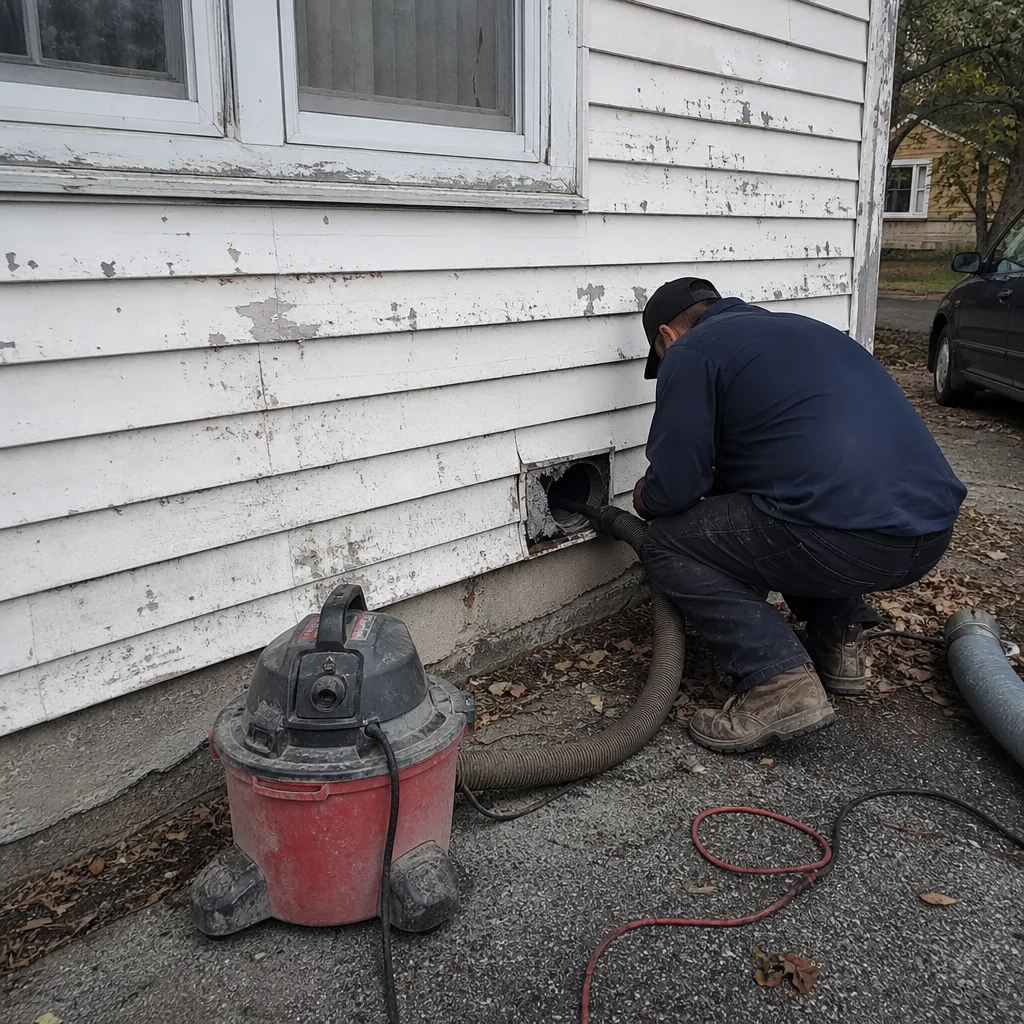 Before
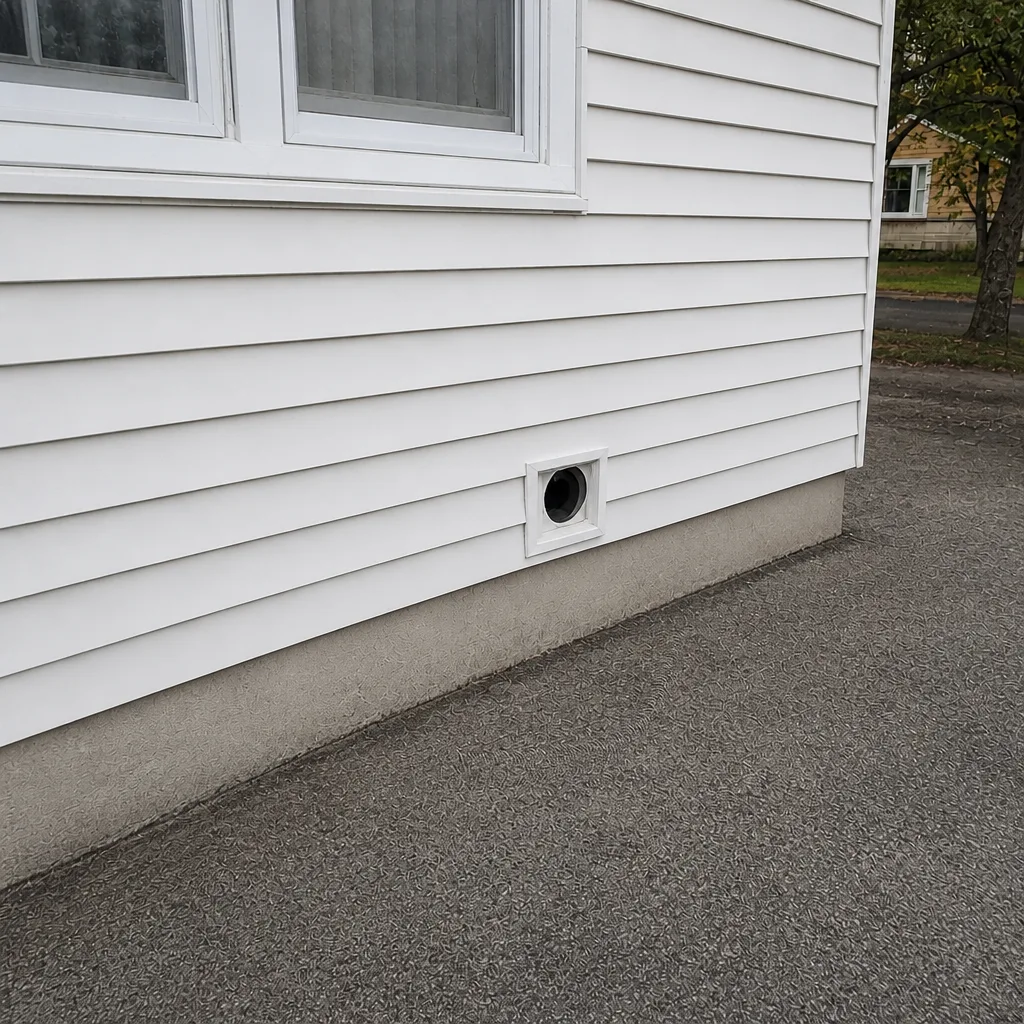 After
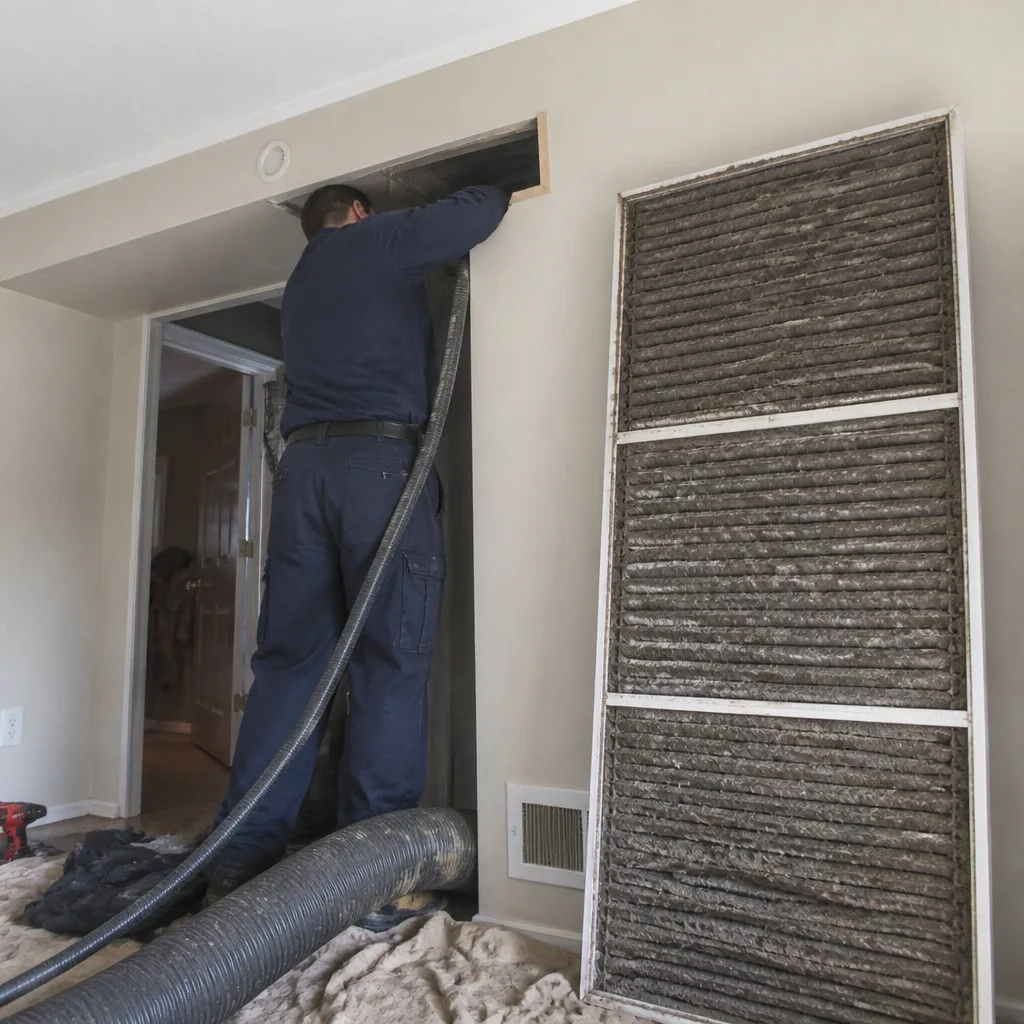 Before
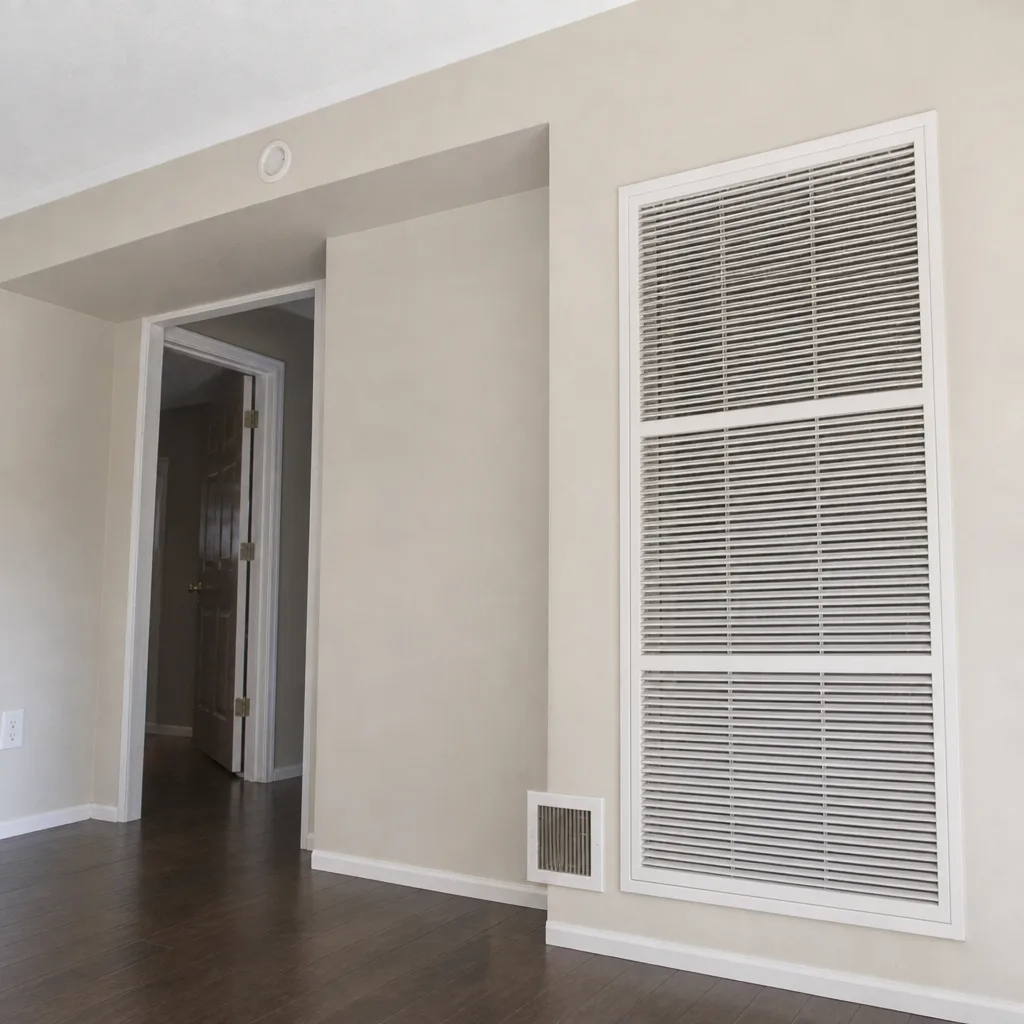 After
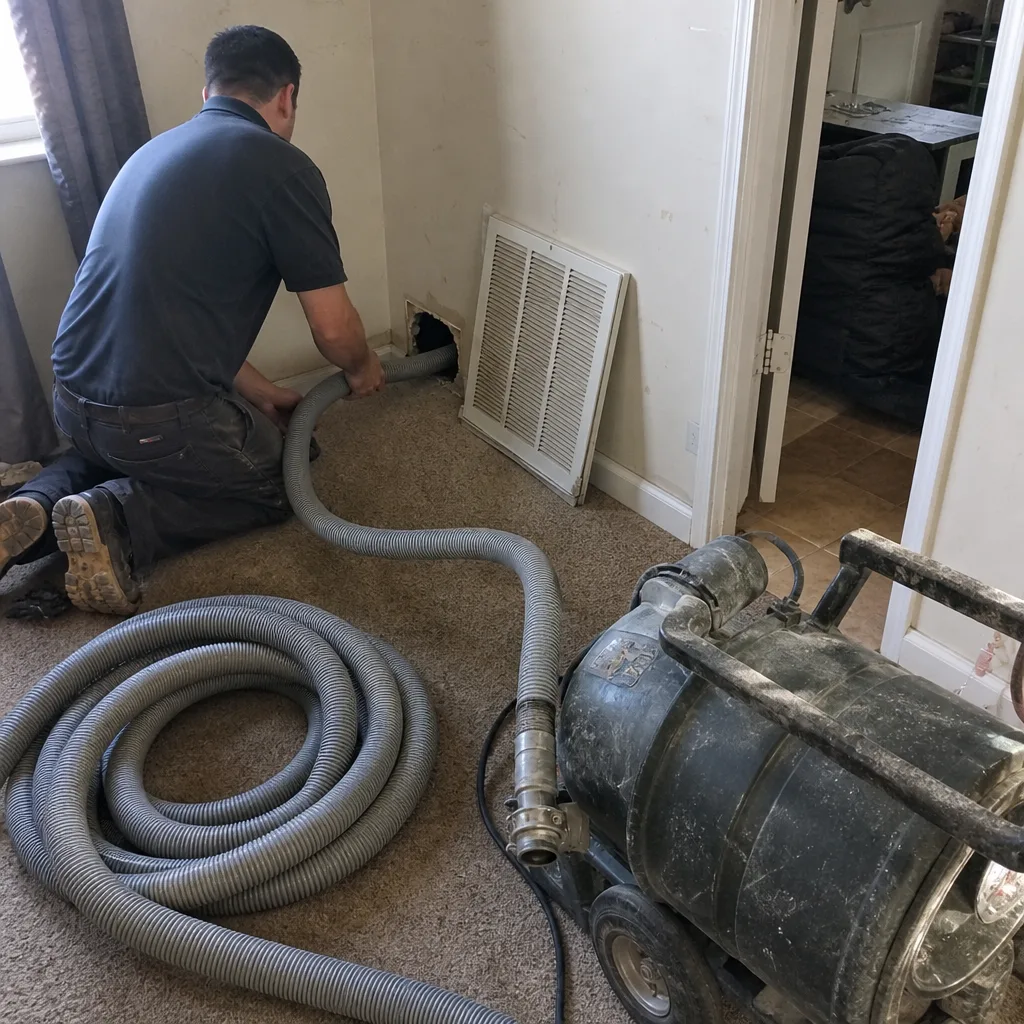 Before
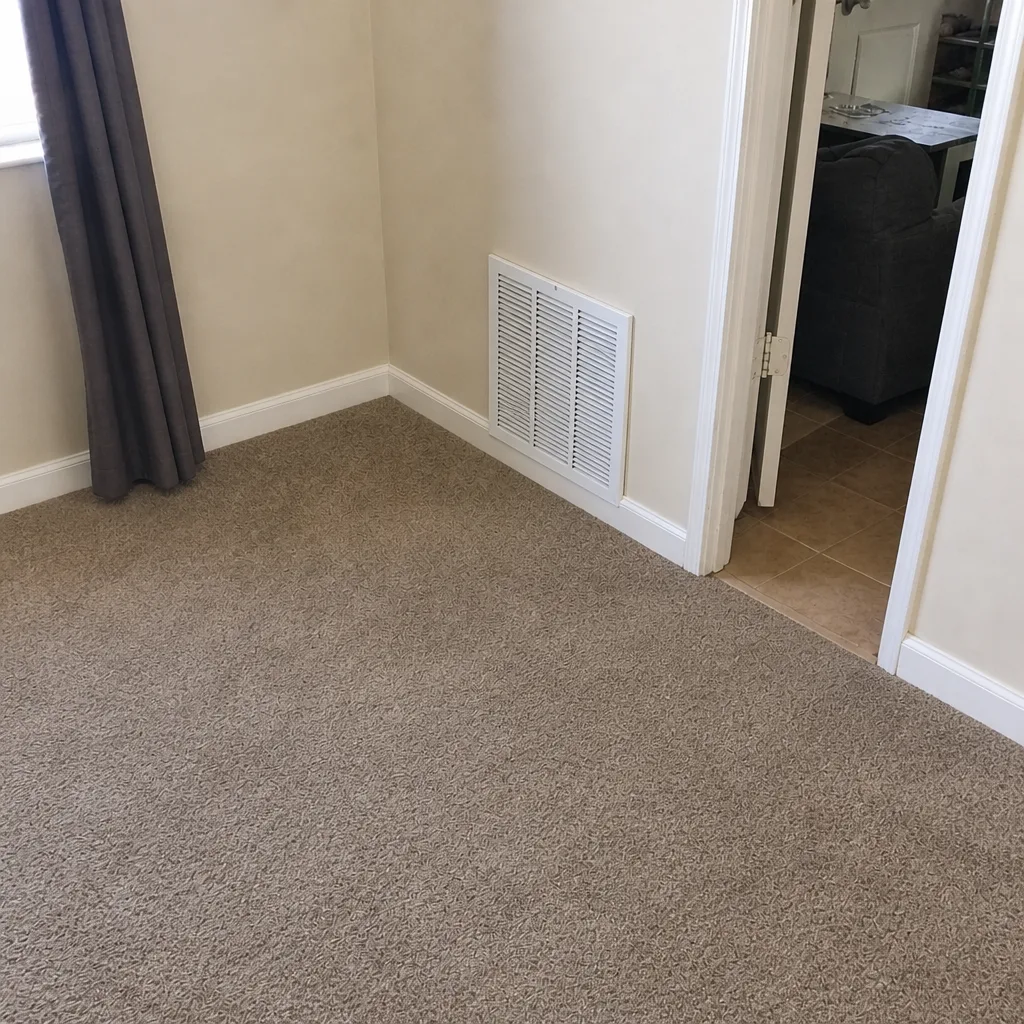 After
Frequently Asked Questions
No. Air duct cleaning by itself is maintenance and doesn’t require a permit in Joliet or anywhere in Illinois. A permit comes into play when the work changes the duct system’s construction: replacing duct sections, cutting new openings, rerouting a dryer vent, or modifying a plenum. If you’re not sure which category your job falls into, ask the City of Joliet Building Division directly, and get your contractor’s answer in writing too. Call (833) 734-7685 for a free estimate that breaks the two categories apart.
It depends on how the sealing is done. Sealing joints in place without removing or modifying duct sections is usually treated as maintenance. Removing and reinstalling duct sections to seal them properly, or sealing a plenum that’s being replaced, typically crosses into permitted work. The practical test is whether the duct system’s construction is being altered, not whether the word “sealing” appears on the invoice. Call (833) 734-7685 for an estimate that separates cleaning from repair.
Rerouting a dryer exhaust through a wall or to a new termination point is a modification to the building’s exhaust path, and in most Will County jurisdictions it’s a permitted alteration that should be inspected. Unpermitted rerouting can create problems at insurance-claim time and at resale. If a contractor proposes rerouting, ask directly whether a permit applies and who is pulling it. Call (833) 734-7685 if you need the current vent routed correctly and documented.
Nothing catastrophic in most cases, but it usually becomes a negotiating item. A buyer’s home inspector will note duct modifications that don’t match the home’s records, and the buyer will ask for documentation the seller typically doesn’t have. The cleanest path is to have the system inspected and documented before listing, so you know what’s there and can speak to it directly. Call (833) 734-7685 to schedule a cleaning and inspection that gives you written documentation of the system’s condition.
Get a written scope before work starts, before-and-after photos of your own ducts, a statement of what equipment is being used, and a final invoice that matches the estimate exactly. If the contractor finds damage during cleaning, ask for it to be documented in writing and photographed before any repair is discussed. One flat price per system, agreed before work starts, is the number to hold them to. Call (833) 734-7685 for a free estimate built on that standard.
Long heating seasons and large humidity swings between summer and winter put more stress on duct systems than milder climates do. That doesn’t create permit issues by itself, but it does mean duct problems in Joliet homes tend to surface as repairs rather than just cleanliness issues. A system that runs hard through the winter shows its failing joints and disconnected runs quickly. Call (833) 734-7685 to find out what condition your system is actually in before the next heating season.
The Bottom Line
Air duct cleaning in Joliet doesn’t need a permit. Duct repair usually does. That one distinction covers most of what homeowners need to know about Illinois mechanical code, City of Joliet Building Division requirements, and HVAC inspections, and it’s also the distinction that gets skipped when a contractor hands over a single flat number without breaking the job into its parts. Ask which portion of the estimate is cleaning and which portion is modification. Get the scope in writing. Keep before-and-after photos of your own system. If a repair is needed, make sure someone is documenting it properly, whether or not a permit applies. We clean it, and if we find damage, we repair it on the same visit, so there’s no gap between the finding and the fix. Call (833) 734-7685 for a free estimate and a straight answer about what your job actually involves.
Related Reading in Joliet
If you’re starting from the beginning, our main Joliet page covers what we do across the city. For the full service lineup, Duct Cleaning Joliet lays out Air Duct Cleaning, Dryer Vent Cleaning, and Air Duct Repair and how they fit together on a single visit.
Written by the team at Duct Cleaning Joliet.