
Last updated November 15, 2026
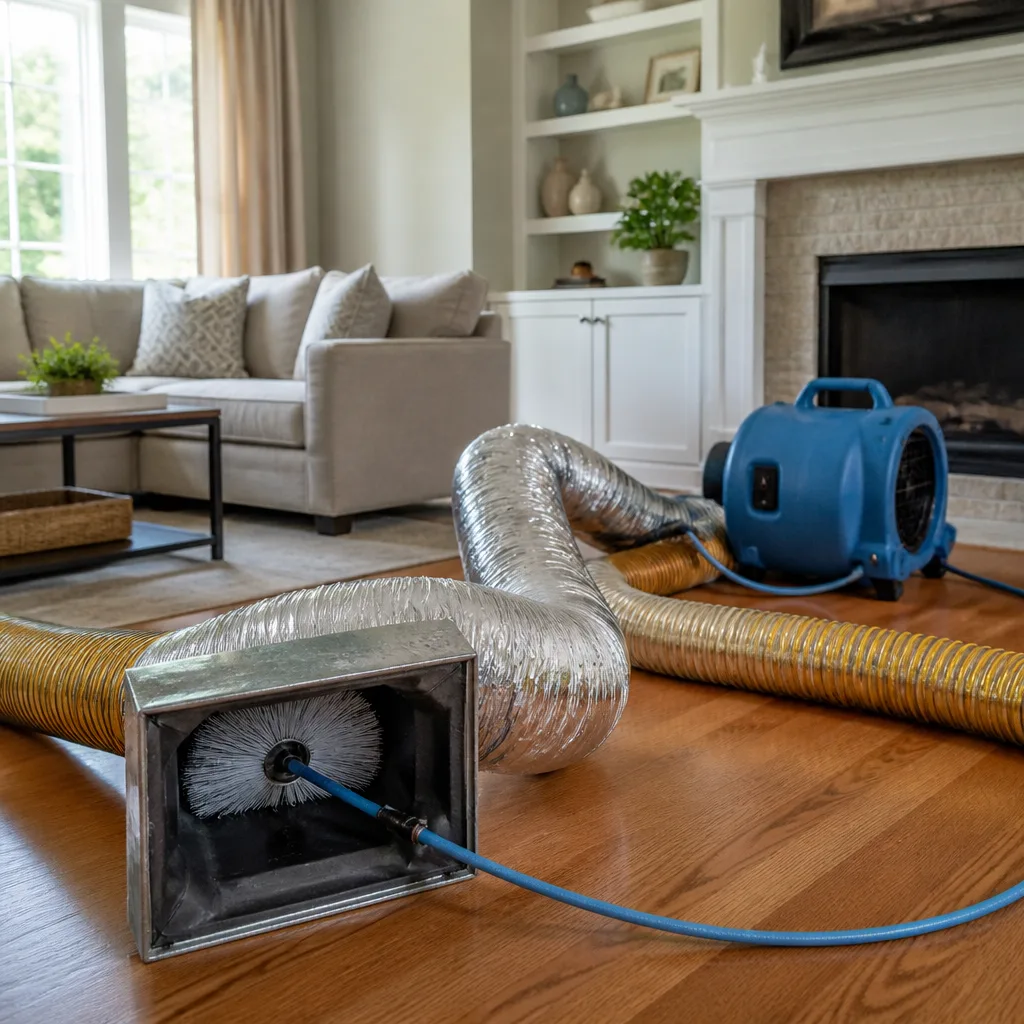 Whole-home duct cleaning
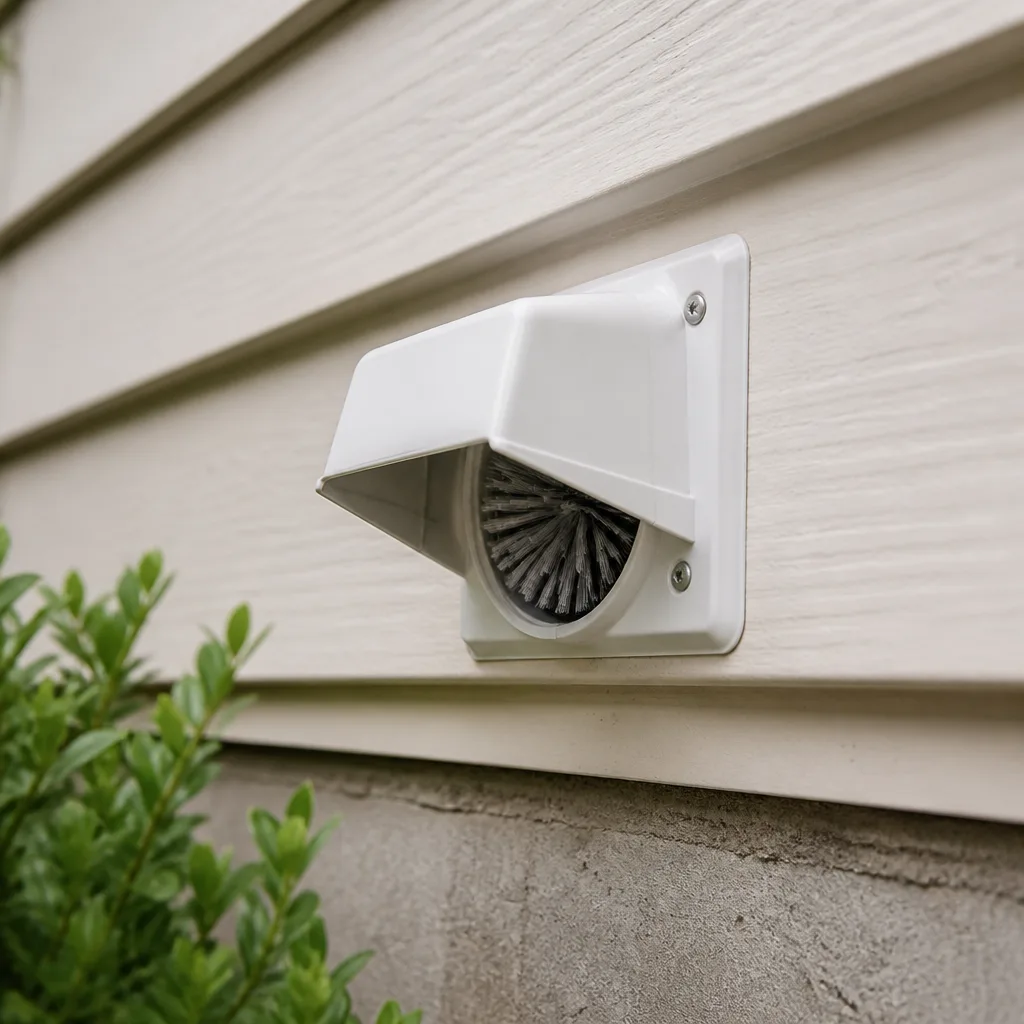 Dryer vent cleaning
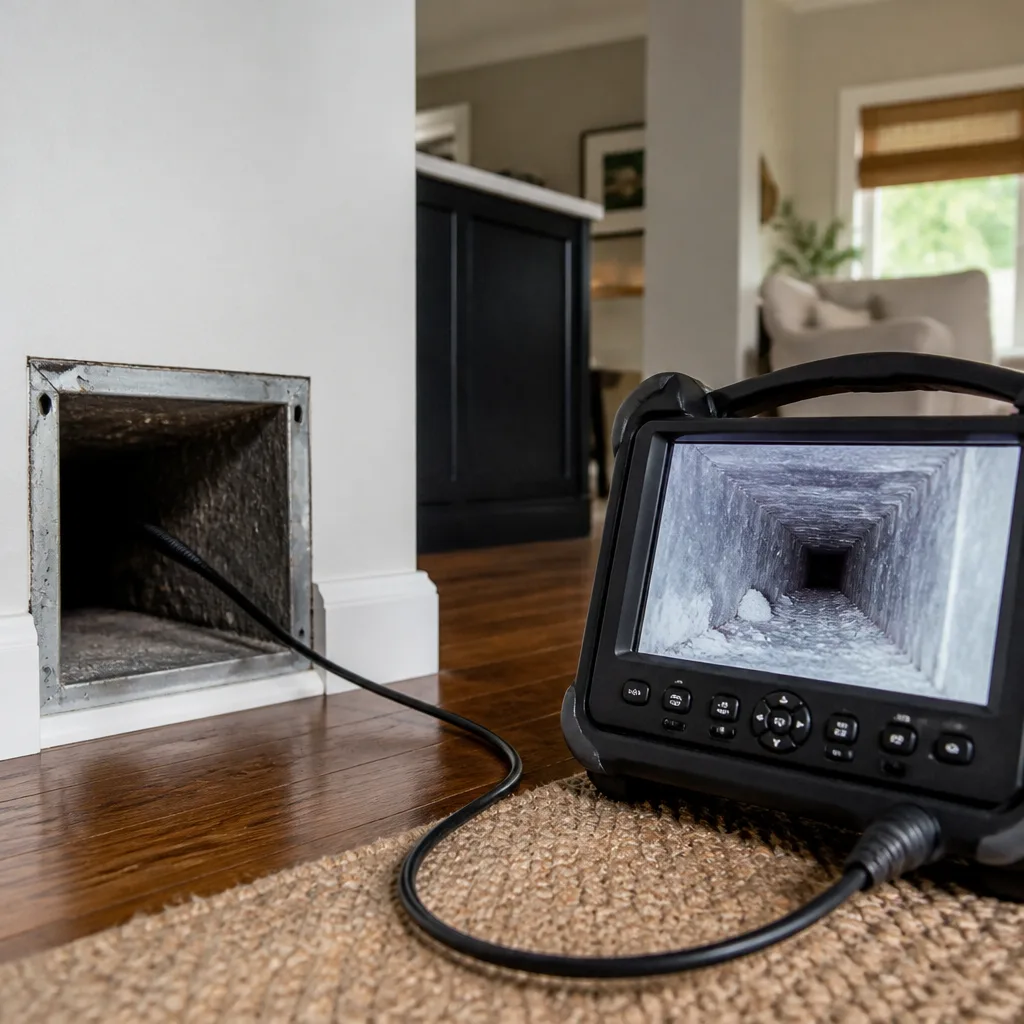 Camera inspection
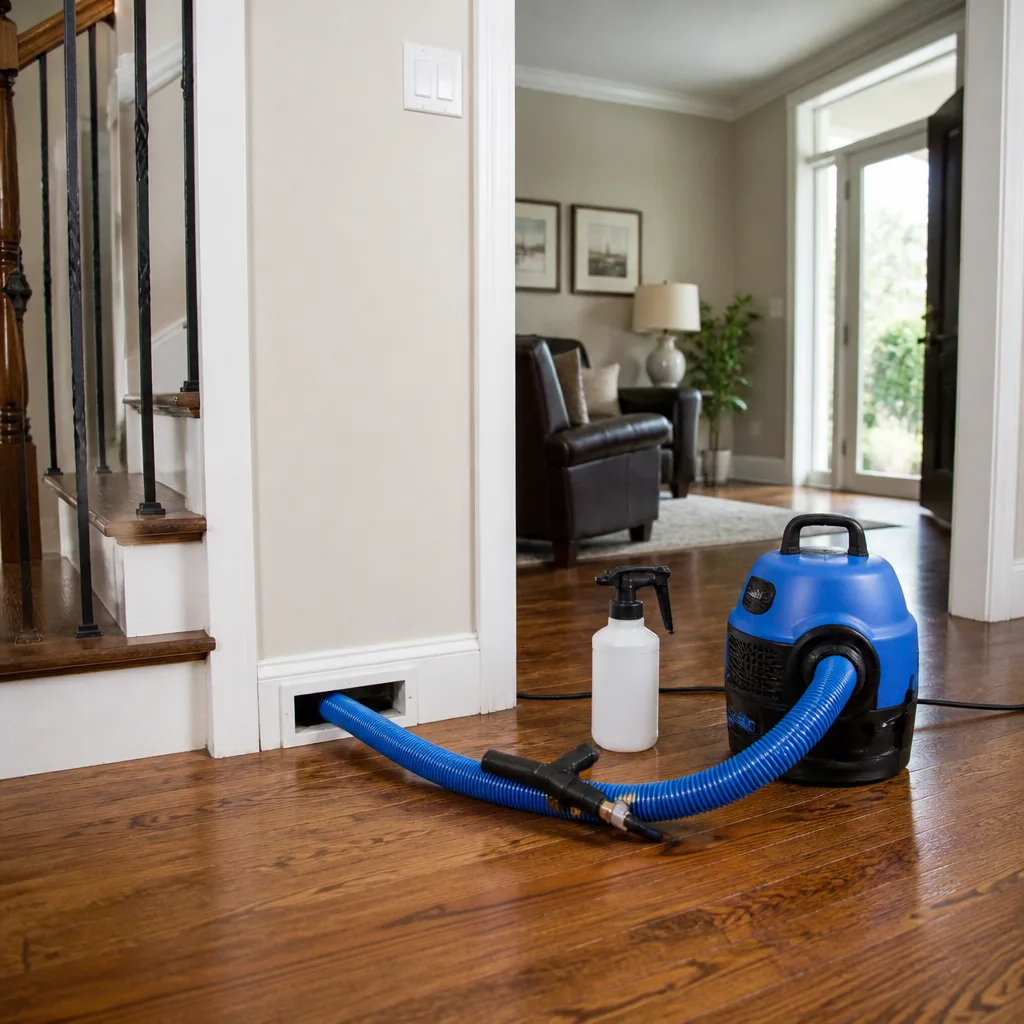 Sanitizing & deodorizing
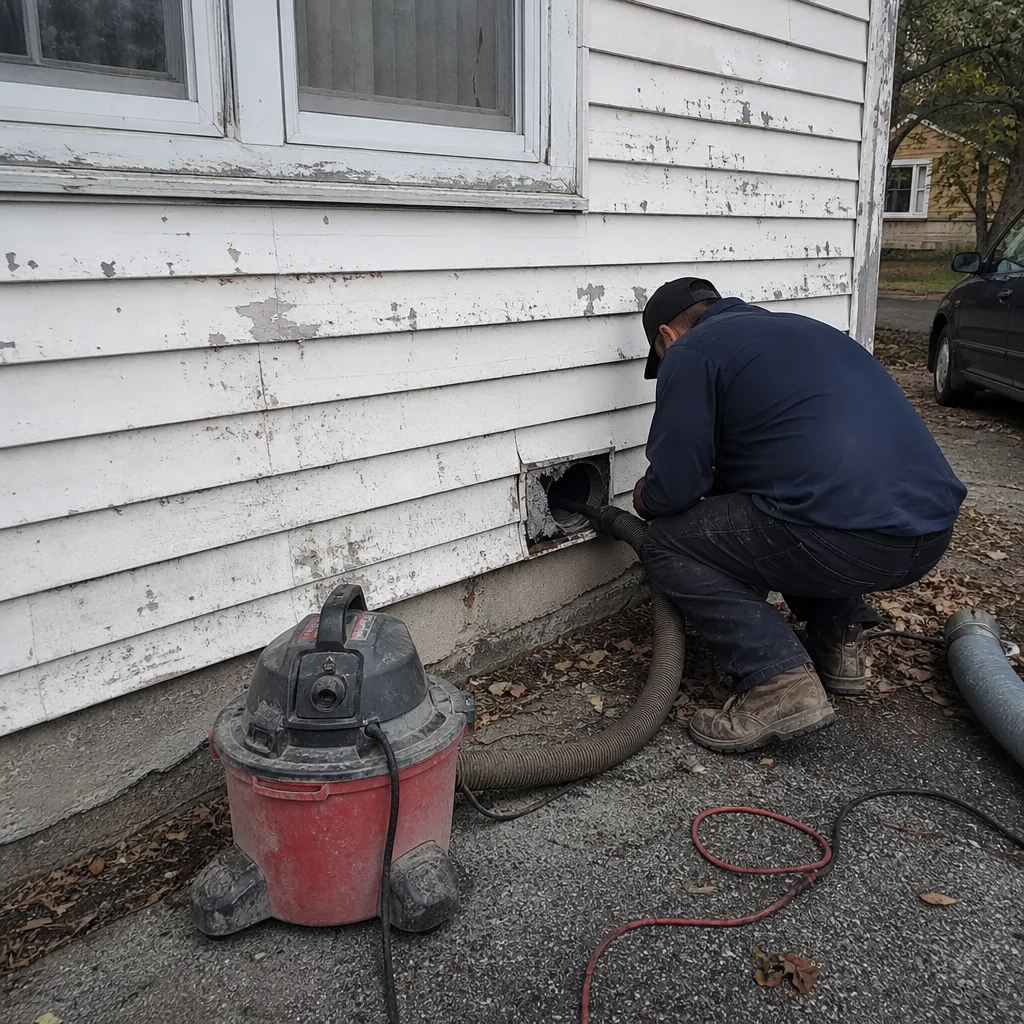
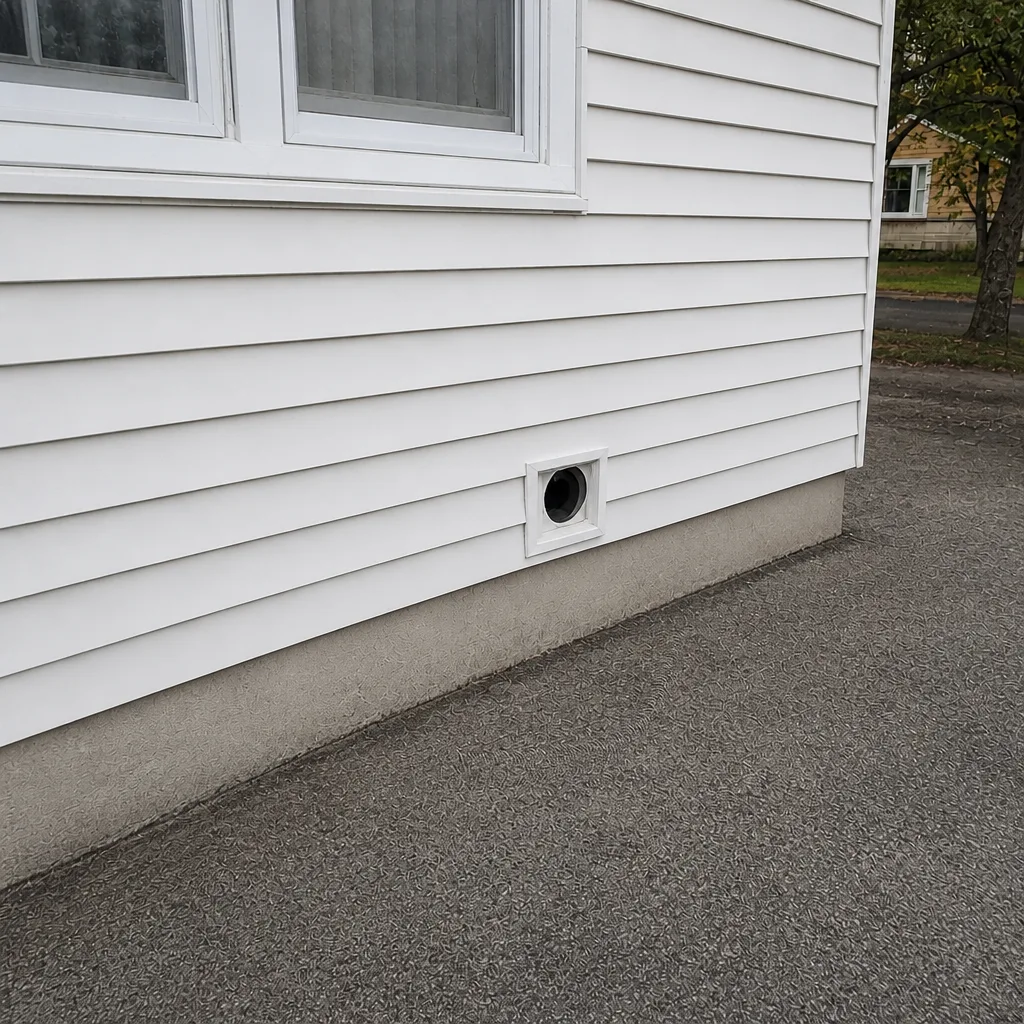
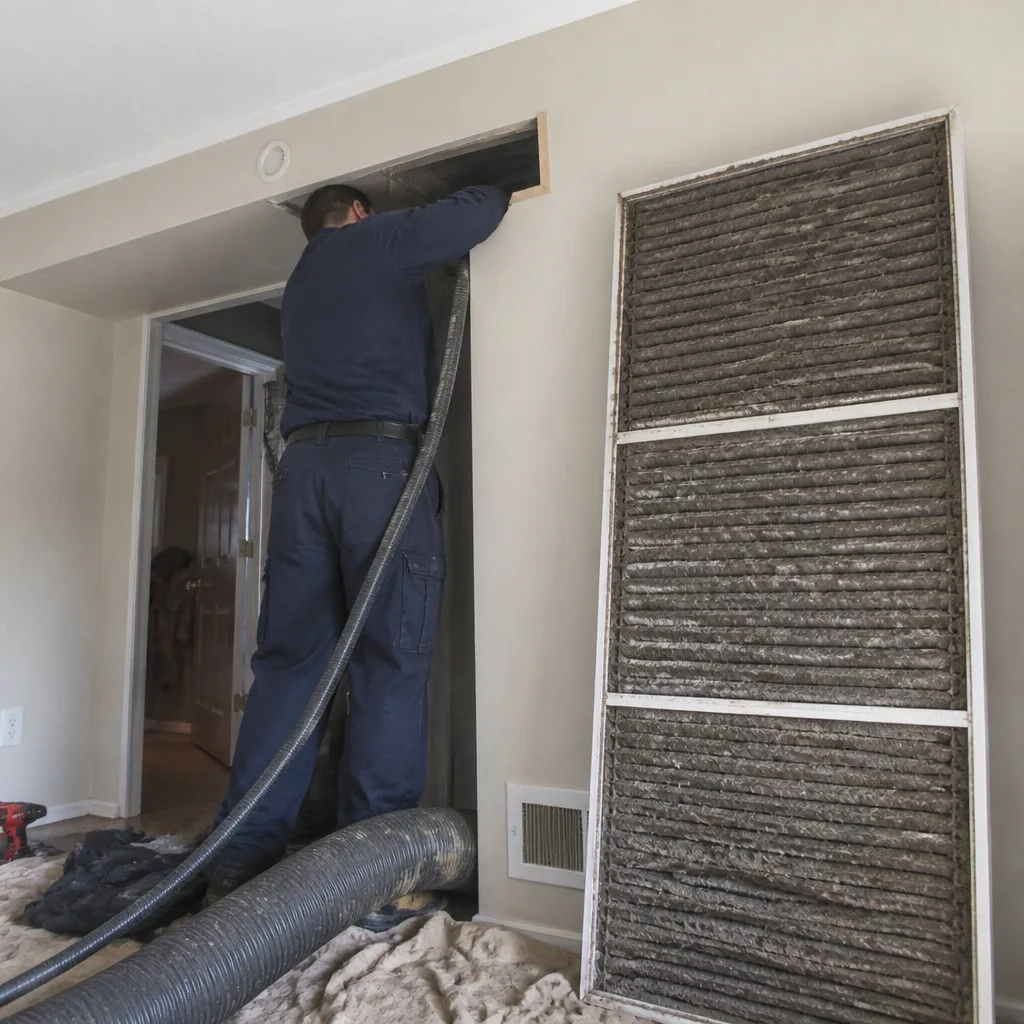
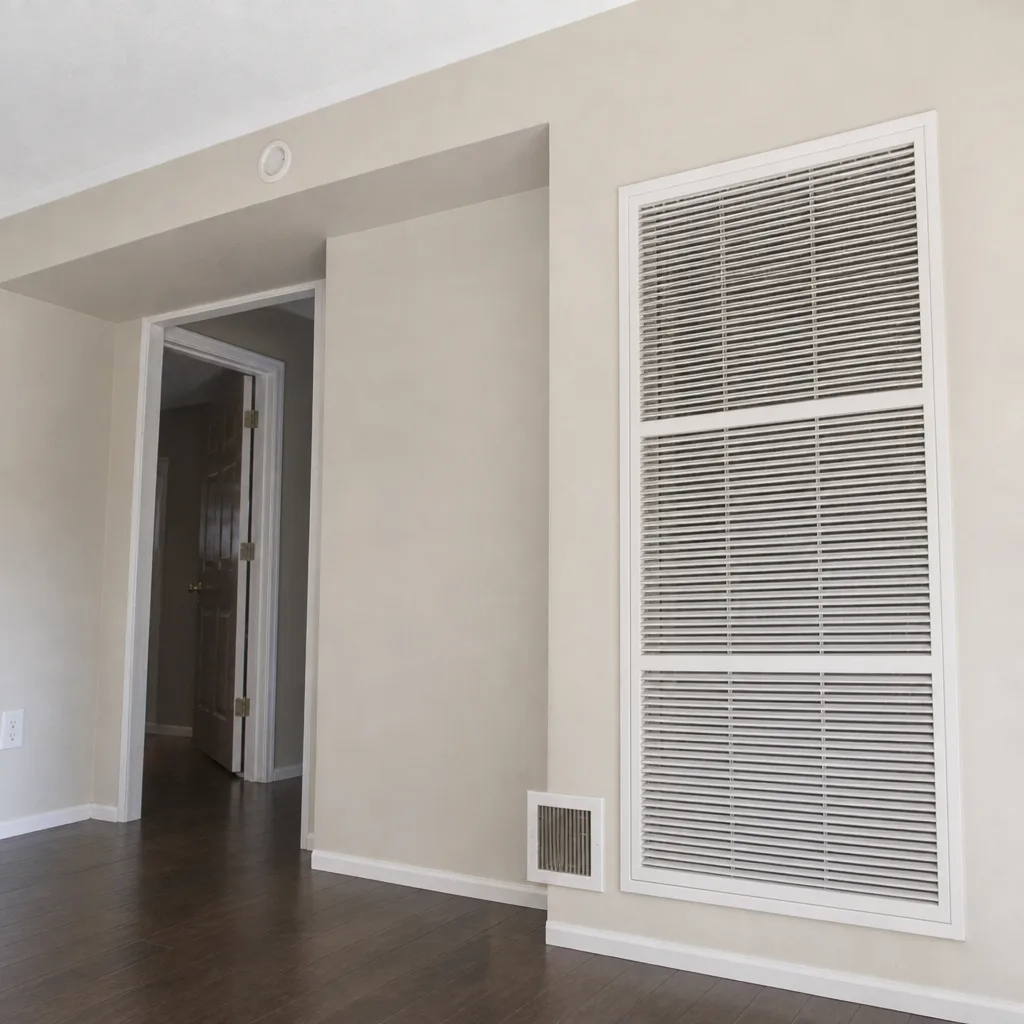
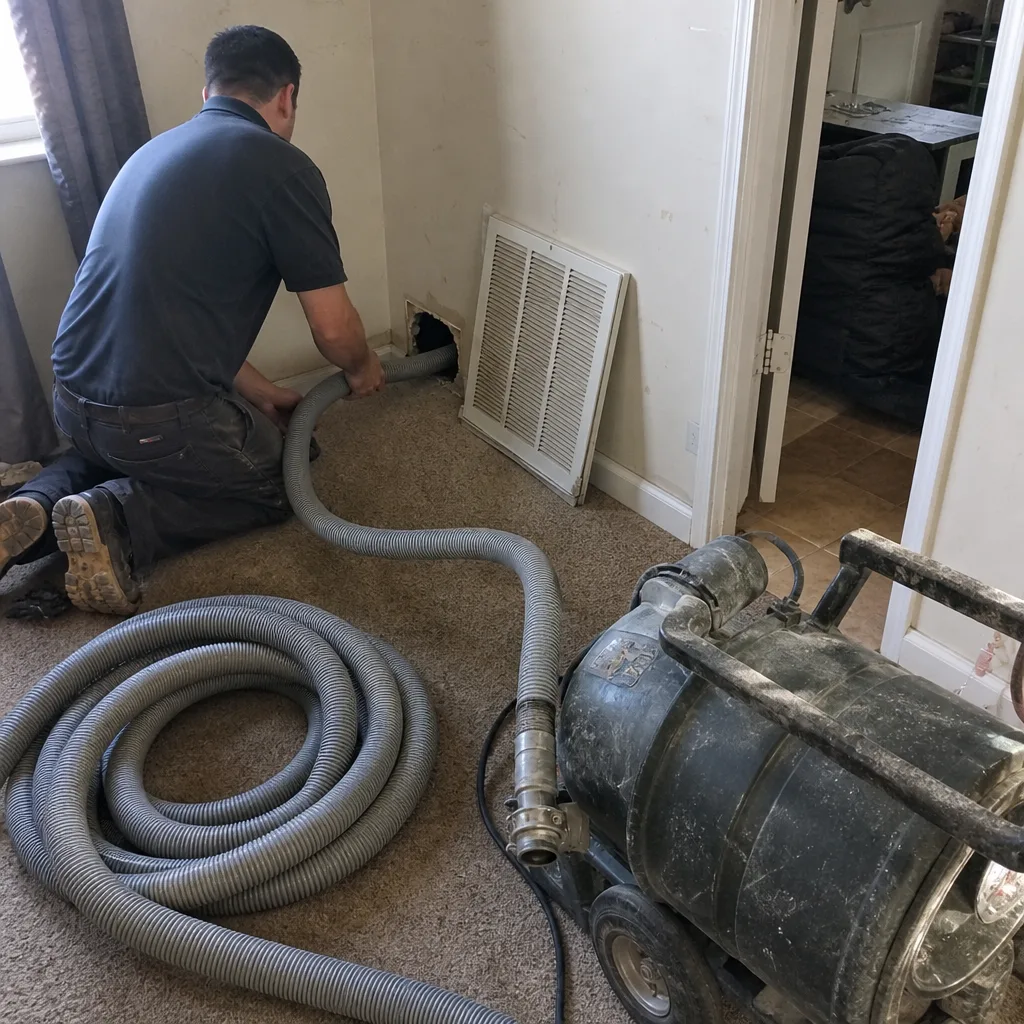
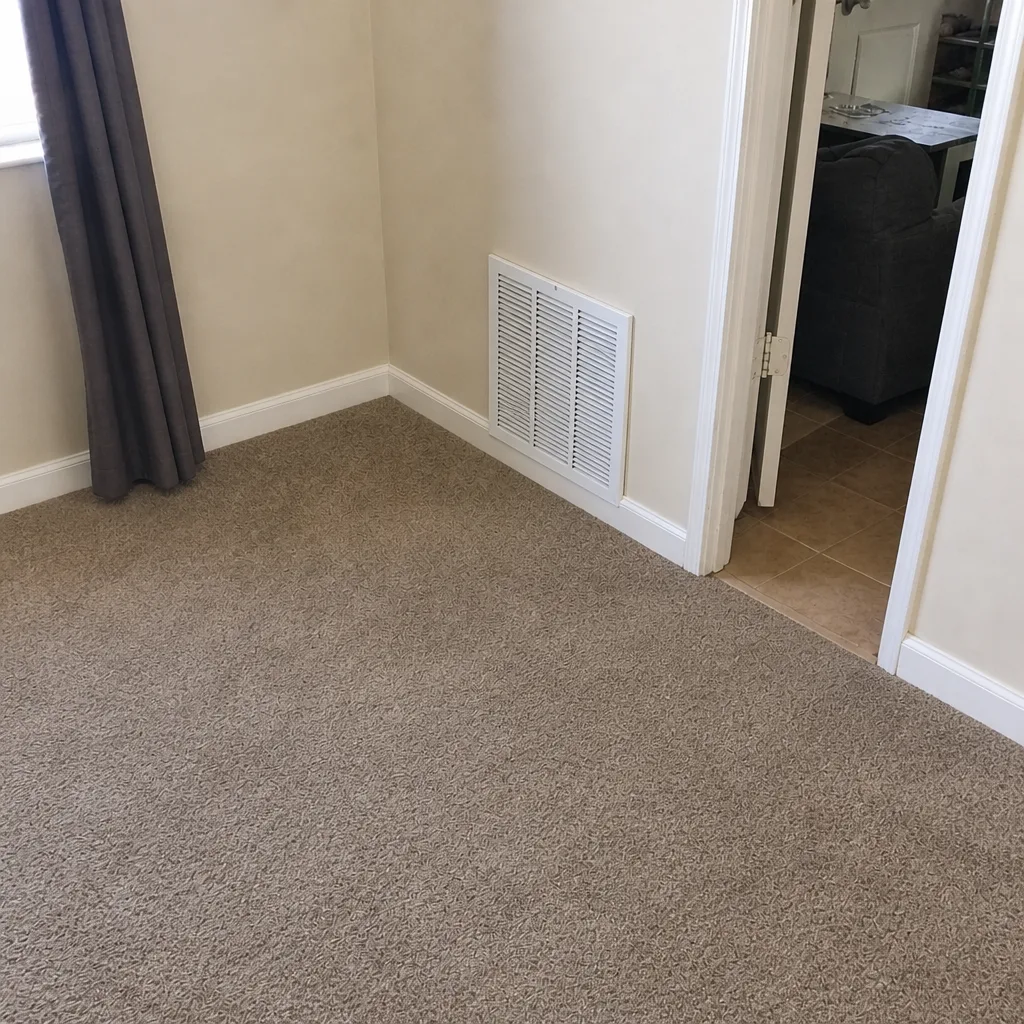
Whole-system duct and dryer vent check with before-and-after photos - you see exactly what came out of your vents
That "$99 whole-house special" is a bait ad - the real number appears once they are in your hallway, or the "clean" is a shop-vac at the register. We photograph the inside of your ducts before and after instead.
Air Duct Cleaning Warning Signs: A Joliet Homeowner’s Reference Guide
A musty odor drifting from your vents isn’t automatically a duct problem. It could be a condensate drain pan overflowing into your air handler, and no amount of duct cleaning will touch it. That single fact explains why so many Joliet homeowners call for the wrong service and stay frustrated after the work is done. The signs your duct system gives off are diagnostic, not decorative. Each one points toward a specific mechanical cause with a specific fix. This guide teaches you to read those signs accurately: black dust rings versus gray packing dust, room-to-room airflow asymmetry that signals a disconnection rather than debris, four distinct odor categories, and the dryer vent signals that get misread as electrical or HVAC failures. By the end you’ll know which call to make and when to make it.
Quick Answer
Air duct cleaning warning signs in a Joliet home fall into four groups: visible dust patterns around registers, uneven airflow between rooms, odors that return after cleaning, and rising allergy symptoms tied to a recent event like a renovation or a new pet. The pattern matters more than any single sign. Black dust rings at the supply registers point to infiltration or filtration gaps, while gray fibrous dust usually means the ducts themselves are shedding material or the blower is pulling debris from an unsealed return. When a sign appears together with a mechanical symptom (weak airflow in one room, a whistle at a register, a burning smell), the fix is often duct repair rather than cleaning. Getting that distinction right saves Joliet homeowners from paying for a cleaning that solves nothing.
Styles & brands we work with
- Whole-home duct cleaning
- Dryer vent cleaning
- Camera inspection
- Sanitizing & deodorizing
Table of Contents
- What Your Registers Are Telling You: Black Rings vs. Gray Dust
- Airflow Asymmetry: Reading Room-to-Room Pressure Differences
- Four Odors, Four Different Problems
- Rising Allergy Symptoms: When They Correlate With a Duct Event
- Dryer Vent Warning Signs Most Homeowners Misread
- How Joliet’s Heating and Cooling Cycle Shows Up in Your Ducts
- What a Proper Inspection Actually Involves
- Cleaning vs. Repair: Which One the Sign Points To
What Your Registers Are Telling You: Black Rings vs. Gray Dust
Pull a supply register cover off and shine a light into the boot. The color of the dust on the damper and the first few feet of duct is a diagnostic clue, and it’s the one most Joliet homeowners never look at.
Black dust rings around the register frame or on the ceiling near the grille. This is dark, greasy-feeling soiling that accumulates in a ring shape. It usually means unfiltered air is being pulled through a gap between the duct boot and the drywall, or that the return path is depressurizing the room and drawing attic or wall-cavity air in through every seam. In Joliet homes, this turns up most often where a duct run passes through an unconditioned attic. The fix isn’t a deeper cleaning; it’s sealing the boot to the drywall and closing the envelope gap. Cleaning a duct that’s still drawing dirty air just restarts the clock.
Gray, fibrous, or packing-type dust. This looks like lint or attic insulation rather than soot. It points to one of two sources: the duct liner or flex duct interior breaking down and shedding, or the blower pulling loose insulation fibers from a disconnected or torn return. On older flex duct in Joliet, the inner liner can delaminate after years of expansion and contraction. No rotary brush will repair a torn liner. What it will do is identify it, which is why air duct cleaning paired with an honest repair assessment is worth more than a vacuum-only visit.
Rust streaks or water staining near a register. That’s moisture, not dust. It usually traces back to a sweating duct in a humid summer, a coil pan issue, or condensate leaking into the duct chase. Cleaning won’t stop the source.
- Black ring, greasy feel: envelope or boot-gap infiltration, seal first
- Gray fibrous dust: liner breakdown or disconnected return, inspect and repair
- Rust or water stain: condensate or sweating duct, fix the moisture source
- Uniform light gray dust on the grille face only: normal house dust, cleaning is reasonable
If you’re unsure which one you’re looking at, save a photo of the register and the boot. A technician can usually sort the category from that alone before ever arriving.
Airflow Asymmetry: Reading Room-to-Room Pressure Differences
Weak airflow in one room and strong airflow in another is a warning sign that rarely gets called what it is: a duct problem, not a dust problem. Debris buildup is almost never room-specific. When one room underperforms while the rest of the house is fine, you’re usually looking at a collapsed flex run, a disconnected joint, or a damper stuck closed.
You can do a rough pressure test in your Joliet home without instruments. Here’s how:
- Set the thermostat to fan-only so the blower runs continuously with no heating or cooling.
- Hold a single square of tissue paper against each supply register with the same grip and the same distance.
- Note which registers hold the tissue flat and which let it droop or flutter. Those are your weak runs.
- Walk the same loop with a second piece of tissue at the return grilles and confirm the return isn’t the bottleneck.
- Write down the results room by room and check again after a filter change, so you rule out a loaded filter before assuming a duct failure.
If a room that used to feel fine has gone weak, that change is the strongest signal of all. Flex duct that was stretched too tight during installation can collapse years later; a joint taped with cheap mastic can separate. In Joliet homes with long attic runs, the summer heat makes flex duct droop and the winter cycle stiffens it, so a marginal joint can let go after a few seasonal swings. No amount of cleaning restores airflow to a duct that’s physically disconnected. What’s called for is Duct Cleaning Joliet with a technician who can also diagnose and repair the run.
One caution: if the weak room is the farthest run and it’s always been weak, it may be a design issue (undersized duct, poor trunk takeoff), not a failure. Cleaning won’t fix that either. It’s worth knowing which problem you have before you spend money.
Four Odors, Four Different Problems
Odor is the sign Joliet homeowners describe most often and diagnose least accurately. Four distinct smells point to four distinct problems, and each has a different resolution path.
Burning or hot-plastic smell
If you smell something burning when the heat or the blower kicks on, shut the system down and have it checked. A burning odor can come from a failing blower motor, an overheating element, or a foreign object touching a heat source inside the air handler. This is a safety issue, not a cleaning issue. A trained technician should be the one to open the unit.
Musty or damp-earth smell
Musty air coming from the vents usually says moisture, and moisture is often upstream of the ducts themselves: a condensate pan overflowing into the air handler, a wet coil, or a damp return chase. In Joliet, this shows up most in summer, when the AC runs hard and pulls humid air across a cold coil. Cleaning the ducts won’t stop the smell if the pan or coil is the source.
Chemical or solvent smell
A sharp chemical odor may be off-gassing from new building materials, paint, flooring adhesive, or a cleaning product used near a return. In older Joliet homes, it can also point to a return duct pulling air from an unconditioned space where stored chemicals sit. Identify the source before assuming the ducts are the problem.
Animal or dead-animal smell
This one is unfortunately common in homes near Joliet’s wooded edges and older neighborhoods with gaps at the foundation or roof line. Rodents and birds find their way into duct chases and return plenums. Cleaning alone often only disturbs the source. What’s needed is locating and removing it, sealing the entry point, and then a proper sanitizing and cleaning pass. We keep Abatement Technologies containment equipment on hand for exactly this kind of contaminant job.
Rising Allergy Symptoms: When They Correlate With a Duct Event
Allergy symptoms that worsen over months mean almost nothing on their own. What matters is the timing. When rising symptoms track a specific duct system event, the correlation is the diagnostic clue.
Look for these pairings:
- Recent renovation – sawdust, drywall dust, and insulation fibers get pulled into returns and settle in duct runs. Symptoms spike two to four weeks after the work finishes.
- New pet – dander loads the return air and the blower. The house smells fine to the pet owner and unbearable to a guest, which is why an outside nose is useful.
- Recent HVAC service – a technician who opened the air handler or adjusted a duct fitting can leave a joint loose. Symptoms appear alongside a small airflow change.
- New carpet, flooring, or upholstery – fibers and adhesive off-gassing load the return air for weeks.
- Seasonal pollen spike – this one is usually unrelated to the ducts, and cleaning won’t solve it because the pollen enters through windows and doors, not the vents.
The distinction matters for a Joliet homeowner deciding what to spend money on. Allergy symptoms unrelated to a duct event rarely improve much after cleaning. Symptoms tied to a renovation or a loose return usually improve noticeably. Before calling, write down when symptoms started and what changed in the house around that time. It’s the single most useful piece of information you can hand a technician.
Dryer Vent Warning Signs Most Homeowners Misread
Dryer vent blockage is routinely misread as an HVAC problem, an appliance failure, or an electrical issue. That confusion costs Joliet homeowners time and, in the worst cases, safety.
The signals that point to a clogged dryer vent, in order of how often they’re mistaken for something else:
- Clothes take two cycles to dry. Homeowners often blame the dryer’s heating element. A blocked vent is more common.
- The dryer cabinet feels hot to the touch. Trapped heat is a symptom of restricted airflow, not a strong dryer.
- Lint escapes from the vent hood outside or collects around the dryer base. Lint should be exiting outdoors. If it isn’t, the vent is backing up.
- A burning smell in the laundry area. This is the one that gets misread as an electrical fault. Lint accumulation near the heat source is a leading cause of residential structure fires, and a burning smell is the warning that precedes it.
- The vent flap outside doesn’t open when the dryer runs. Go outside while the dryer is on and watch. If the flap stays still, airflow is severely restricted.
Dryer vent blockage is a fire-safety problem, and we treat dryer vent cleaning as a safety service for exactly that reason, not an air-quality add-on. If you’ve been blaming a heating element or an electrical problem, watch the outside flap instead. It’s the cheapest test you can run and it’s the one that gives the answer.
How Joliet’s Heating and Cooling Cycle Shows Up in Your Ducts
Joliet gets real winters and humid summers, and the swing between them puts ductwork under stress. A few of the signs Joliet homeowners notice most often come straight from that cycle.
In the heating season, the ducts carry warm, dry air. You’ll notice dust from black rings and gray shedding more clearly because dry air carries fine particles longer and static holds them to grilles. In the cooling season, the same ducts carry cold air and the coil acts as a dehumidifier. A musty smell that appears only on the AC side, and disappears the moment you switch to heat, is almost always moisture at the coil or pan rather than contamination in the ducts.
Seasonal swing also shows up on flex duct in attics and crawlspaces. The duct that droops in July stiffens in January, and a joint with marginal tape from the original installation can let go after enough of those swings. If your airflow problem appeared after a season change, that’s the most likely explanation.
One more pattern worth knowing: a home that’s humid in summer will show dust staining at registers faster than a dry home, because moisture makes dust stick to the grille face. That doesn’t mean the ducts are dirty. It means they’re living in Joliet weather.
What a Proper Inspection Actually Involves
The best warning-sign diagnostic tool you have is an inspection, and the word gets abused. A proper inspection should include the following:
- A visual look inside the supply and return runs, done with a camera or a mirror and light, not just a look at the grille face.
- A check of every register and return for airflow, dust pattern, and mount integrity – boot-to-drywall seal, damper position, and any sign of moisture.
- An inspection of the air handler for coil condition, condensate pan overflow, and filter fit.
- A look at the return plenum and any connection into an unconditioned space, since that’s where gray packing dust and animal smell usually originate.
- An inspection of the dryer vent from dryer to exterior termination if you’ve reported dryer symptoms.
A technician with the right equipment will bring a camera and be able to show you what they see. We use Rotobrush rotary brush systems and Nikro HEPA-rated vacuum equipment because the combination gives us vision and capture on the same visit, which is the difference between an inspection and a guess. If you’ve ever paid for a cleaning done with a consumer-grade vacuum or a low-powered rig, the difference comes down to how much particulate actually gets captured versus stirred into the air.
Ask the technician to show you the register pattern they found, the duct connection condition, and the coil. If they can’t, you haven’t gotten an inspection.
Cleaning vs. Repair: Which One the Sign Points To
The whole point of reading warning signs is to match them to the right service. Here’s how the categories sort out.
Cleaning is the right call when: the dust is uniform across rooms, no airflow asymmetry exists, odor is absent or mild and consistent with stale air, and the inspection shows intact duct connections. A renovation-dust cleanup, a pet-dander load, or routine accumulation all fit here.
Repair is the right call when: airflow is asymmetric, a register whistles, a run is visible sagging in the attic, gray packing dust appears at one or two registers only, or an inspection shows a disconnected joint, torn liner, or collapsed flex run. Cleaning a duct that’s physically broken is wasted effort. We offer Air Duct Repair on the same visit as cleaning precisely so this doesn’t become a handoff problem between two contractors who never speak to each other.
Neither cleaning nor repair is the right call when: the source is upstream of the ducts. Condensate overflow, a failing blower, a burning smell, or a compromised electrical component in the air handler needs a technician in the unit, not in the ducts.
If your Joliet home has a Honeywell or Aprilaire whole-home filtration system, the inspection should also include a check of the filter media and housing. Debris in the duct won’t get caught by a filter that’s bypassing air around a poorly fitted media. Our technicians have up to 15 years of experience and are familiar with the way these filtration systems integrate with ductwork, which means the cleaning is built to work with your filtration system rather than around it.
Common Mistakes to Avoid
- Hiring on price alone. The lowest quote usually means the smallest equipment. A rig that can’t move enough air won’t capture what it disturbs, and you’ll be paying for a second cleaning later.
- Treating a musty smell as a duct problem first. Rule out the condensate pan and coil before spending money on duct cleaning in a Joliet summer home. Musty air from an overflowing pan won’t improve with any amount of cleaning.
- Ignoring one weak room. A room that used to be fine and now isn’t is the clearest warning sign of a duct failure. Don’t assume a filter change will solve it.
- Blaming the dryer’s heating element. Two-cycle drying, a hot cabinet, and a burning smell in the laundry area are dryer vent signals. Watch the outside flap before replacing parts.
- Skipping the register boot during cleaning. Vacuuming the duct but leaving a boot-to-drywall gap in place means the same dirty air starts re-entering the day after the cleaning.
- Calling on a corner-cutting schedule. Cleanings done after a long day of jobs and without a camera rarely reveal the mechanical issue underneath. Ask what the technician will be able to show you at the end, and expect a proper photo record.
- Assuming newer construction means clean ducts. New builds in and around Joliet often have construction dust, insulation fibers, and drywall debris in the runs from day one. A new house isn’t a clean-duct house.
See the difference
 Before
 After
 Before
 After
 Before
 After
When to Call a Professional
Call when a warning sign shows a pattern rather than a single moment. One dusty register is normal. Black rings on multiple grilles, one room that’s gone weak, a musty smell that returns every summer, or a burning smell anywhere near the laundry area all deserve an inspection. For a burning smell, shut the system down first and treat it as urgent. For dryer vent symptoms, treat them as a fire-safety concern and get them cleared. If you’re in doubt about which service the sign points to, describe what you’ve noticed and we’ll tell you which one to book. Duct Cleaning Joliet offers free estimates in Joliet – call (833) 734-7685. We answer 24/7. Fast dispatch from 7am to 7pm, Sunday through Friday.
Frequently Asked Questions
Whole-home duct cleaning in the Joliet area typically runs within a range set per home, based on the number of systems, the number of registers and returns, and whether the inspection uncovers a repair. The final price is set by a free written estimate before work starts, and that’s the whole point. We quote one flat price per system, not per vent, and never a teaser coupon figure that turns into a bigger invoice once a technician is on site. If you want an exact number, an estimate is the honest way to get it. Call (833) 734-7685 for a free estimate – it’s the only way to know what your home needs.
Not always. Black rings often trace to unfiltered air entering at a boot gap or an unsealed return, not to debris in the ducts themselves. Cleaning the duct without sealing the gap means the ring comes back within a season. Gray fibrous dust is more often a duct-material or disconnection issue. Either way, an inspection before a cleaning is the right sequence, because the wrong service solved the wrong problem.
Equipment is the main difference. A cleaning done with a consumer-grade vacuum or an underpowered rig can’t capture the fine particulate that a contractor-grade rotary brush and HEPA vacuum can, so the low quote often covers a shallower job. Ask what equipment the company brings and whether an inspection is included. If neither question gets a clear answer, the price is telling you which job you’re getting.
You should see before-and-after photos of your own ducts, not stock images. The technician should be able to show you the register pattern found at inspection, the duct connections checked, and the coil condition. If photos aren’t part of the visit, ask why. Our cleaning is done with Rotobrush rotary brushes and Nikro HEPA suction, and the before-and-after record of your own system is part of what we hand back at the end.
There isn’t one schedule that fits every home. In a Joliet house with pets, allergy sufferers, recent renovation, or a new build with construction dust, it’s usually worth doing sooner. In a home with no symptoms and clean registers, routine cleaning on a set schedule is a lower priority than getting the machine and the ducts inspected when a warning sign appears. Let the signs drive the timing, not a calendar.
A burning smell means shut the system down and treat it as urgent. It’s not a cleaning issue; it’s a mechanical or fire-safety issue. From the vents, it can point to a blower motor, an overheating element, or debris near a heat source. In the laundry area, lint accumulation near the heat source is a leading cause of residential structure fires. Don’t run the equipment until a technician has looked at it. Call (833) 734-7685 and we’ll help you sort out which service to book.
The Bottom Line
Warning signs in a Joliet home’s duct system sort into four diagnostic groups: dust patterns (black rings vs. gray fibers), airflow asymmetry, four distinct odors, and rising allergy symptoms tied to a specific event. Each group points to a specific mechanical cause, and the right service is rarely the one the sign suggests at first glance. Black rings need sealing, not deeper cleaning. One weak room needs a duct repair, not a vacuum. A musty smell from a Joliet summer home usually needs a coil and pan check, not a duct technician. Dryer symptoms get misread as electrical problems more than any other sign in the home. Read the signs, run the tissue and outside-flap tests, get an inspection before booking, and match the service to what the sign actually points to. That’s the whole job.
If you’ve spotted a pattern and want a proper look, Duct Cleaning Joliet offers free estimates in Joliet – call (833) 734-7685. We answer 24/7. Fast dispatch from 7am to 7pm, Sunday through Friday. Our three services – air duct cleaning, dryer vent cleaning, and air duct repair – are all handled by the same team, so nothing gets handed off. Contractor-grade equipment, one flat price per system agreed before work starts, and before-and-after photos of your own ducts in your hand at the end. Licensed and insured. Insured and bonded.
Written by the team at Duct Cleaning Joliet.