
Last updated November 15, 2026
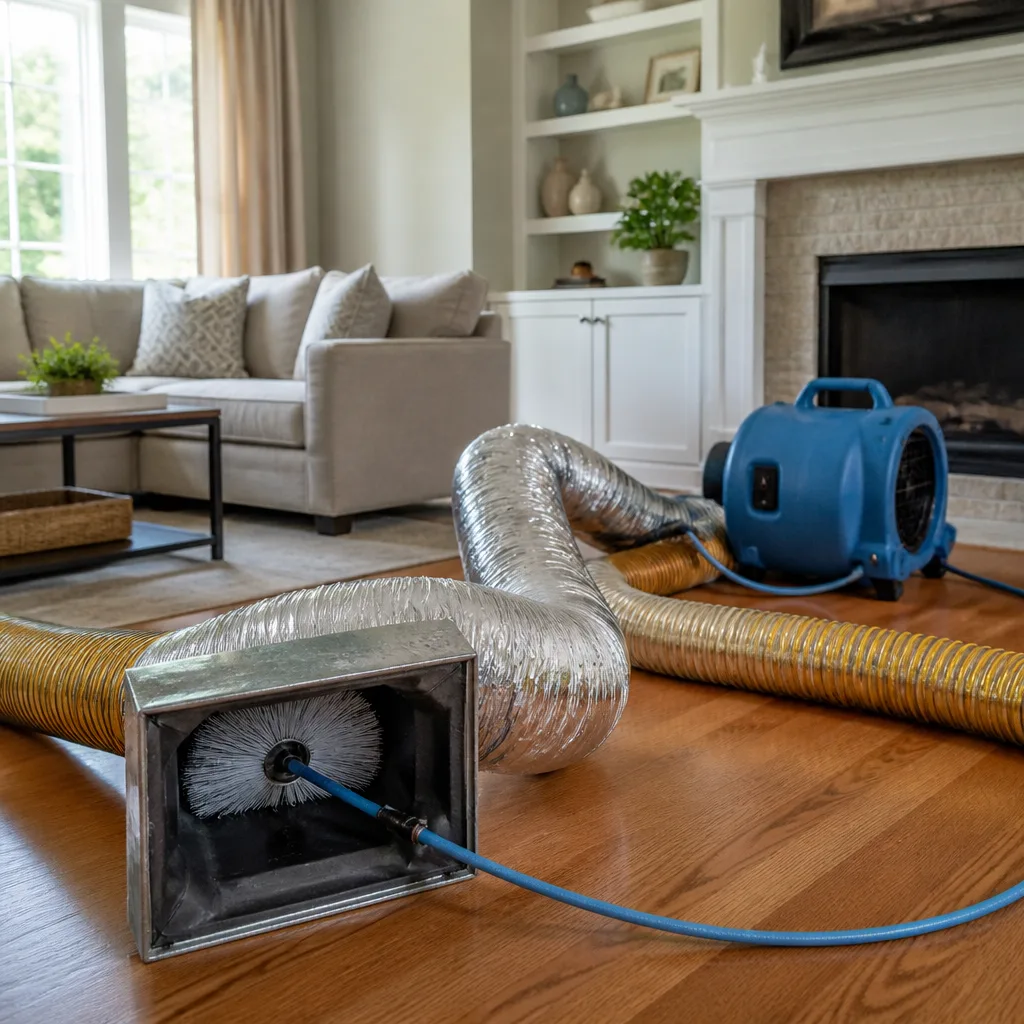 Whole-home duct cleaning
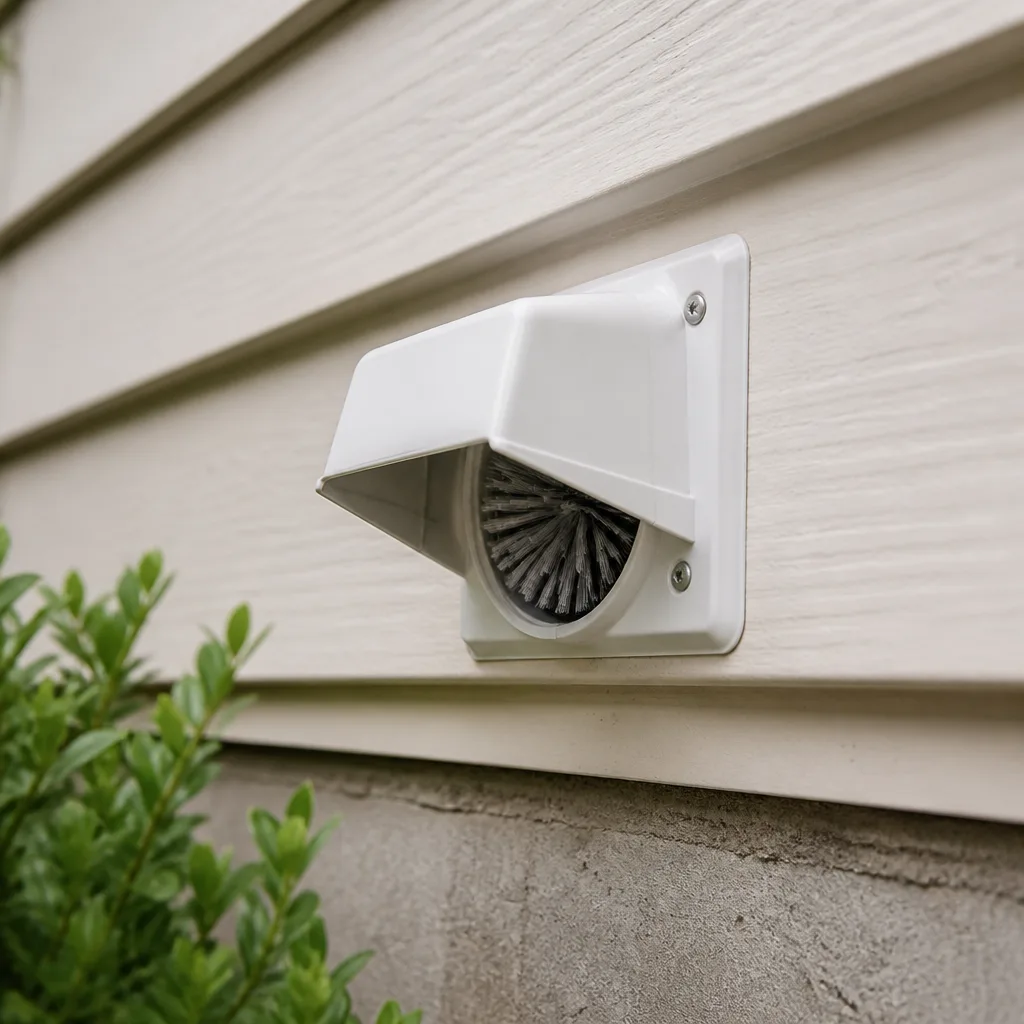 Dryer vent cleaning
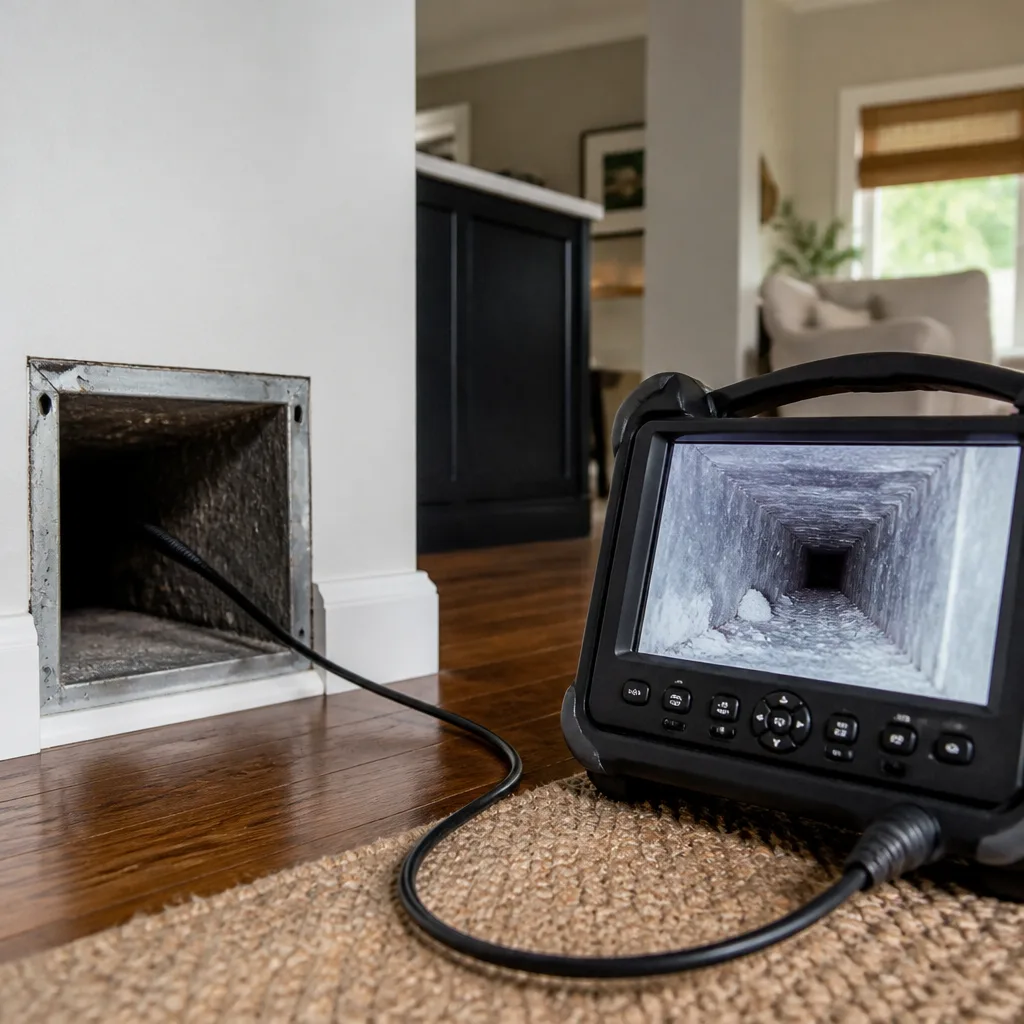 Camera inspection
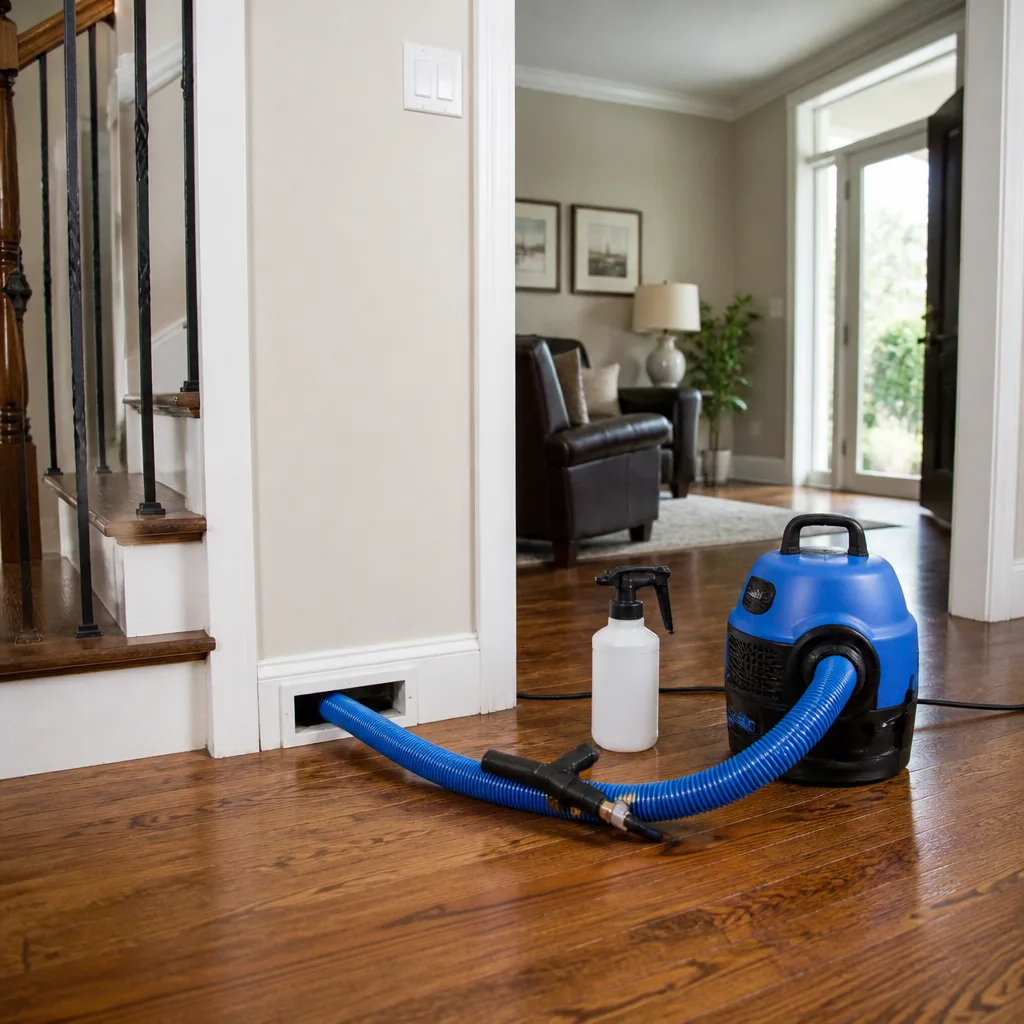 Sanitizing & deodorizing
Whole-system duct and dryer vent check with before-and-after photos - you see exactly what came out of your vents
That "$99 whole-house special" is a bait ad - the real number appears once they are in your hallway, or the "clean" is a shop-vac at the register. We photograph the inside of your ducts before and after instead.
Choosing the Right Air Duct Cleaning Brand: A Buyer’s Guide for Joliet
A five-star review of a pleasant, polite technician tells you nothing about whether your duct system actually got clean. That’s the uncomfortable truth about how most people shop for duct cleaning: they read reviews, compare coupons, and pick whoever answers the phone fastest. But the single most predictive variable in the outcome isn’t bedside manner or price. It’s the equipment system the company runs. The brand of machine sets the ceiling on what any technician can accomplish, no matter how hard they work. In this guide we’ll explain what Rotobrush and Nikro equipment actually do differently, why the simultaneous part of the process matters, and how to ask the right questions of any contractor in Joliet before you book.
Quick Answer
The right air duct cleaning brand for a Joliet home is one that operates contractor-grade equipment matched to your duct geometry, not a single tool run on every job. Look for a company running Rotobrush rotary brush systems for branch lines and Nikro HEPA-rated vacuum equipment for trunk lines and air handlers, and ask which system they’ll use on your specific ducts. A straight, specific answer about equipment is worth more than any star rating.
Styles & brands we work with
- Whole-home duct cleaning
- Dryer vent cleaning
- Camera inspection
- Sanitizing & deodorizing
Table of Contents
- Why Equipment Sets the Ceiling on Duct Cleaning
- What the Rotobrush System Actually Does
- Where Nikro Equipment Fits In
- Why Running Two Systems Beats One Tool on Every Job
- What “NADCA-Compliant” Really Means
- How to Ask a Joliet Contractor About Their Equipment
- How to Recognize Contractor-Grade Equipment
- Evaluating a Duct Cleaning Company: A Step-by-Step Checklist
Why Equipment Sets the Ceiling on Duct Cleaning
Every duct cleaning method has a physical limit, and that limit is defined by the equipment, not the person holding the hose. A technician with excellent training and a consumer shop-vac is still a technician with a consumer shop-vac. The machine decides how much agitation reaches the duct wall, how much negative pressure holds the debris in suspension, and whether that debris leaves the system or simply redistributes into the next room.
This is why two companies can both advertise “air duct cleaning” and deliver wildly different results. One pushes a brush through the register and vacuums the opening. The other agitates the full interior surface of the duct while simultaneously pulling a continuous column of negative pressure through the system. The first leaves a film of settled dust and the second removes it. Same words on the invoice. Different physics.
In our experience across Joliet homes, duct geometry varies more than most people expect. A ranch with a short, simple trunk run isn’t the same challenge as a two-story with long branch lines off a central plenum. Older housing near the downtown core can have duct configurations that reward one approach, while newer construction out toward the west side calls for another. The right equipment choice depends on what’s actually in the walls.
Here’s the practical takeaway. Before you compare price or reviews, ask what equipment system the company sends to the job. That answer tells you the method they can run, and the method tells you the outcome you can expect. Everything else is secondary.
What the Rotobrush System Actually Does
Rotobrush is a rotary brush system built specifically for residential ductwork. The core idea is continuous-contact brush agitation paired with simultaneous negative-pressure extraction. A rotating brush travels through the duct interior, physically scrubbing the surfaces, while a vacuum pulls the loosened material into a collection system at the same time.
The word that matters is simultaneous. If a company agitates first and vacuums later, the dust they just loosened settles back onto the duct surfaces before it can be captured. Agitation without active extraction just moves the problem around inside the system. Rotobrush runs the two actions together so the debris is lifted and captured in the same pass.
Why does that continuous contact matter for your ducts? Most residential duct runs are lined with sheet metal or flex duct and coated over time with a layer of settled dust, lint, and whatever else the return air has carried in. That coating clings. A passive vacuum can’t pull it loose, and a hand brush can’t reach the full circumference. A rotating brush driven at speed maintains contact with the duct wall through bends and corners, and the paired suction captures what it breaks free.
The air duct cleaning we perform uses Rotobrush rotary brushes as the primary agitation tool for branch lines and typical residential runs. It’s the same platform commercial duct contractors rely on, scaled for homes. That’s the distinction. It’s a contractor-grade system, not a consumer vacuum dressed up with a longer hose.
- What it handles well: branch lines, typical residential runs, flex duct, and the standard duct geometries found in most Joliet houses.
- What it depends on: a properly sized vacuum connection to maintain negative pressure throughout the cleaning.
- What it doesn’t cover: large trunk lines, plenum surfaces, and air handler interiors, where a different system does the work more efficiently.
Where Nikro Equipment Fits In
Nikro HEPA-rated vacuum equipment plays a different role. Where Rotobrush handles the agitation-and-extraction dance in the branch runs, Nikro systems are built for source removal at larger scale. Think big trunk lines, the air handler cabinet, and the return plenum where dust tends to accumulate most heavily.
The HEPA-rated piece is important. HEPA filtration captures fine particulate, the sort of material that a standard vacuum filter lets back into the air. When you’re cleaning a duct system, the last thing you want is to pull debris loose and then exhaust the fine fraction back into the living space. A HEPA-rated system traps that material at the filter rather than redistributing it.
This matters for Joliet households with anyone sensitive to dust or allergens. Pulling heavy accumulation out of a trunk line with a HEPA-rated vacuum keeps that material contained rather than cycling it through the room. It’s not marketing language; it’s a measurable difference in what leaves the system versus what stays.
We want to be specific about what scenarios Nikro handles that a Rotobrush alone does not cover efficiently:
- Large trunk lines. The main distribution trunk is wider than branch runs. A rotary brush sized for a branch line doesn’t handle that diameter efficiently, and a truck-mount vacuum tied to a small hose can’t hold enough negative pressure across the run. Nikro equipment handles the source-removal job in those larger pathways.
- Air handler interiors. The cabinet, blower compartment, and evaporator coil area collect dust and debris that no brush reaches. Source removal with HEPA-rated suction addresses it directly.
- Return plenums. The return side often carries the heaviest accumulation because it pulls unfiltered room air. A HEPA-rated system is the right tool for pulling that material out without reintroducing it to the home.
For allergen and contaminant scenarios, the crew also keeps Abatement Technologies equipment available, which supports containment when the job calls for it. And because we’re set up to work with Honeywell and Aprilaire whole-home air filtration systems, we’re cleaning around the same filtration ecosystem many Joliet homes already have installed, not working around it blindly.
Why Running Two Systems Beats One Tool on Every Job
Here’s the pattern worth noticing in the local market. Some duct cleaners run one machine on every job, regardless of what’s in the walls. A truck mount, a van-mounted vacuum, a portable unit, one tool. Every house gets the same treatment even if the houses aren’t the same.
A company operating both Rotobrush and Nikro systems is better positioned because it can match the tool to the duct geometry rather than force the geometry to fit the tool. Branch lines get rotary brush agitation with simultaneous extraction. Trunk lines and air handler interiors get HEPA-rated source removal. Two different jobs, two different systems, one coherent process.
That matching ability shows up in real scenarios. Consider a Joliet home with a finished basement and long branch runs feeding bedrooms on the second floor. The branches are tight, and a brush is the right call. But the trunk line delivering to that second-floor zone is large, and the air handler feeding it is the real accumulation point. A company running only a brush system handles the branches competently and skips the trunk and handler. A company running only a truck mount tries to force suction through a small hose to reach branch runs where a rotary brush belongs.
Both come up short. A company that runs both systems doesn’t have to choose.
- Branches and short runs: Rotobrush rotary brush agitation with paired extraction.
- Trunks and plenums: Nikro HEPA-rated source removal.
- Air handlers: source removal with HEPA-rated suction, plus a look for anything that needs fixing.
- Allergen or contaminant scenarios: Abatement Technologies containment support.
One other point on matching tools to the job: our dryer vent cleaning service uses equipment suited to that narrow, high-risk pathway. We treat dryer vents as the fire-safety service they are, because lint accumulation in the vent is a leading cause of residential structure fires. It’s not the same job as duct cleaning, and the tools reflect that.
What “NADCA-Compliant” Really Means
NADCA refers to the National Air Duct Cleaners Association, and its standards describe a floor for duct cleaning practice, including minimum equipment expectations and source-removal principles. “NADCA-compliant” means a company has met that floor. It does not mean a company has the best tools available, only that the tools clear a defined baseline.
Think of it this way. A license to drive sets a minimum for operating a car responsibly. It doesn’t tell you what kind of car someone drives. NADCA compliance is the same: it establishes the floor, and equipment quality determines the height above it.
Source removal is the operating principle NADCA standards emphasize. Cleaning carried out in a way that loosens debris without capturing it doesn’t count as source removal; the material has to actually leave the system. What contractor-grade equipment like Rotobrush and Nikro systems deliver is a higher level of agitation and capture than a consumer-grade or low-powered unit can achieve, while still meeting those source-removal principles.
This is where homeowner questions get sharper. A company can claim NADCA compliance and still be running underpowered equipment. The compliance claim describes the process. The equipment roster describes the method. Ask about both, and understand that the equipment question is the one that tells you what kind of clean you’ll actually get.
Our own standard is straightforward: Rotobrush rotary brush systems for the branch lines, Nikro HEPA-rated vacuum equipment for the larger surfaces, and a clear statement of which system goes where. That’s the level of specificity we think anyone hiring in Joliet should expect to hear.
How to Ask a Joliet Contractor About Their Equipment
The question is simple, and the way a contractor answers it tells you more than any marketing page. Ask: “What equipment system do you run, and how do you decide which system to use in my ducts?” A company genuinely running contractor-grade equipment will answer in specifics, usually naming the brand and describing the two-pass approach.
What to listen for, and what a vague answer reveals:
- A specific brand name. “We use Rotobrush rotary systems for branch lines and Nikro HEPA-rated vacuum equipment for trunks and air handlers” is a specific answer. “We use the best equipment available” is not an answer at all.
- A method matched to duct type. If the answer is one machine on every job, ask why one tool handles every geometry. A clear explanation is a good sign; a deflection isn’t.
- A HEPA claim that holds up. HEPA-rated is a real standard, not a marketing word. Ask what the vacuum captures at the filter. A company running true HEPA-rated equipment answers easily.
- What happens when they find damage. A duct system that has been cleaned carefully reveals any cracks, disconnected joints, or crushed runs. Ask whether the company repairs those issues or hands you off to a second contractor. A company that does air duct repair as well tells you they can fix what cleaning uncovers, same visit, same crew.
A vague or deflecting answer is a signal. If a contractor can’t tell you which machine they run or why they chose it for your home, they probably don’t have a strong answer to give. Among the companies offering “best air duct cleaning company Joliet IL” claims, the one willing to describe equipment is the one whose methods you can actually verify. Call us at (833) 734-7685 and we’ll walk you through exactly which system goes where in your home.
How to Recognize Contractor-Grade Equipment
You probably won’t be able to inspect the equipment before the job, but you can recognize descriptions of contractor-grade equipment when you hear them. Consumer shop vacs and small portable vacuums aren’t built for ductwork. They can’t hold negative pressure across a residential duct system, and their agitation tools are sized for a garage, not a plenum.
Contractor-grade equipment looks different in several ways:
- It’s built for continuous operation. A machine rated for extended job duration, not a home vacuum rated for short bursts.
- It’s HEPA-rated where filtration matters. Genuine HEPA filtration on the extraction side, with a certification claim you can ask about.
- It has a dedicated agitation wand. Rotary brush systems travel through the duct; the brush is purpose-built for duct wall contact, not an aftermarket attachment.
- It includes containment capability. For allergen and contaminant scenarios, the crew has equipment for containing the work area, like the Abatement Technologies gear we keep available.
- It works with your filtration system. If your home runs a Honeywell or Aprilaire whole-home air filtration system, a knowledgeable crew cleans the ducts around that system without disturbing it.
This is why we treat the equipment question as the real one. Reviews describe service. Price describes cost. Equipment describes whether the ducts actually get clean. All three matter, but only one is predictive of the result.
Evaluating a Duct Cleaning Company: A Step-by-Step Checklist
Here’s the sequence we’d suggest any Joliet homeowner follow before booking a duct cleaning. The order matters because the equipment answer should come before the price question. Once you know the tools, you know what you’re comparing.
- Ask about equipment first. Which systems do they run, and how do they match the system to your duct geometry? Listen for specific names and specific reasoning.
- Ask what happens if damage turns up. A duct cleaning that uncovers a disconnected joint or a crushed run needs repair. A company that can do both saves you a handoff.
- Ask for a flat price per system. One agreed price for the whole job, not per vent and not a low teaser that grows once the technician is on site. The written estimate is what matters.
- Ask whether they document the work. Before-and-after photos of your own ducts show you what changed.
- Confirm licensure and insurance. A licensed and insured company is the baseline. Ask for the details and confirm them.
- Ask about handling allergens or contaminants. If anyone in the home is sensitive to dust or mold, HEPA-rated equipment and containment matter more, and the answers should be specific.
- Read reviews last. They describe the service experience. They don’t describe the equipment. Read them, but don’t let them decide the job.
The duct cleaning Joliet homeowners can book with us runs this exact process, from the equipment question through the written estimate. If your home has a Honeywell or Aprilaire system, we’ll work with it rather than around it. If cleaning uncovers damage, we fix it on the same visit.
Common Mistakes to Avoid
- Choosing on price alone. The cheapest quote usually reflects the lowest-powered equipment. A low price on a job that doesn’t get the ducts clean isn’t a savings; it’s a bill for a service you still need.
- Assuming NADCA compliance guarantees good equipment. It sets a floor. Ask what brand of equipment the company actually runs, because the floor and the ceiling aren’t the same thing.
- Not asking which system gets used where. A company running a single tool on every job can’t match the tool to the duct geometry. In Joliet’s mix of older and newer housing, that mismatch shows up in the result.
- Ignoring the air handler. The cabinet and blower compartment often hold more accumulated dust than the visible duct runs. A cleaning that skips the air handler misses a major source.
- Treating dryer vent cleaning as an afterthought. Lint buildup in the vent is a leading cause of residential fires. It deserves its own dedicated service, not a quick add-on at the end of a duct job.
- Accepting per-vent pricing. Per-vent pricing invites a low quote that grows as the technician counts. Ask for a flat price per system, agreed before work starts.
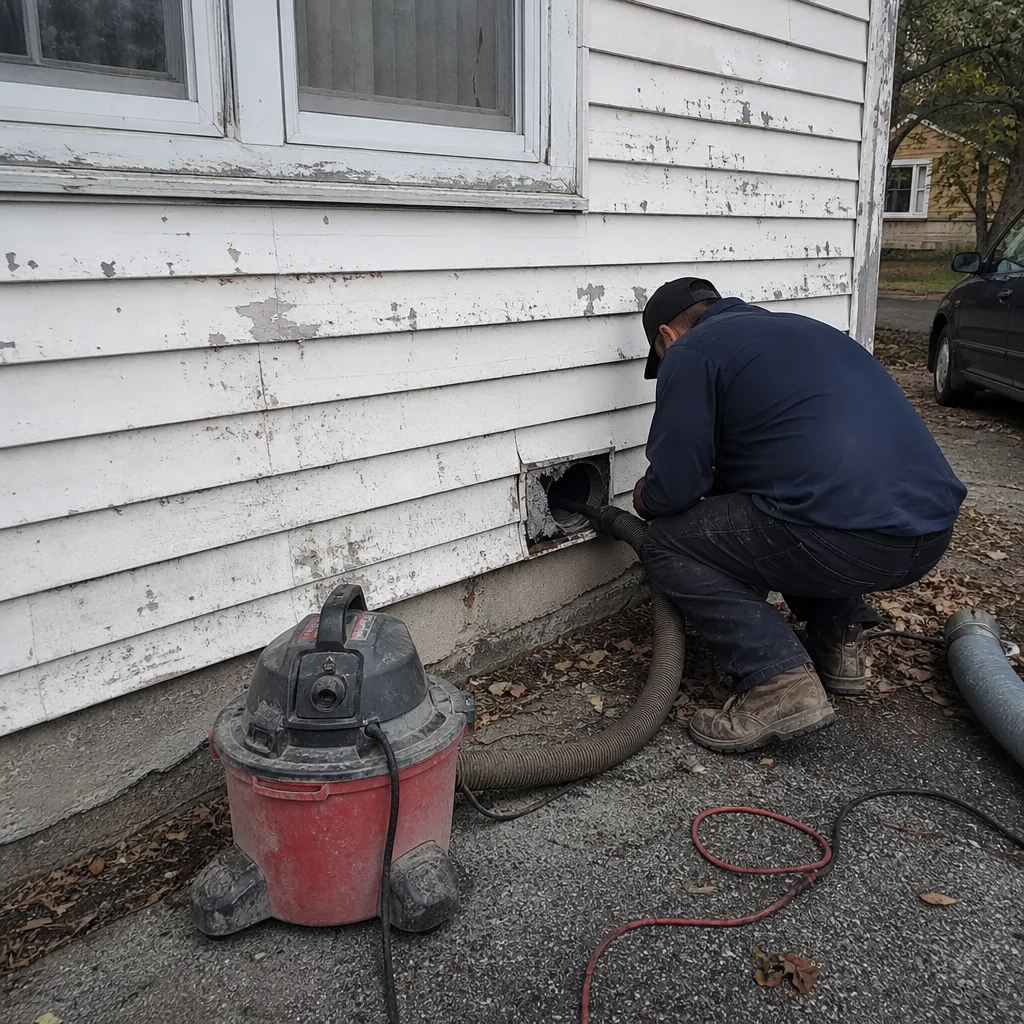
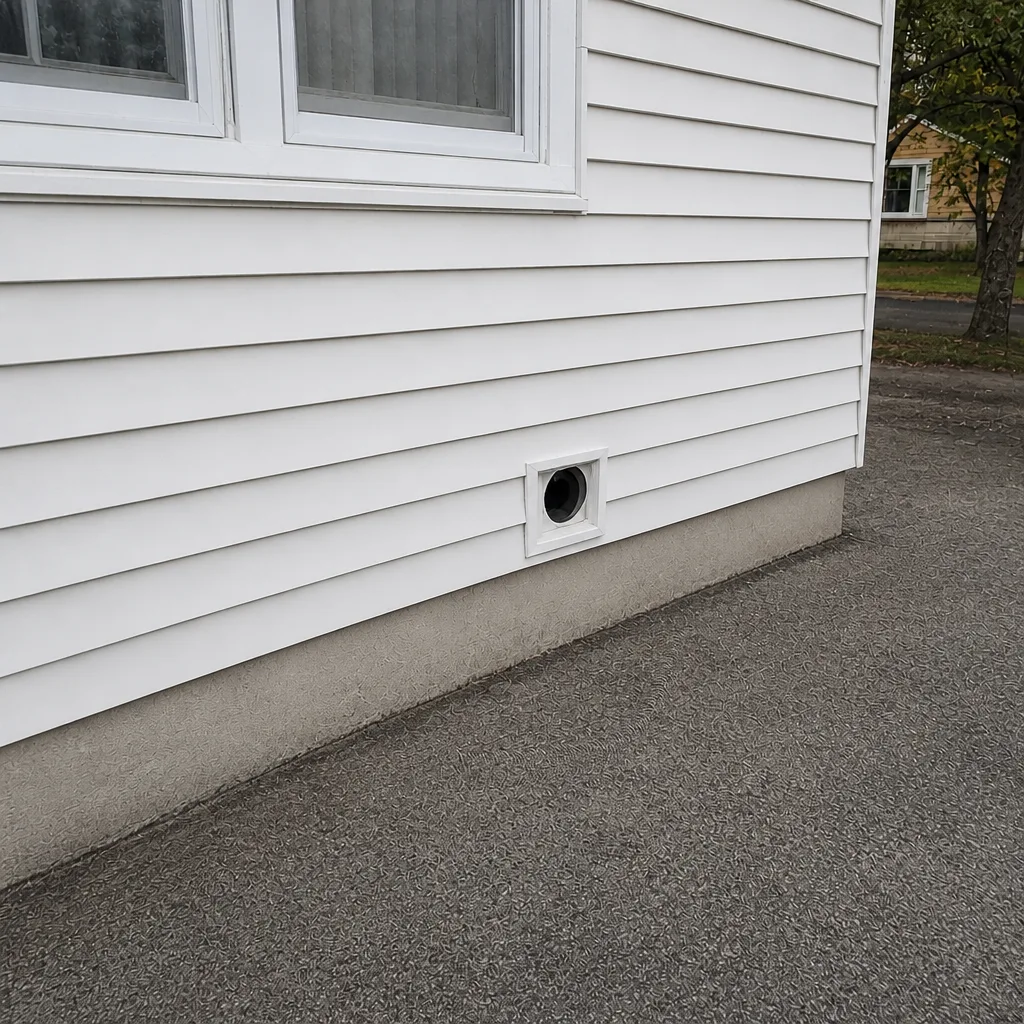
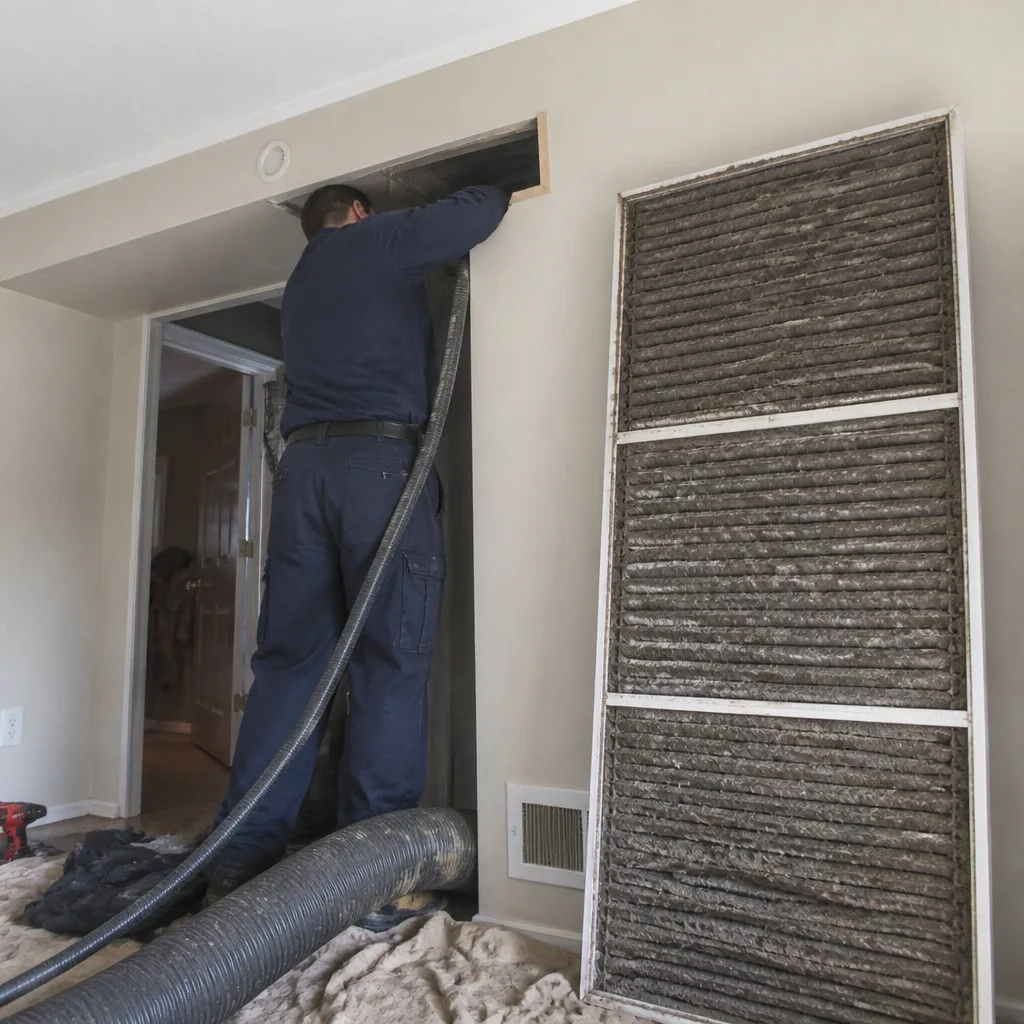
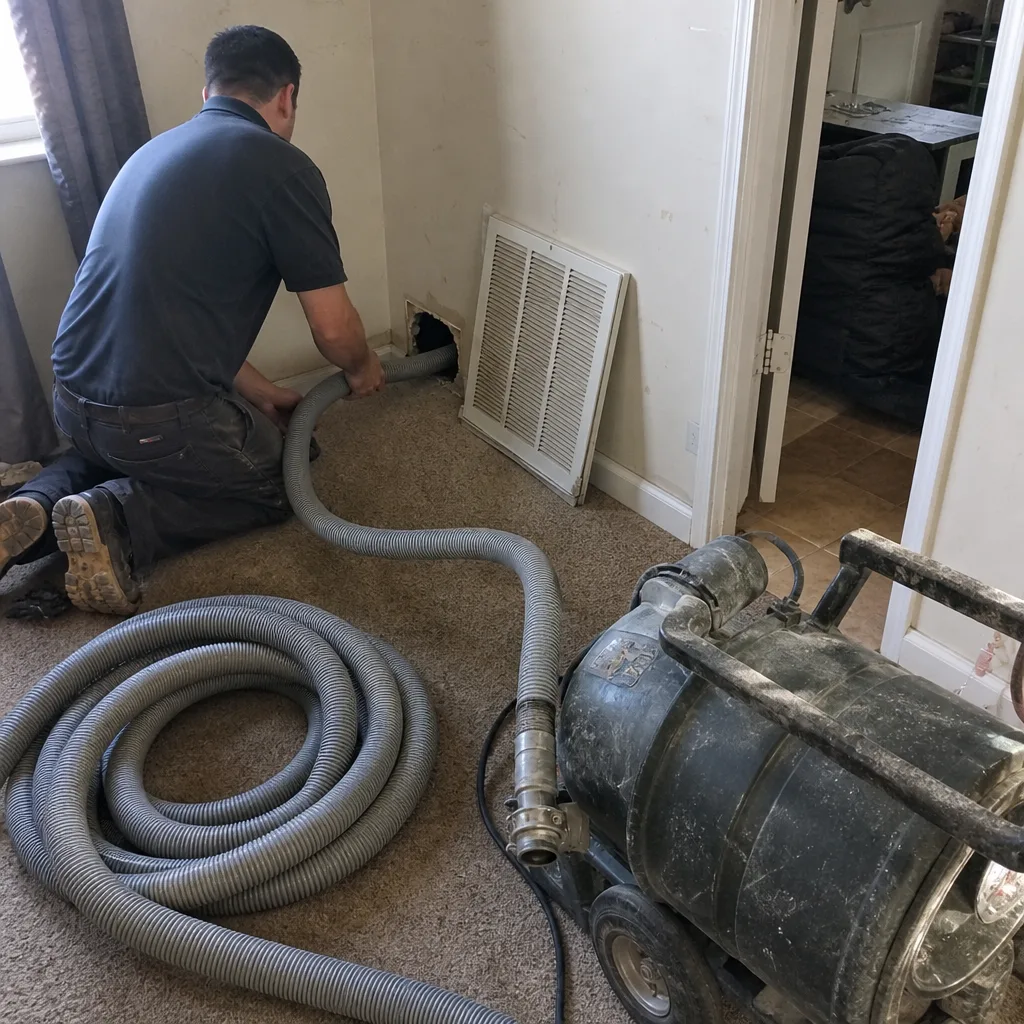
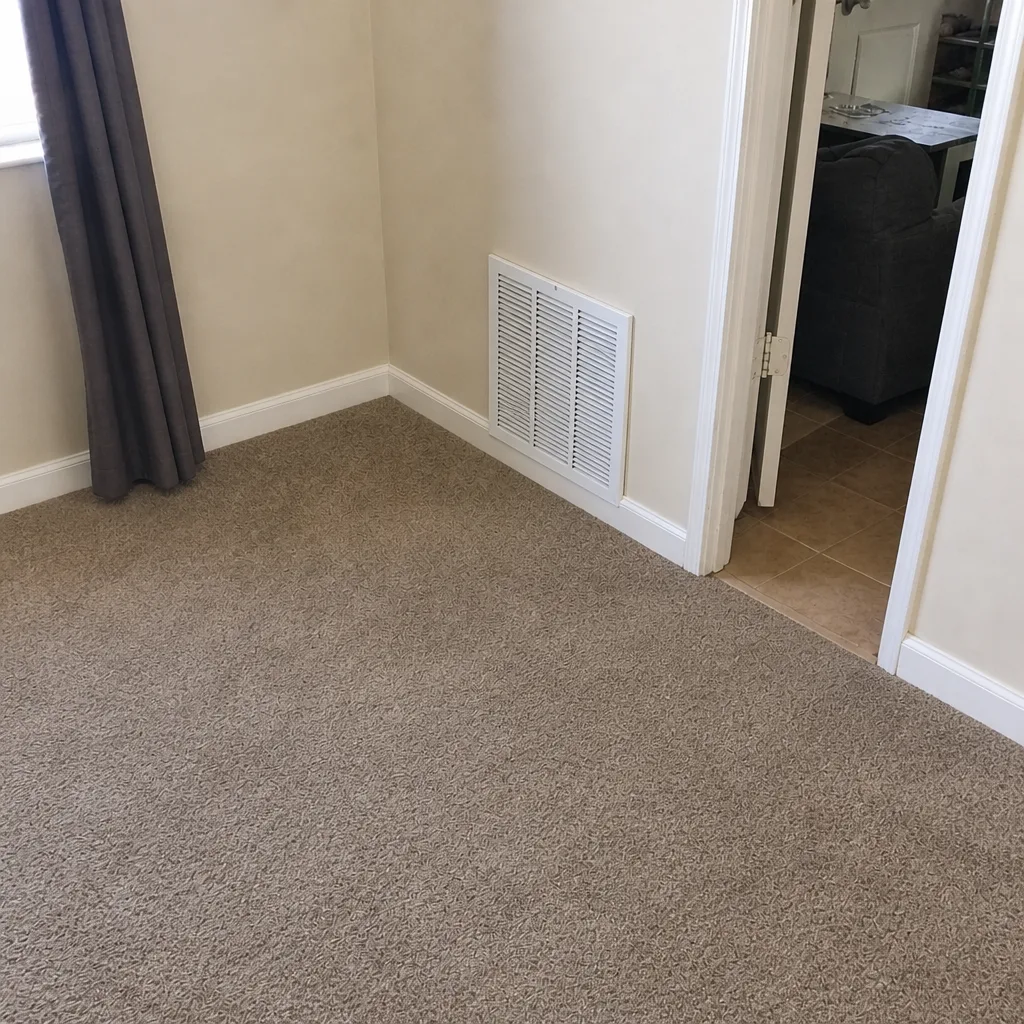
- Not asking about documentation. Before-and-after photos of your own ducts are the difference between a claim and proof. Ask for them up front.
See the difference
 Before
 After
 Before
 After
 Before
 After
When to Call a Professional
Some signs are clear enough that you shouldn’t wait: visible dust blowing from the registers after the system cycles, a persistent musty smell that tracks with the HVAC running, or a noticeable increase in dust settling around the house within days of cleaning. If anyone in the home has allergies or respiratory sensitivity and the ducts haven’t been cleaned in years, that’s a good reason to have the system assessed. A dryer that takes longer than it used to dry a load, or a vent flap that barely lifts, points to a lint-clogged vent that needs clearing for fire safety. And if a past cleaning turned up damage that was never repaired, that’s worth addressing before the next season of heavy HVAC use. Duct Cleaning Joliet offers free estimates in Joliet. Call (833) 734-7685. We answer 24/7. Fast dispatch from 7am to 7pm, Sunday through Friday.
Frequently Asked Questions
It depends on the system: duct size, number of runs, whether the air handler is included, and whether damage turns up. That’s less useful to hear than a number, so here’s the honest version. A flat price per system, agreed in a written estimate before work starts, is what you should expect. That estimate is free, and it reflects your actual duct layout rather than a per-vent count that grows as the technician walks the house.
Cheaper quotes usually reflect lower-powered equipment. A consumer-grade vacuum or a small portable unit can’t hold negative pressure across a full duct system, so the job takes less time and costs less to run. The result is a partial cleaning, not a full one. When you compare quotes, ask what equipment each company runs and whether the price is flat per system or per vent. That comparison explains the gap.
Ask for before-and-after photos of your own ducts. Not stock images, not a generic video, your actual system. A company that documents the work this way is showing you the result rather than claiming it. Combined with a flat price per system agreed before work starts, photos close the loop on whether the ducts actually changed. Call (833) 734-7685 for an exact quote; estimates are free.
Most homes do fine with a cleaning every few years, and some go much longer. The triggers that matter are visible dust from the registers, a musty smell that tracks with the HVAC, recent renovation work, or a home with pets and heavy foot traffic. If you’ve never had a system cleaned and you’re not sure where it stands, an assessment is the sensible first step. Our technicians have up to 15 years of experience reading exactly those conditions.
Yes, and the crew should know how to clean around it. Whole-home filtration systems add a filter and control layer to the duct system, and a knowledgeable team works with that setup rather than around it blindly. Honeywell and Aprilaire are two of the systems we’re set up to handle. Mention yours when you book so the crew arrives prepared. We answer 24/7 if you’d like to ask.
Not if the cleaning company does it. A careful cleaning often reveals a cracked joint, a disconnected run, or a crushed section that needs repair. A company with air duct repair on the menu fixes it on the same visit; a company without that service hands you off to a second contractor. In Joliet, asking about repair during the initial quote saves a second appointment and a second awkward conversation about why the cleaning didn’t resolve the issue.
The Bottom Line
Reviews describe service, price describes cost, and equipment describes whether your ducts actually get clean. The brand of machine a company runs sets the ceiling on what any technician can accomplish, which makes it the most predictive question you can ask. Look for a company running contractor-grade systems matched to your duct geometry, ideally Rotobrush rotary brushes for branch lines and Nikro HEPA-rated vacuum equipment for trunks and air handlers. Ask whether they repair what they find, confirm HEPA-rated equipment, and get a flat price per system in writing before anyone arrives. That combination is what tells you the job will be done properly in a Joliet home. Call (833) 734-7685 for a free estimate. We answer 24/7. Fast dispatch from 7am to 7pm, Sunday through Friday.
Written by the team at Duct Cleaning Joliet.