
Last updated November 15, 2026
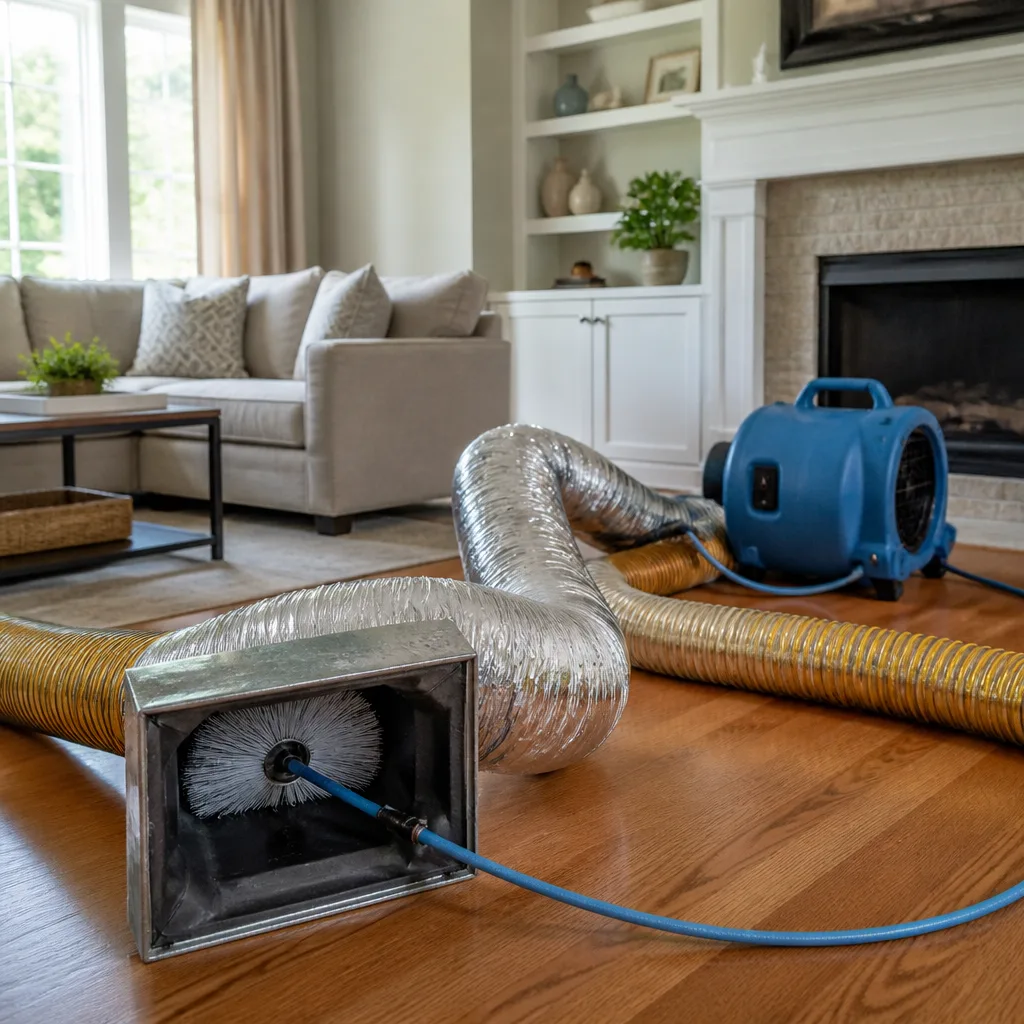 Whole-home duct cleaning
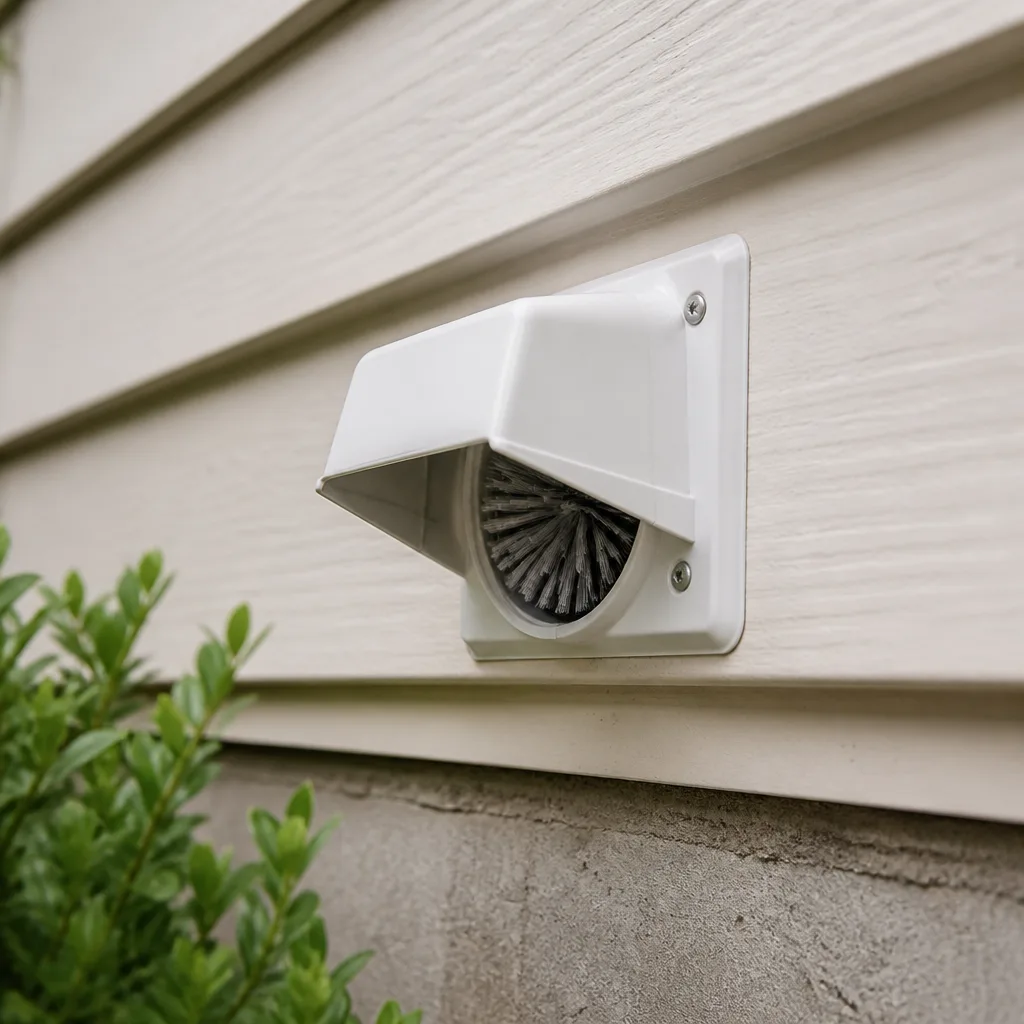 Dryer vent cleaning
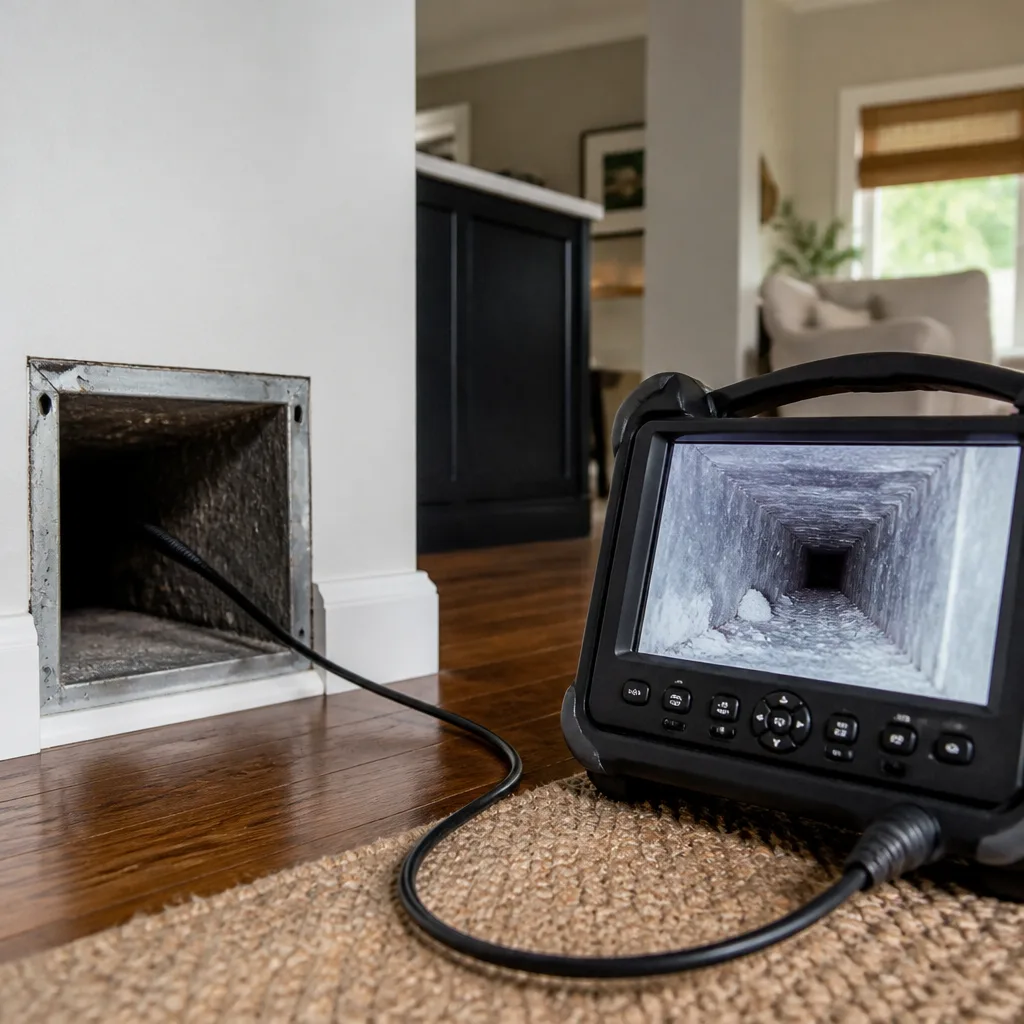 Camera inspection
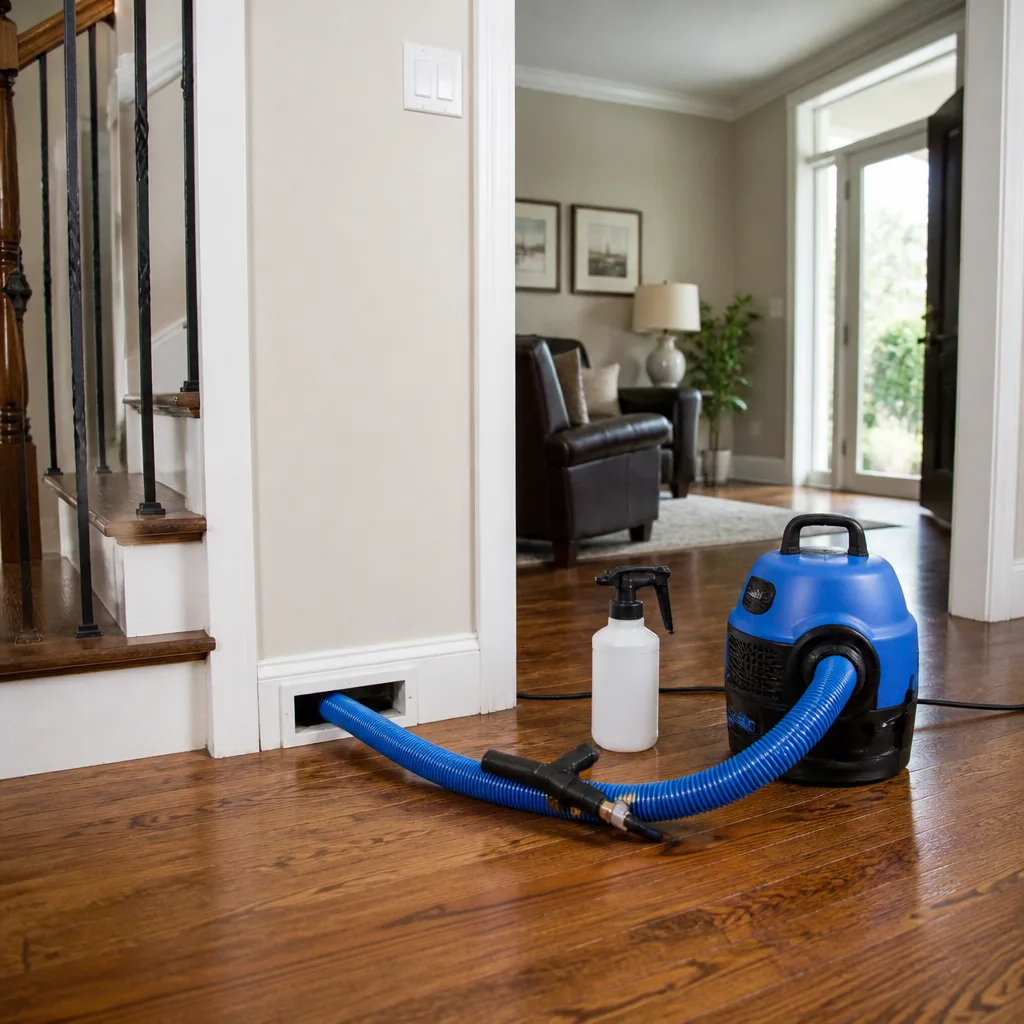 Sanitizing & deodorizing
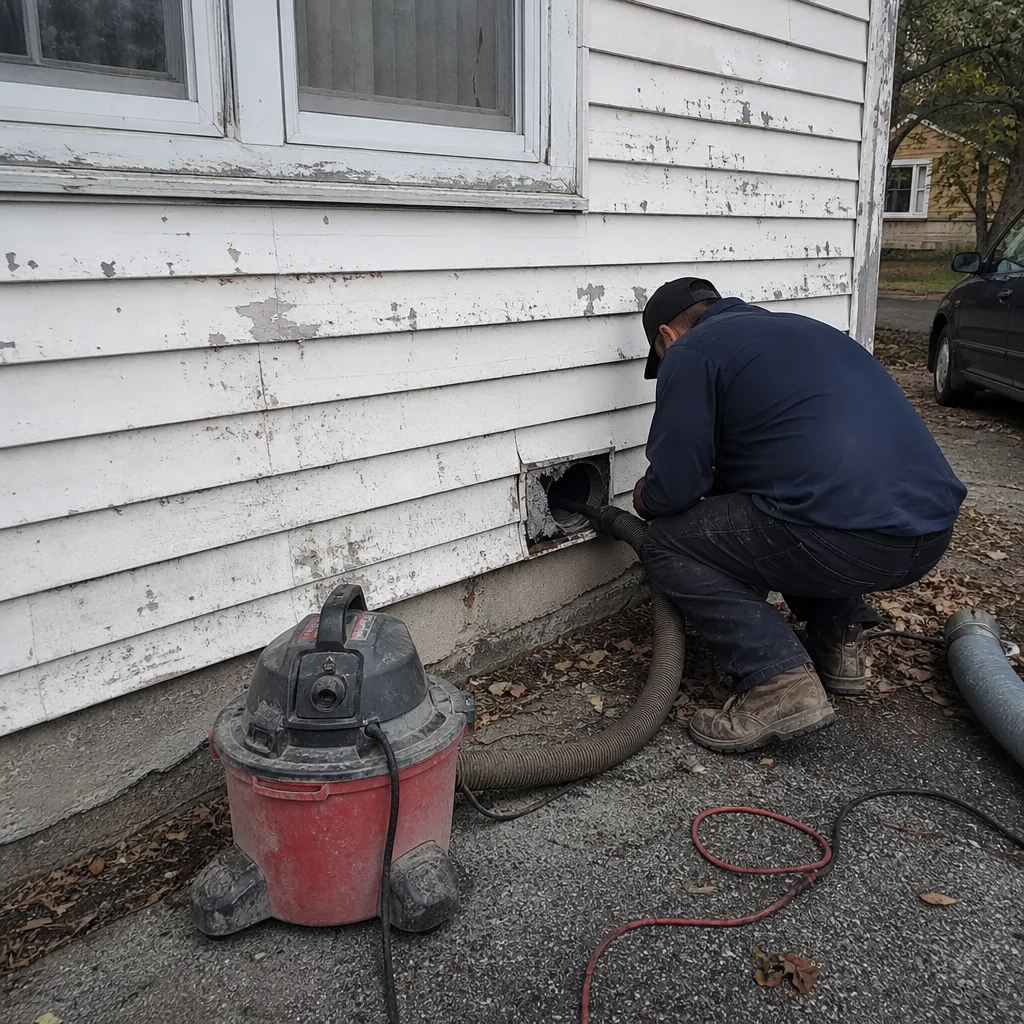
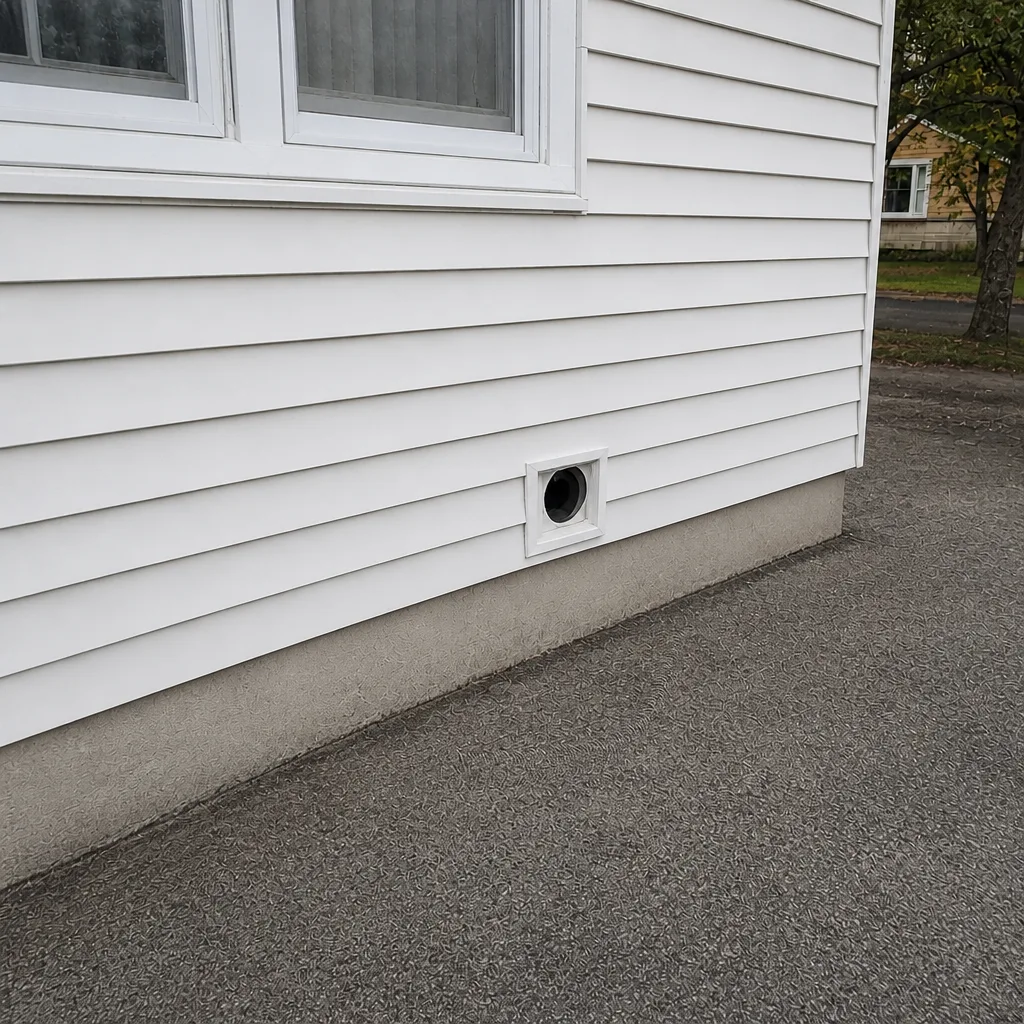
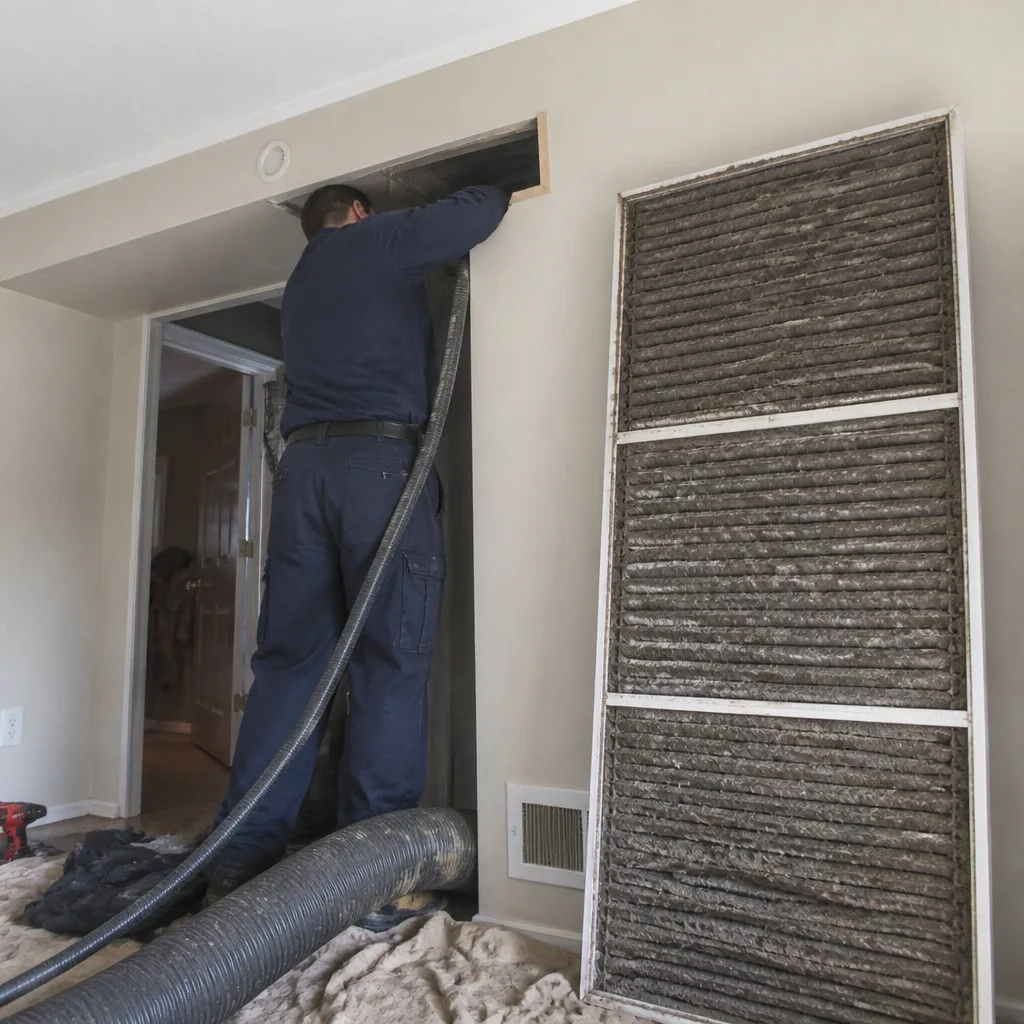
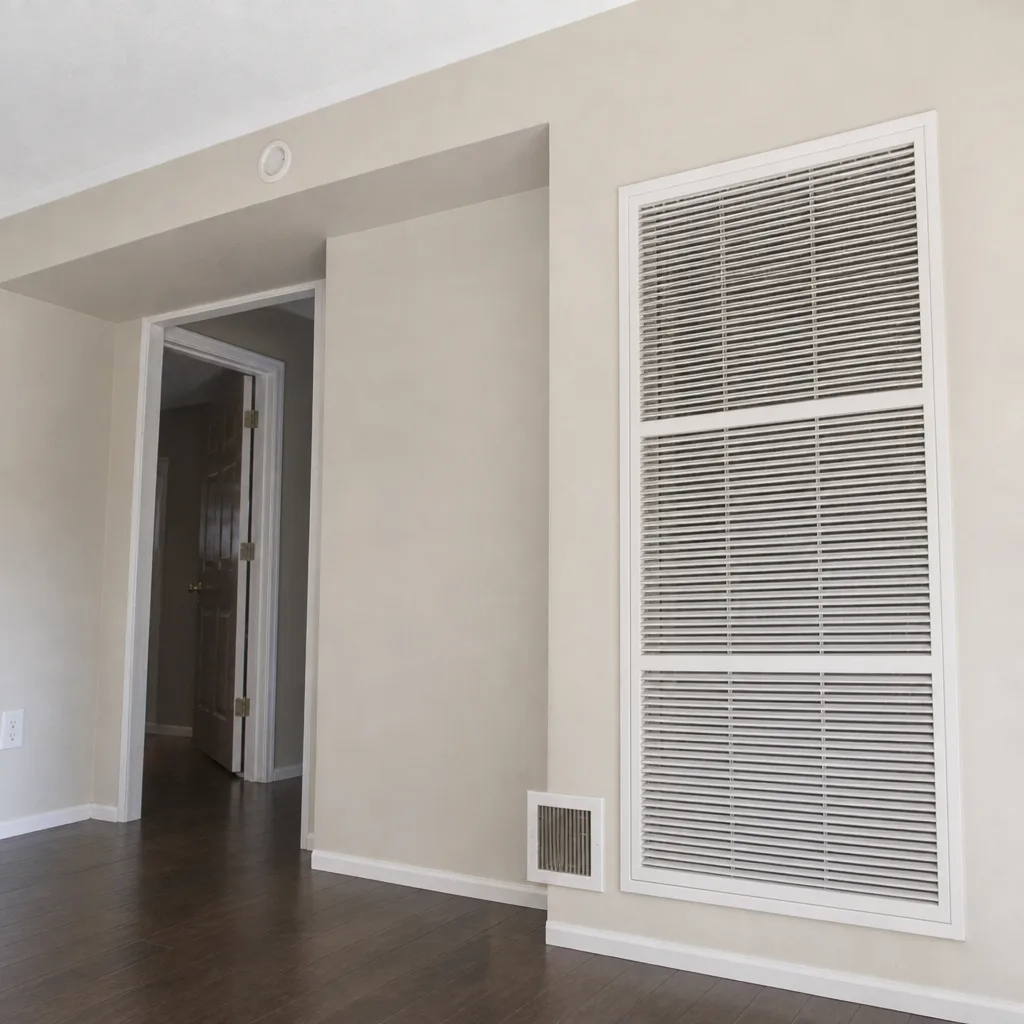
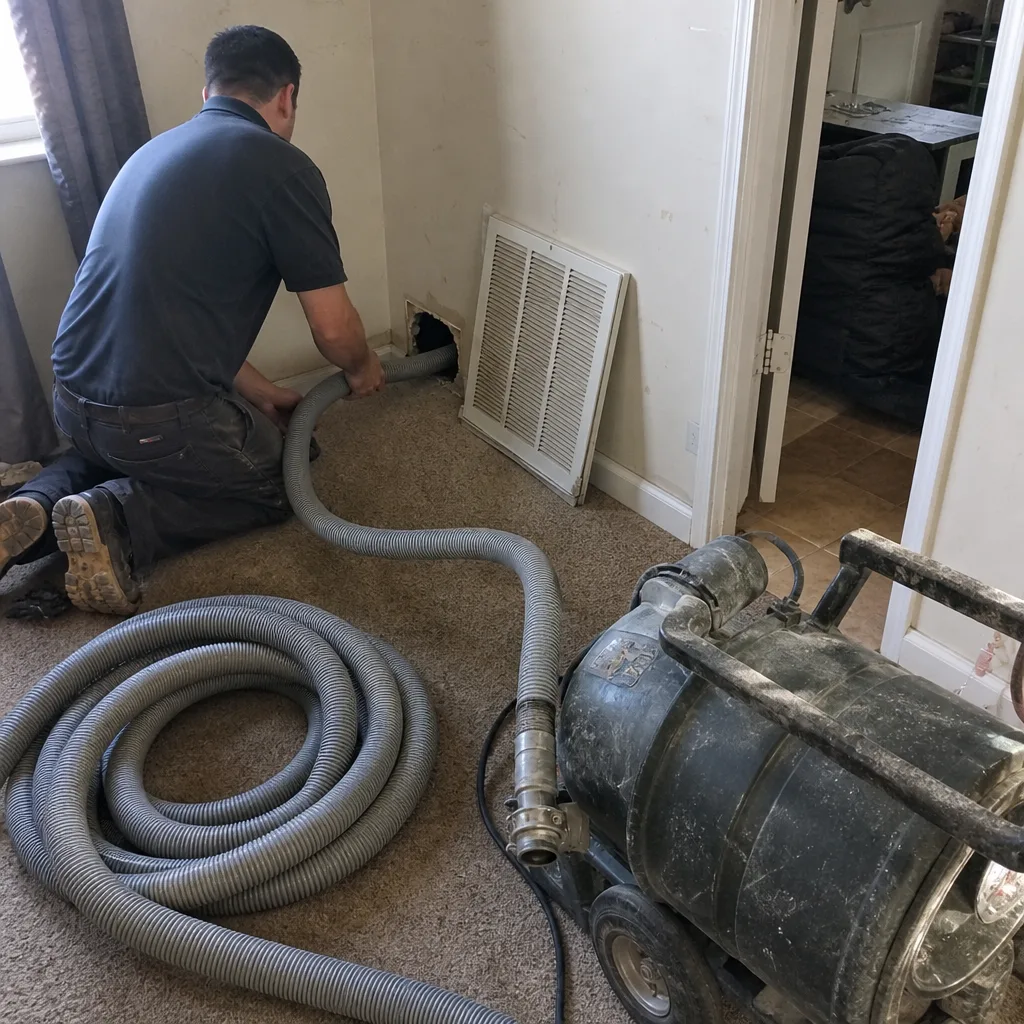
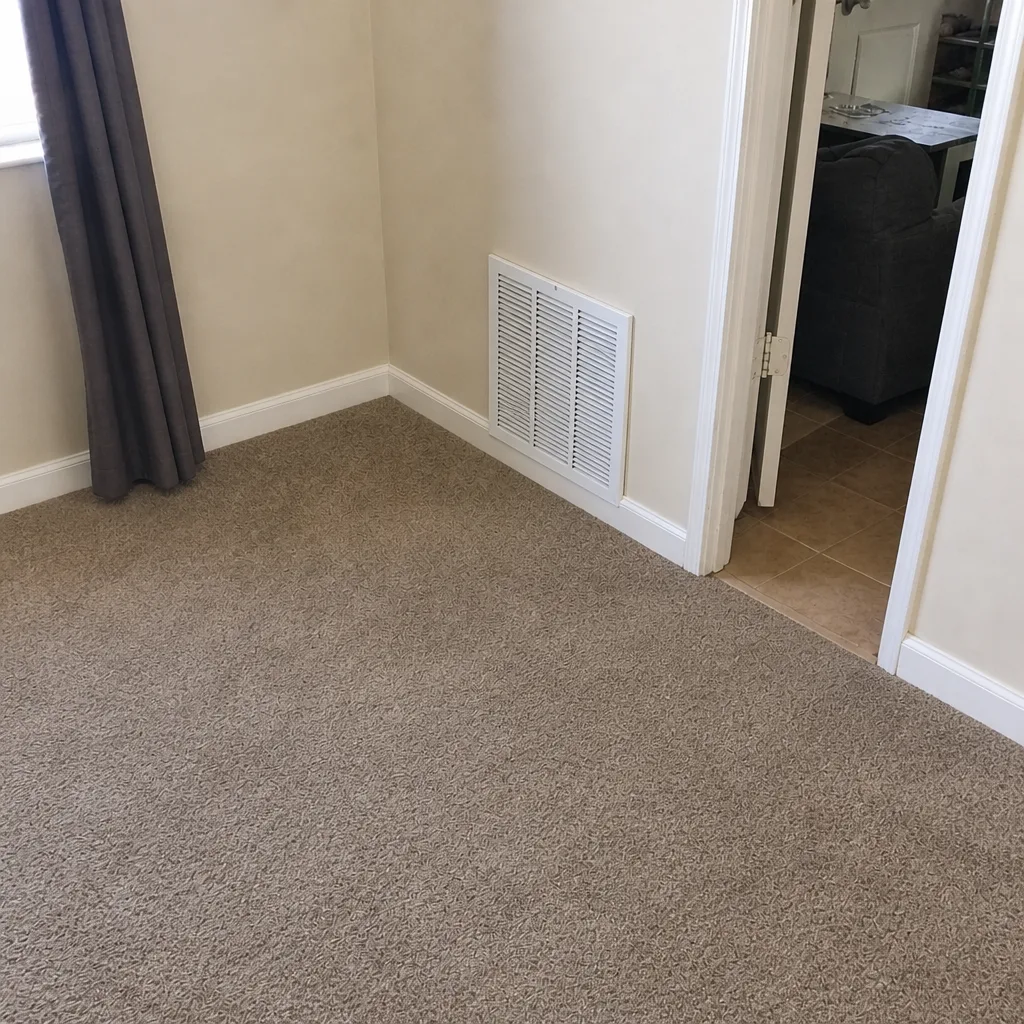
Whole-system duct and dryer vent check with before-and-after photos - you see exactly what came out of your vents
That "$99 whole-house special" is a bait ad - the real number appears once they are in your hallway, or the "clean" is a shop-vac at the register. We photograph the inside of your ducts before and after instead.
Air Duct Cleaning Maintenance Schedule: What to Do and When
The EPA’s often-quoted “3 to 5 years” cleaning interval was never meant as a universal prescription. It was a general estimate, and it predates the high-efficiency systems most Joliet homes now run, which move more air and pull more debris into the ductwork than the equipment that estimate was written around. Treating that number as a fixed rule means some homes get cleaned years too late and others pay for work they didn’t need yet. This guide replaces the blanket advice with a condition-based schedule tied to what you can actually observe: pet load, renovation dust, system age, duct material, and filtration. You’ll finish knowing what to inspect, when to schedule, and how to log it simply.
Quick Answer
There’s no single correct interval. Most homes need professional duct cleaning every 3 to 5 years, but the real triggers are conditions, not the calendar: a renovation, a water event, a new pet, or an HVAC replacement should prompt an inspection regardless of when the ducts were last cleaned. Homes with heavy shedding pets, recent remodeling, or older flex duct often need attention closer to every 2 to 3 years, while a tightly filtered home with no pets or renovations can stretch well past five.
Styles & brands we work with
- Whole-home duct cleaning
- Dryer vent cleaning
- Camera inspection
- Sanitizing & deodorizing
Table of Contents
- Why the “3 to 5 Years” Rule Is Only a Starting Point
- Condition-Based Triggers: When to Clean Regardless of Time
- How Duct Material Changes Your Schedule
- How Filtration Changes the Equation
- Dryer Vent Cleaning on Its Own Schedule
- What to Inspect Between Cleanings (and How to Log It)
- Joliet Conditions That Shape Your Schedule
- How to Build Your Own Schedule: A Step-by-Step Approach
Why the “3 to 5 Years” Rule Is Only a Starting Point
The 3-to-5-year figure circulates widely, and it isn’t wrong, exactly. It’s just a range built for a “typical” home that may not resemble yours. The reasoning behind it is simple: ductwork accumulates dust, dander, and debris over time, and eventually enough builds up that airflow and air quality suffer. But “eventually” is doing a lot of work in that sentence. Two houses on the same block in Joliet can have wildly different accumulation rates depending on what’s inside them and what’s been done to them.
What makes the old estimate feel out of date is the way home HVAC has changed. Modern high-efficiency furnaces and air handlers move more air through the same ductwork than the systems of a few decades ago. More airflow picks up more particulate and deposits it along the runs. Add the tighter construction of newer homes, which traps dust indoors rather than letting it leak out, and the accumulation curve steepens. That doesn’t mean you should clean every year. It means the fixed number can’t carry the whole decision on its own.
A better mental model: think of the interval as a default that gets adjusted up or down by conditions. The default keeps you from forgetting the ducts exist. The conditions tell you whether to move the date closer or push it out. In our experience, homeowners who track conditions rather than just the calendar tend to schedule at the right time, neither paying early nor waiting until buildup shows up as a comfort or air-quality problem.
The variables that actually drive accumulation
- Pet load: A home with two heavy-shedding dogs generates far more dander and hair than a pet-free home. Dander is fine enough to stay airborne and travel into the return side.
- Renovation activity: Drywall dust, sawdust, and fiberglass particles from remodeling get pulled into returns and settle in the duct runs that stay active during the work.
- System age and design: Older systems and poorly sealed ductwork leak, which changes where dust collects and how fast.
- Duct material: Sheet metal, flex duct, and duct board accumulate debris at very different rates, and some are harder to clean thoroughly.
- Filtration: A high-MERV filter with a well-sealed filter slot catches far more before it reaches the ducts.
Each of these is something you can observe or know about your own home. That’s the point of a condition-based schedule: it replaces an abstract number with facts you already have.
Condition-Based Triggers: When to Clean Regardless of Time
Some events override the calendar entirely. When one of these happens, the right move is an inspection now, not waiting for the next interval to come around. An inspection tells you whether cleaning is actually needed; you’re not committing to a full cleaning just by asking. If you want a broader refresher on what a proper cleaning involves, our air duct cleaning page covers the process end to end.
The triggers that reset your clock
- A renovation or major repair. Any project that cuts into walls, ceilings, or floors sends dust into the air, and the HVAC system keeps running through much of it. Schedule an inspection once the work is finished and the construction dust has settled.
- A water event. A leak, a burst pipe, or a flooded basement can introduce moisture into ductwork, and moisture is what turns ordinary dust into a place where mold can take hold. This one calls for prompt attention, not a wait-and-see approach.
- A new pet. Adding a shedding animal to the household raises the dander load immediately. If a pet joins the home, shorten your inspection interval.
- An HVAC replacement or major service. When a system is swapped or the air handler is opened up, it’s the natural moment to have the ducts inspected and, if needed, cleaned, so the new equipment starts with clean airflow.
- Visible evidence or a smell. Dust streaking out of supply registers, a musty odor when the system runs, or visible debris inside a register are all signs the ducts are carrying more than they should.
A water event is the one to take most seriously. Ductwork that has been damp and is then closed up can support mold growth, and that’s a job that goes beyond routine cleaning. Our technicians have up to 15 years of experience, and the ones who handle containment work bring Abatement Technologies equipment built for allergen and contaminant scenarios, so a moisture situation gets treated properly rather than vacuumed and forgotten.
If any of these triggers applies to your home, call for an inspection rather than guessing. We can work with your schedule and give you a written estimate before any work starts.
How Duct Material Changes Your Schedule
Not all ductwork ages the same way. The material running through your home affects both how quickly debris accumulates and how often it should be inspected. This is one of the most overlooked parts of any cleaning schedule, and it’s worth knowing which type you have.
Sheet metal
Rigid galvanized sheet metal is the most forgiving material. Its smooth surface lets debris move along with airflow instead of clinging, so accumulation is slower and a rotary brush cleans it thoroughly. Resistive seams and joints can still trap dust, so periodic inspection matters, but sheet metal generally holds up best on a longer interval. The Duct Cleaning Joliet approach pairs Rotobrush rotary brushes with Nikro HEPA suction, which is exactly the setup that restores a metal run cleanly.
Flex duct
Flexible duct, common in retrofits, attics, and tight runs, is corrugated inside. Those ridges catch dust, hair, and dander and hold them, so flex duct accumulates debris faster than metal and is harder to clean completely. Aggressive brushing can damage the inner lining, so it needs a careful touch and more frequent inspection. If a good portion of your system is flex, lean toward the shorter end of the interval range.
Duct board
Rigid fiberglass duct board is the most delicate of the three. Its interior is fibrous, and cleaning it aggressively can fray the surface, which turns a cleaning into a repair. Duct board deserves careful, low-abrasion handling and a close eye on condition. When cleaning reveals frayed or damaged board, the fix is a repair, and that’s where having air duct repair on the same service menu pays off. We clean it, and if we find damage, we repair it, same visit, same crew, instead of sending you to a separate contractor.
If you’re not sure what material runs through your home, that’s a good question to raise when you call. Knowing it shapes both the interval and the cleaning method, and it’s the kind of detail a specialist checks before starting.
How Filtration Changes the Equation
Your filtration setup is the single biggest lever on how much debris actually reaches the ducts. A well-chosen filter in a sealed slot captures a lot of particulate before it travels into the return. That directly stretches your cleaning interval, because the ducts are seeing less material to begin with. A cheap filter in a leaky slot does the opposite, letting dust bypass the filter and coat the interior of the system.
The common mistake is assuming a higher-MERV filter is automatically better. Higher MERV means smaller particles captured, but it also means more airflow resistance. In a system not designed for it, a filter that’s too restrictive can strain the blower and reduce airflow. The right MERV depends on your equipment. This is where a home wired for a whole-home filtration system has an advantage.
Working with a whole-home filtration system
Homes with a Honeywell or Aprilaire whole-home air filtration system run on a different filtration logic than a standard 1-inch slot filter. These systems are built to capture fine particulate at the central unit, which meaningfully reduces what reaches the ductwork. Because our equipment is compatible with and built to work with your Honeywell or Aprilaide system rather than around it, we can clean without disturbing the filtration setup and confirm the system is actually protecting the ducts the way it should. (Note: Aprilaire spelled correctly is Aprilaire.)
If your home has one of these systems, your cleaning interval can reasonably run longer, provided the filter media is changed on schedule and the housing is sealed. Filtration and duct condition work together, not separately. Test this in practice: if a whole-home system is doing its job, duct inspections tend to come back cleaner, and that’s a signal you can safely wait.
Dryer Vent Cleaning on Its Own Schedule
Dryer vent cleaning belongs on the same maintenance calendar as duct cleaning, but it runs on its own clock. The reason is safety first. Lint accumulation in a dryer vent is a leading cause of residential structure fires, and that risk grows quietly as lint builds up with every load. This is a fire-safety service, not just an air-quality add-on, and it deserves its own schedule item.
How often a dryer vent needs cleaning depends on a few variables, much like ductwork. Here’s what drives the interval:
- Load volume: A household running several loads a day generates lint faster than one doing two loads a week.
- Vent length and routing: Long, winding vents trap lint more readily than short, straight runs.
- Lint screen habits: Cleaning the screen before every load slows accumulation, though it never eliminates it, because fine lint still passes through.
- Drying symptoms: Clothes taking longer to dry, a hot dryer exterior, or a musty smell are signs the vent is restricted.
Signs your dryer vent is overdue
- Loads take noticeably longer to dry than they used to.
- The top or sides of the dryer feel unusually hot.
- You notice lint accumulating around the vent hood outside.
- There’s a burning or musty smell when the dryer runs.
A dryer vent inspection is worth doing well before symptoms get obvious. If you haven’t had your vent checked in a while, our dryer vent cleaning service clears the full run, not just the accessible part, because lint-clogged vents are a fire risk and we clear them completely. Treat this as a scheduled safety item alongside your duct inspections, and you’ll stay ahead of the buildup.
What to Inspect Between Cleanings (and How to Log It)
The point of a condition-based schedule is that it responds to what’s actually happening in your home. That only works if you’re checking a few things between professional visits. None of this takes long, and a simple log turns guesswork into a clear record that also tells you when to book the next cleaning.
What to check
- Supply and return registers: Look for dust streaks, visible debris, or discoloration around the grilles. Gray streaking on the ceiling near a register is a sign airflow is pushing dust out.
- The filter: Note how dirty it gets between changes. A filter that loads up fast suggests a lot of airborne particulate is circulating.
- Airflow feel: Hold a hand at a few supply registers and note whether airflow feels strong or weak. Falling airflow can point to a restriction.
- Odor: A musty or dusty smell when the system kicks on is worth writing down, along with when you noticed it.
- Dryer performance: Time a normal load now and then. Longer dry times mean more lint in the vent.
How to log it simply
You don’t need a spreadsheet. A note on the calendar or a page in a kitchen notebook works fine. Each time you check, jot the date, the filter condition, anything unusual at the registers, and how airflow felt. When you’re deciding whether to schedule a cleaning, that log gives you a timeline instead of a vague memory. It also helps the technician at your next service, because you can tell them when a change started.
If your log shows a pattern, such as steadily weakening airflow or filters loading up faster than they used to, that’s your cue to book an inspection rather than wait out the interval.
Joliet Conditions That Shape Your Schedule
Local conditions matter more than most guides admit. In the Joliet area, the seasonal swing does a lot to dust and duct behavior. Winters are cold and dry, so indoor humidity drops and air stays closed up tight for months at a stretch. A sealed, dry house in deep winter holds fine particulate in the air longer, and the furnace runs constantly, pulling that air through the returns over and over. That sustained runtime during the heating season means more hours of air moving through the ducts than in a mild climate where the system cycles less.
Spring and summer bring the opposite dynamic. Humidity rises, pollen comes in through open windows and door traffic, and households with allergies start noticing what’s in the air. For homes near the older parts of Joliet with mature trees, seasonal pollen is a real contributor to what lands in the return side. If anyone in the household deals with seasonal allergies, tuning your inspection to early spring, before the season peaks, is worth considering.
Housing stock and neighborhood context
Joliet’s housing spans a wide range. Older homes may have original metal ductwork, retrofitted flex runs, or a mix of both from previous updates, and that blend affects how fast debris accumulates and how the cleaning has to be done. Homes that have been through a renovation or an HVAC upgrade at some point often have a patchwork of duct types. If you’re in a neighborhood where houses were built or updated in different eras, expect the ductwork to reflect it. The best way to know is to have it inspected and identified.
The refineries and industrial activity on the west side of Joliet give some residents a reason to pay closer attention to indoor air. While duct cleaning isn’t a substitute for filtration, homes in that area often benefit from being on the shorter end of the interval and from running good filtration. If you’re not sure where your home falls, our team can assess it and explain what we find. If you’re weighing whether your area’s conditions warrant a closer look, you can read more about service around Joliet.
One more local note: the weather swings that bring ice and heavy snow also bring roof and gutter work and occasional water intrusion. If your home has had a leak or a roof repair, that’s a water-event trigger from the previous section, and it should move your inspection up. Between the long heating season, the pollen load, and the range of duct types in Joliet homes, a condition-based schedule makes more sense here than a one-size number.
How to Build Your Own Schedule: A Step-by-Step Approach
Pulling it all together into a personal schedule isn’t complicated. The trick is to anchor it to facts about your home and to a few observable triggers. Here’s a sequence that works for most Joliet households.
- Identify your duct material. Have the ductwork inspected once so you know whether you have metal, flex, duct board, or a mix. This sets your baseline interval and cleaning method.
- Set a baseline interval. Start with 3 to 5 years. If your ducts are mostly flex or duct board, or you have heavy pet load, move toward 2 to 3 years. If you have a well-sealed high-MERV or whole-home filtration system, no pets, and no renovations, you can lean toward 5 years or beyond.
- Mark your condition triggers. Write down the four triggers: renovation, water event, new pet, HVAC replacement. Any one of them means schedule an inspection, no matter where you are in the interval.
- Set up your inspection log. Keep the simple log from the previous section: date, filter condition, register observations, airflow. That record tells you when conditions are shifting.
- Add the dryer vent as a separate line. Put it on the same calendar but give it its own interval based on load volume, vent routing, and any drying symptoms. Treat it as a fire-safety item.
- Review once a year. Pick a month, check your log, and decide whether an inspection is due. Adjust as life changes: a new pet, a planned remodel, a new furnace all reset the math.
- Reassess after any major work. After a cleaning, a repair, or an HVAC change, update the interval based on what the technician found.
This sequence gives you a schedule that responds to your home instead of following a rule that was never written for it. When it’s time for the professional part, we bring contractor-grade equipment: Rotobrush rotary brushes paired with Nikro HEPA suction, and equipment compatible with your Honeywell or Guardsman filtration if you have it. One flat price per system, agreed before work starts, and before-and-after photos of your own ducts so you can see the result.
Common Mistakes to Avoid
- Following the calendar and nothing else. Waiting the full five years after a major remodel or a water leak means you’re scheduling around a number instead of the condition that actually matters.
- Assuming new ductwork needs no attention. New flex duct accumulates in its corrugated lining faster than people expect, so “it’s new” isn’t a reason to skip inspection.
- Choosing a filter by MERV alone. A filter that’s too restrictive for your system strains the blower and cuts airflow, so the right choice depends on your equipment, not the highest number on the box.
- Treating dryer vent cleaning as optional. Lint-clogged vents are a fire risk, and skipping this item because the dryer still runs leaves a safety problem in place.
- Skipping the log. Without a record, you’re relying on memory, and memory drops the details that tell you when to schedule.
- Hiring a crew that can only clean, not repair. When a cleaning reveals damaged duct board or a torn flex run, having no repair option means paying someone else to fix what was just uncovered.
- Trusting a vague quote. A price that isn’t per system, or one that grows once the technician is on site, is the setup for a surprise invoice. Insist on one flat price per system agreed in writing.
See the difference
 Before
 After
 Before
 After
 Before
 After
When to Call a Professional
Some situations call for a professional sooner than the schedule suggests. If you’ve had a water leak or a flood, if a renovation just wrapped and dust filled the air for weeks, or if anyone in the home is noticing worsening allergies, those are reasons to book an inspection now. Visible debris at the registers, a musty smell when the system runs, or a dryer taking far longer to dry than it used to are all signals worth acting on. If your log shows steadily weakening airflow, that’s another cue. And if you simply don’t know when your ducts were last cleaned, an inspection answers that question without committing you to a full cleaning. Duct Cleaning Joliet offers free estimates in Joliet, so call (833) 734-7685 and we’ll schedule an inspection or a same-day visit where it’s needed. We answer 24/7, and fast dispatch runs from 7am to 7pm, Sunday through Friday.
Frequently Asked Questions
Most Joliet homes land somewhere between every 3 and 5 years, but the interval should be adjusted for your conditions: flex duct or heavy shedding pets push it toward 2 to 3 years, and strong filtration with no pets or renovations can stretch it further. Conditions, not the calendar, should set the date. Call (833) 734-7685 for an exact recommendation after an inspection; estimates are free.
Yes, an inspection after a renovation is a good idea, because drywall dust, sawdust, and fiberglass particles get pulled into the returns while the system runs during the work. You don’t have to commit to a full cleaning before you know what’s there. Schedule an inspection and let the findings decide.
It does. Smooth sheet metal accumulates slowly and cleans thoroughly, corrugated flex duct traps debris faster and needs more frequent inspection, and duct board is delicate and must be cleaned with care. If a cleaning turns up frayed duct board, it should be repaired, which is why having air duct repair on the same visit matters. Call us for a material assessment.
Clothes taking longer to dry, a hot dryer exterior, lint around the outside vent, or a burning smell when the dryer runs are signs the vent is restricted. Since lint buildup is a leading cause of residential fires, it’s worth treating this as a safety item and scheduling a cleaning when these signs appear.
Waiting for a visible symptom risks delaying the cleaning until buildup is already affecting airflow or air quality, and it means you may pay for a bigger job than a preventive one would have been. A simple inspection log and an annual review catch things earlier. If you’re unsure where you stand, call (833) 734-7685 for a free estimate.
No, but it usually lets you go longer between cleanings. A Honeywell or Aprilaire system filters air at the central unit, which reduces how much debris reaches the ducts, provided the media is changed and the housing is sealed. You still need periodic inspection to confirm the ducts and the system are both working as they should.
The Bottom Line
The 3-to-5-year rule is a starting point, not a rule. Build your schedule around what actually drives accumulation in your home: pet load, renovation and water events, system age, duct material, and filtration. Set a baseline, mark the four triggers that reset it, add dryer vent cleaning as its own fire-safety line, and keep a simple log between visits. In Joliet, the long heating season and the mix of duct types in local housing make a condition-based schedule more useful than a fixed interval. When it’s time, one provider handles cleaning, dryer vent, and repair, so nothing gets deferred to a second contractor.
Call Duct Cleaning Joliet at (833) 734-7685 for a free estimate. We answer 24/7, with fast dispatch from 7am to 7pm, Sunday through Friday. One flat price per system agreed before work starts, before-and-after photos of your own ducts, and licensed and insured work. You’ll know exactly what’s being done and what it costs before we begin.
Written by the team at Duct Cleaning Joliet.