
Last updated November 15, 2026
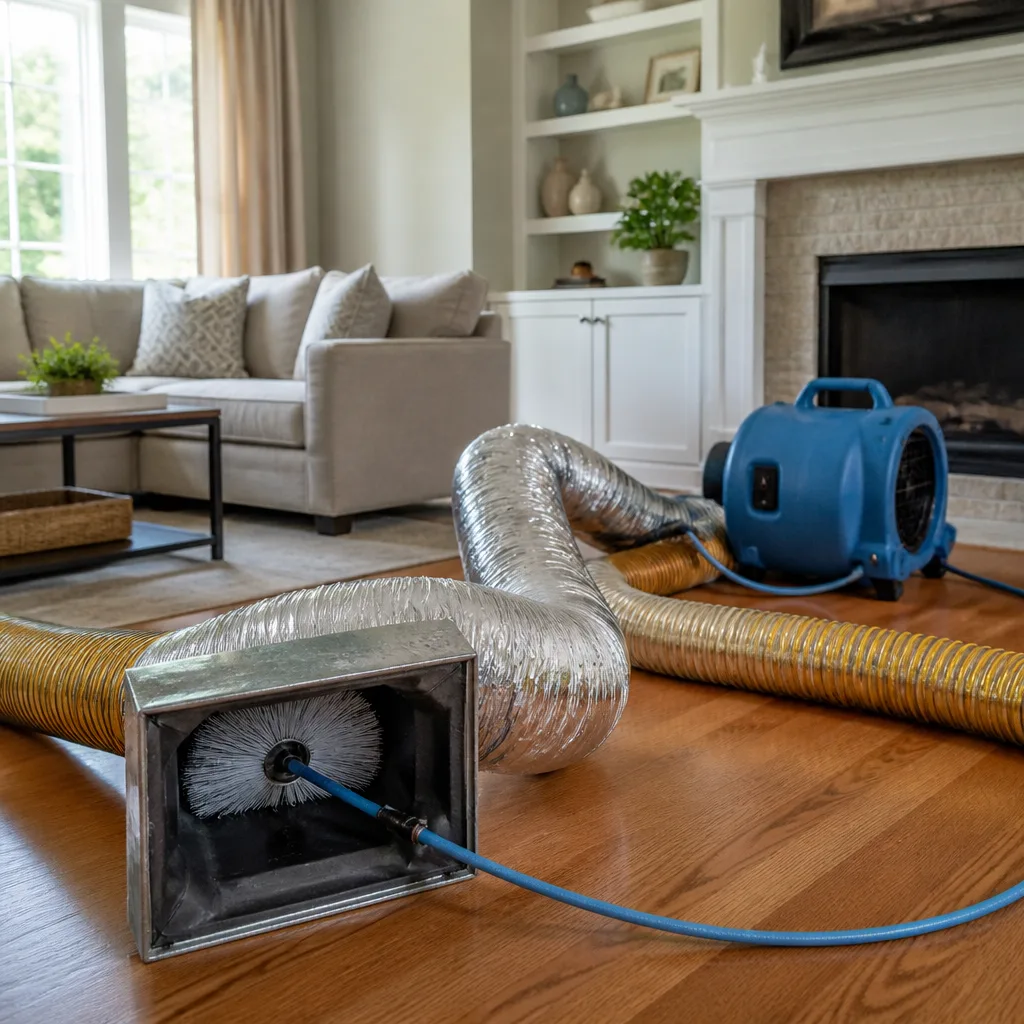 Whole-home duct cleaning
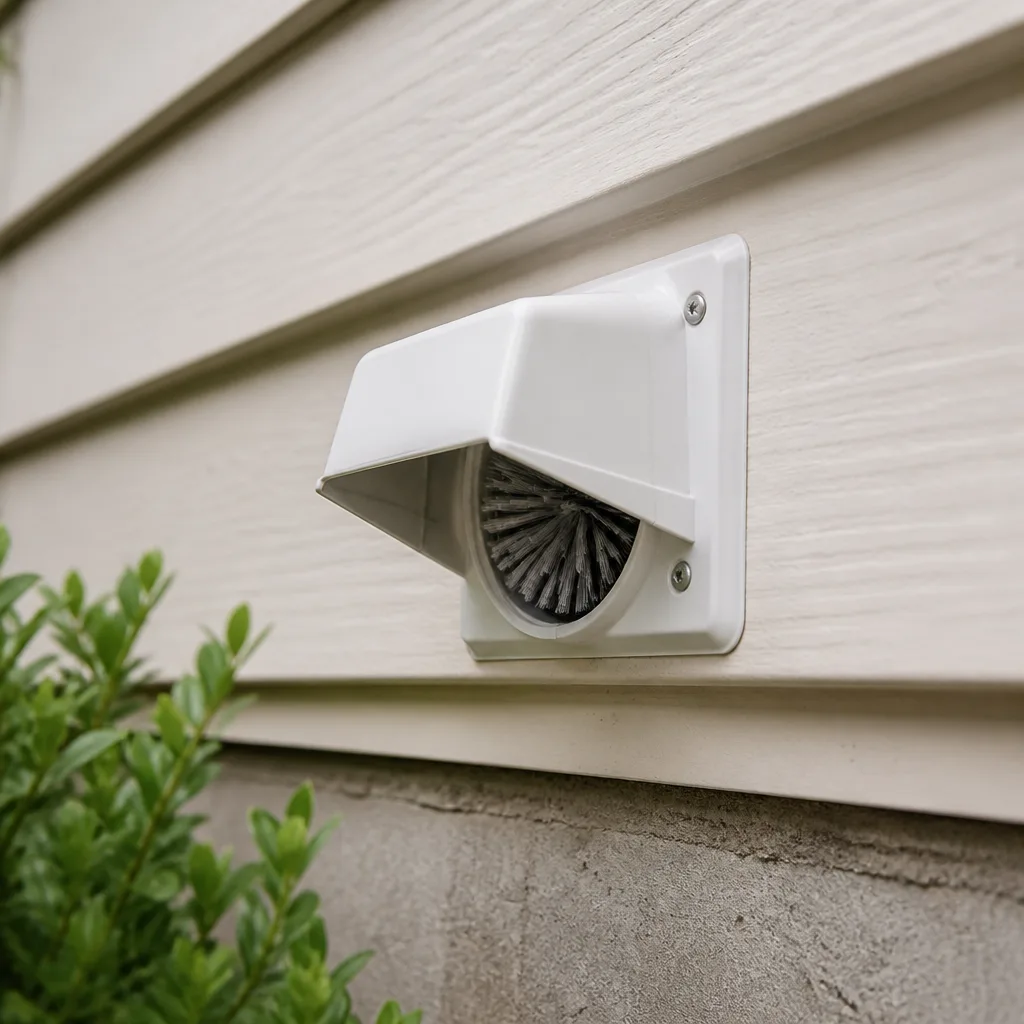 Dryer vent cleaning
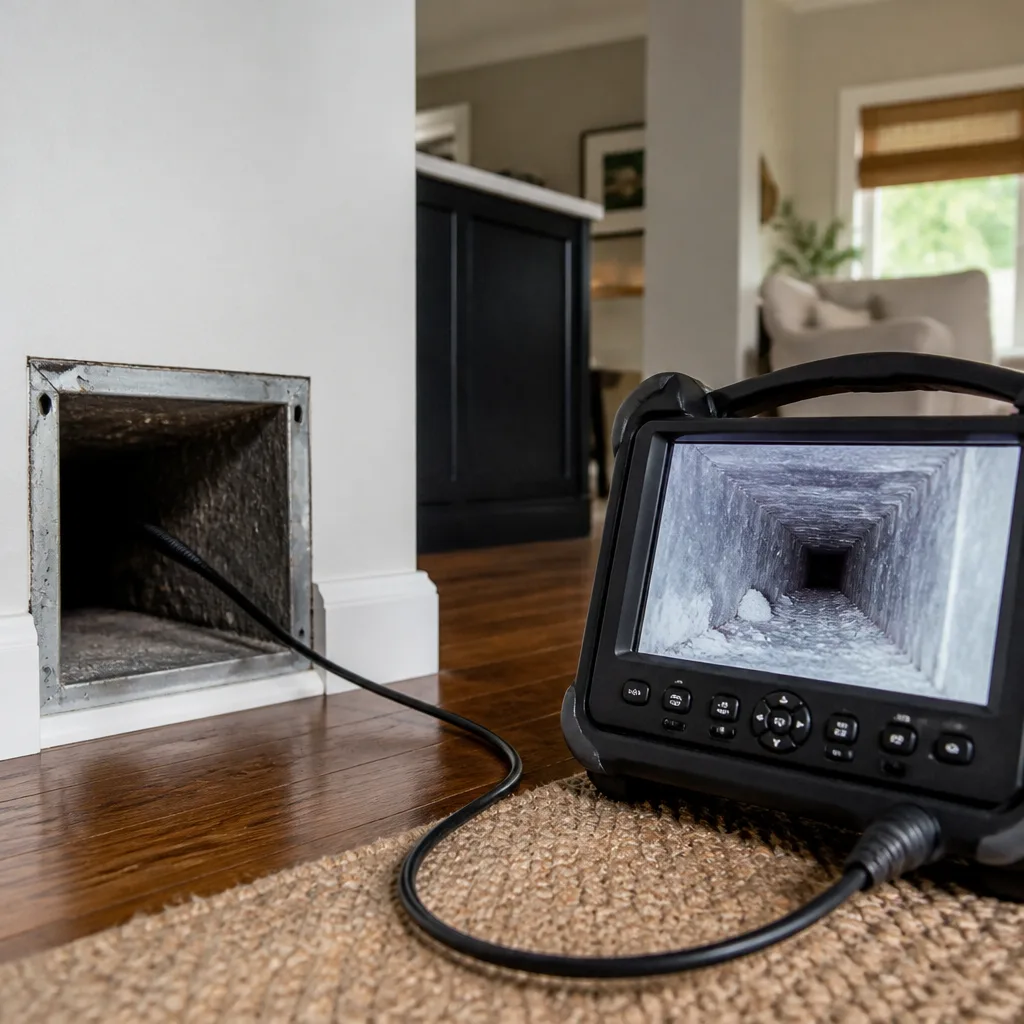 Camera inspection
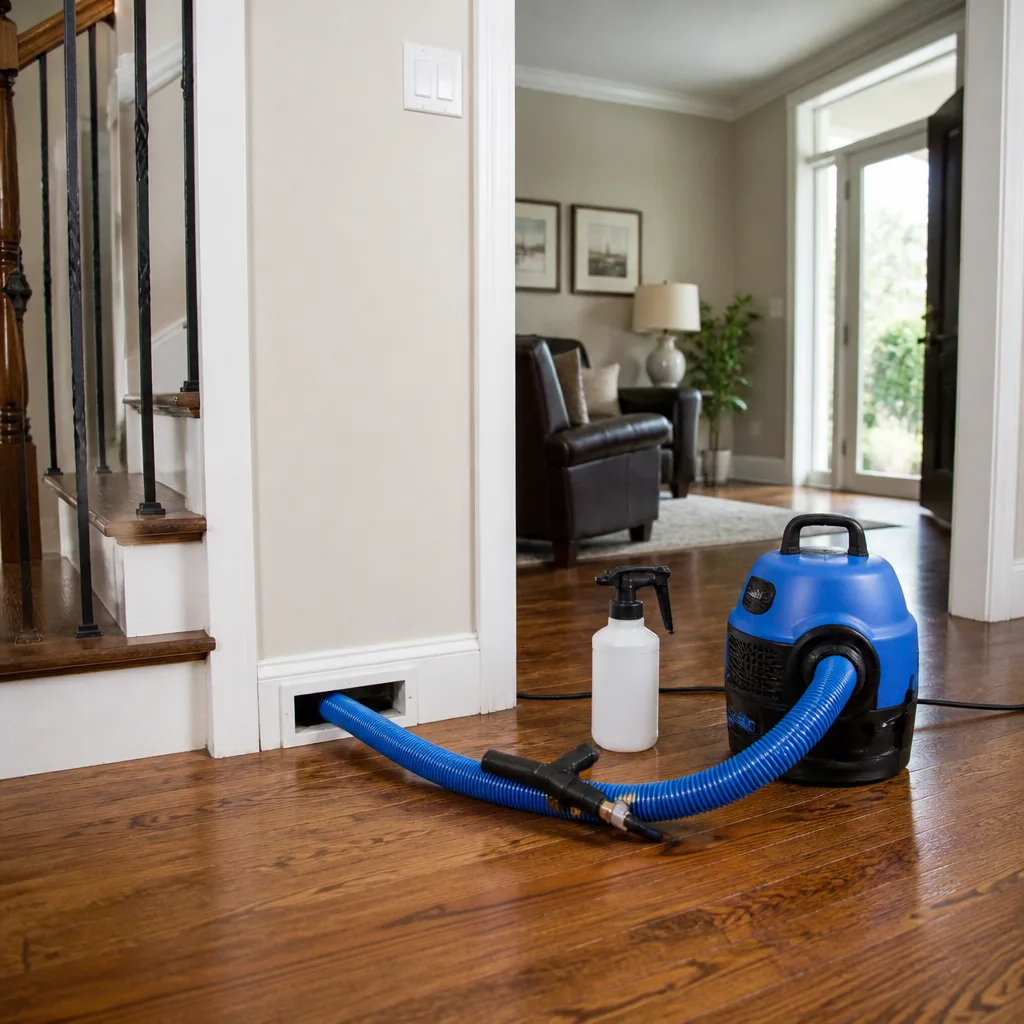 Sanitizing & deodorizing
Whole-system duct and dryer vent check with before-and-after photos - you see exactly what came out of your vents
That "$99 whole-house special" is a bait ad - the real number appears once they are in your hallway, or the "clean" is a shop-vac at the register. We photograph the inside of your ducts before and after instead.
Seasonal Air Duct Cleaning Care for Joliet: Year-Round Homeowner’s Guide
Most homeowners schedule duct cleaning when the calendar says so, not when the house says so. Booking in January because “it’s been a while” means you’re cleaning after the quiet season instead of before the dirty one. In Joliet, the heaviest particulate load lands between April and October, when pollen, humidity, leaf debris and renovation dust all push through the same duct system. This guide maps every care task to the season that actually creates the risk, so you clean at the moment it counts and skip the maintenance theater that doesn’t.
Styles & brands we work with
- Whole-home duct cleaning
- Dryer vent cleaning
- Camera inspection
- Sanitizing & deodorizing
Quick Answer
The best time to schedule professional duct cleaning in Joliet is early fall, just before the furnace starts running continuously. That timing removes summer humidity residue and captures the year’s accumulated debris before it gets baked into warm air all winter. Spring inspection and a mid-winter filter check complete a three-touch annual rhythm that matches how homes in this climate actually breathe.
Table of Contents
- Why Seasonal Timing Matters More Than Frequency
- Spring: Post-Heating-Season Inspection
- Summer: Humidity Inside the Duct System
- Fall: The Highest-ROI Cleaning Window
- Winter: Renovation Season and Particulate Control
- Building Your Joliet Duct Care Calendar
- What Professional Equipment Actually Changes
- Common Mistakes to Avoid
- When to Call a Professional
- Frequently Asked Questions
Why Seasonal Timing Matters More Than Frequency
Duct systems don’t collect dust at an even rate. They collect it in bursts tied to what the house is doing and what the weather is doing outside. A Joliet home that runs heat from November through March, then air conditioning from June through September, cycles different air volumes through the same channels with different moisture content each time. Timing a cleaning to that rhythm does more for indoor air than cleaning twice as often on a fixed schedule.
Think about what each season deposits:
- Spring: Soot and fine combustion residue from a winter of furnace operation, plus humidifier scale that flakes into supply runs.
- Summer: Pollen pulled in through the return, and moisture that condenses on cold interior duct surfaces.
- Fall: Leaf debris, harvest dust from surrounding agricultural land, and the first big loading of the year heading into heating season.
- Winter: Drywall dust and paint aerosols from indoor renovation, since nobody’s opening windows in January.
The goal isn’t to clean four times a year. It’s to clean once at the moment of maximum load and inspect at the moments when a specific risk spikes. For most Joliet homes, that’s one full professional cleaning in early fall, a visual inspection in spring, and a filter check mid-winter. That rhythm tracks the actual dirt.
Spring: Post-Heating-Season Inspection
Spring is inspection season, not necessarily cleaning season. The furnace has just finished months of continuous operation, and the system carries the evidence of that run. A technician looking at the right places in April or May catches problems while they’re still cheap to fix.
What a spring inspection should focus on
- Heat exchanger soot migration. A furnace that’s been burning all winter can push fine soot past the heat exchanger into the supply plenum. Any dark residue at the plenum connection is worth a closer look, and a cracked heat exchanger is a safety issue that belongs to an HVAC technician, not a duct cleaner.
- Humidifier scale in supply ducts. Whole-home humidifiers running through dry winter months leave mineral scale that can flake off into the airstream. That scale shows up as white dust on registers and in supply runs.
- Filter bypass from winter’s high static demand. A furnace working hard all winter pulls air around a poorly seated filter rather than through it. Check the filter slot for gaps and dust trails at the edges. Bypass means unfiltered air is reaching the coil and the ducts.
- Return air grille loading. The returns closest to the floor collect the most winter debris. Pop the grilles and look.
Spring is also when we see the aftermath of a winter’s worth of running a system hard. If the inspection turns up visible dust buildup inside the ducts, damaged flex runs, or disconnected joints, that’s the moment to book service. Catching a disconnected duct in April costs far less than catching it in November when the heat is back on and the whole house is pulling from an unconditioned crawl space.
Summer: Humidity Inside the Duct System
Summer in Joliet brings the one condition that turns ordinary dust into a real air quality problem: moisture. Air conditioning cools the airstream, and cool air holds less water vapor than warm air. Where that cooled air meets a duct surface below the dew point, condensation forms. On a metal duct run through a humid space, that happens routinely.
Condensation itself isn’t the problem. What grows in it is. Mold needs three things: moisture, a food source, and the right temperature. Duct interiors supply the food (dust, skin cells, pollen) and sit in a temperature range mold likes. Add persistent condensation and you’ve built the third condition.
What to watch for in a Joliet summer
- Musty odor when the AC starts. A smell that fades after a few minutes often means biological growth on the evaporator coil or the first few feet of supply duct.
- Water staining or rust at duct joints. Both point to condensation that isn’t draining away.
- Poorly sealed ducts in unconditioned spaces. An attic or crawl space run in July is a humidity pump. Every leak pulls wet air into the system.
- Excessively high indoor humidity. If the house sits above 60% relative humidity with the AC running, the system is either oversized, short-cycling, or losing conditioned air through leaks.
If you find mold growth on duct surfaces or smell it consistently, that’s a containment job, not a routine cleaning. Abatement Technologies equipment lets us set up negative-pressure containment so spores don’t spread through the house during removal. We also work with whole-home filtration systems from Honeywell and Aprilaire, which keep humidity and particulate load in check once the source problem is handled. If the ducts are clean and mold keeps returning, the fix is filtration and humidity control, not another cleaning.
Fall: The Highest-ROI Cleaning Window
If you book one professional cleaning a year, book it in early fall, before the furnace starts running continuously. This is the single highest-value window on the Joliet calendar, and the logic is straightforward. You’re removing a full year’s accumulated debris right before the system starts pushing warm air through it for five months straight.
Cleaning in fall captures four things at once:
- A summer’s pollen load that came in through the returns while windows were open and the AC was cycling.
- Any biological growth or spores that started during the humid months, removed before the furnace distributes them through a closed house.
- Fall debris from leaf litter and harvest dust that migrates in through outdoor intakes and gaps.
- Year-round settled dust from ordinary living, which has had months to accumulate and compact.
What a technician should check before heating season
- Every supply and return run for visible buildup and joint integrity.
- The blower compartment and evaporator coil for dust loading.
- Duct connections in attics and crawl spaces, where fall temperature swings cause the most movement.
- The filter and its housing for correct fit and no bypass.
- Dryer vent condition, since lint buildup is a leading cause of residential structure fires and fall is when people start running the dryer harder in a closed house.
Fall cleaning is also when duct repair gets handled efficiently. Our air duct cleaning service runs alongside air duct repair, so a disconnected flex run or a crushed section found during cleaning gets fixed on the same visit rather than sitting until spring.
Winter: Renovation Season and Particulate Control
Winter is when Joliet homeowners renovate. The basement project, the bathroom refresh, the kitchen cabinet job. All of it happens indoors in winter because the weather outside is hostile and the house is closed up. The result is drywall dust, paint aerosols and construction particulate with nowhere to go but into the HVAC system.
Why winter renovation is hard on ducts
- Drywall cutting generates gypsum-fine dust that passes through most standard filters and settles in ducts.
- Paint aerosols from sprayers and roller work stay airborne long enough to be pulled into returns.
- The house is sealed, so there’s no fresh air exchange diluting the load.
- Every bit of that particulate gets picked up again and redistributed once the furnace runs.
The mid-season filter check
If you’re mid-renovation in January, check the filter monthly and swap it when it’s loaded. A filter that’s saturated with drywall dust stops filtering well and, worse, can shed its collected load back into the airstream. Tape plastic over the supply registers and shut the return nearest the work zone during the dustiest phase, then clean the filter housing and vacuum the grilles when the work is done.
Once the project wraps, book a cleaning if it was a substantial renovation. Drywall dust that reaches the ducts doesn’t leave on its own, and it’s the kind of fine, abrasive particulate that damages blower bearings over time. A filter upgrade matters here too: a properly fitted whole-home filter sized for your Honeywell or Aprilaire system catches far more of this than a bargain-bin 1-inch filter ever will.
Building Your Joliet Duct Care Calendar
Here’s the practical version. Map these tasks to the year and stop guessing:
- April (spring inspection): Open the returns, check filters and filter slots, look for soot at the plenum, inspect humidifier and plenum surfaces for scale. Book service if buildup is visible.
- June (summer watch): Note any musty odor at AC startup, check for water staining at duct joints, confirm a proper filter is seated. If you smell mold, call for an assessment.
- September (fall cleaning): Book the full professional cleaning and inspection. This is the anchor visit of the year. Handle any duct repair discovered in the same visit.
- December (dryer vent): Book dryer vent cleaning if it’s been a year or more, and especially before the closed-window months. Lint accumulation is a fire risk and winter is when people run dryers hardest.
- January or February (mid-winter filter check): Swap the filter, vacuum grilles, and schedule a post-renovation cleaning if you’ve done significant indoor work.
That’s one full professional cleaning, one inspection, one dryer vent service and a couple of filter swaps. The intervals aren’t arbitrary; they sit on the front edge of the seasons that create each risk. A home with pets, a recent renovation, or a smoker moves to a tighter rhythm. A clean, ducted house with no pets or renovations can stretch the fall cleaning to every other year if inspections stay clean.
What Professional Equipment Actually Changes
The reason seasonal timing works is that the cleaning done at each window actually removes what accumulated. That depends on equipment. A shop vac pushed into a register doesn’t clean a duct, and a low-powered truck mount that just pulls air through the system leaves the settled layer on the walls where it is.
We run Rotobrush rotary brush systems that physically contact and agitate the duct interior, paired with Nikro HEPA-rated vacuum equipment that captures the loosened particulate instead of redistributing it into the house. That combination, the same platform commercial duct contractors use, is what makes a fall cleaning a real reset rather than a cosmetic gesture. When a cleaning turns up something beyond dust, such as damaged flexture runs, disconnected joints or crush damage, duct repair sits on the same service menu so it gets fixed during the same appointment.
For homes with allergen, mold or contaminant concerns, Abatement Technologies containment equipment on hand means we can manage the removal without spreading spores through living space. We also know the Honeywell and Aprilaire whole-home filtration systems well enough to work with them rather than around them, which matters if filtration is part of the long-term solution. Our technicians have up to 15 years of experience, and our Duct Cleaning Joliet team brings contractor-grade equipment to every visit rather than adapting a consumer tool to a professional job.
Common Mistakes to Avoid
- Cleaning in January because it’s “been a year.” Booking by the calendar instead of the season means cleaning after the dirty months instead of before them. Move the anchor visit to early fall and the intervals start working for you.
- Assuming a musty AC smell is normal. It isn’t. A smell at startup points to biological growth somewhere in the system, and another cleaning without addressing the moisture source won’t fix it. Find the humidity or leak problem first.
- Ignoring the return grilles during a renovation. Homeowners seal off supplies but forget the return nearest the work zone, which pulls construction dust straight into the ducts. Tape or shut it, and swap the filter as the work progresses.
- Using the cheapest filter available as a permanent solution. A 1-inch bargain-bin filter catches larger debris and little else. If your system has a Honeywell or Aprilaire filter housing, use the correct filter for it and change it on schedule.
- Skipping the dryer vent because the laundry still dries. A dryer still works with a partially clogged vent, which is exactly why lint fires happen. Lint buildup is a leading cause of residential structure fires, so this one is a safety task, not a comfort add-on.
- Treating cleaning as the whole job. If a cleaning reveals a disconnected or crushed duct in a Joliet attic, cleaning alone leaves the problem in place. Ask upfront whether the provider repairs ductwork, or you’ll be calling a second contractor.
- Letting a renovation go without a post-project cleaning. Drywall dust settles deep and gets pulled back into circulation all winter. If the project was substantial, clean afterward.
When to Call a Professional
Some duct work belongs to the homeowner, some doesn’t. Filter swaps, grille vacuuming and grille inspection are all reasonable to handle yourself. The following situations call for a professional assessment: a musty odor when the AC or furnace starts, visible dust buildup on supply or return registers that reappears within weeks of cleaning, a recent renovation that generated substantial drywall dust, a dryer that takes noticeably longer to dry a load or gets hot to the touch, mold visible on any duct surface, or damaged and disconnected ductwork discovered in an attic or crawl space. Any of these is a reason to get a trained set of eyes on the system.
Duct Cleaning Joliet offers free estimates in Joliet and the surrounding area. Call (833) 734-7685 to book an assessment. We answer 24/7. Fast dispatch from 7am to 7pm, Sunday through Friday. A call outside dispatch hours is booked into the next opening. The written estimate sets the final price per job, and we agree on one flat price per system before any work starts.
Frequently Asked Questions
Most Joliet homes should get a full professional cleaning every one to three years, timed to early fall. Homes with pets, smokers, recent renovations or allergy concerns sit at the annual end of that range. A spring inspection between cleanings tells you whether the interval needs tightening. Call (833) 734-7685 for an exact quote; estimates are free.
Fall is the highest-return window because you’re removing summer humidity residue, pollen and accumulated debris right before the furnace runs continuously for five months. Cleaning in spring leaves a full year of heating-season soot in the system through the next summer. The season matters more than the frequency. Call (833) 734-7685 to schedule a fall visit.
Duct cleaning is priced per system, not per vent, and the written estimate sets the final price before work starts. We won’t quote a coupon figure over the phone and then change the number on site, which is the bait-and-switch pattern this trade is known for. Call (833) 734-7685 for an exact quote; estimates are free.
Cheap quotes usually mean low-powered equipment that doesn’t agitate the settled layer, or a per-vent price that balloons once the technician is on site. A real cleaning uses rotary brushes and HEPA-rated suction, and it’s priced as one flat rate per system. If a quote can’t tell you what equipment it uses, that tells you something. Call (833) 734-7685 for a straight answer.
Ask for before-and-after photos of your own ducts, not stock images. We supply them on every job, and we’ll show you what the inside of the system looked like before and after the cleaning. Call (833) 734-7685 to book and see the photos for yourself.
Yes. Air duct repair is one of our three services, so a disconnected or crushed run found during a cleaning gets handled on the same visit instead of requiring a second contractor. That’s the reason we keep repair on the menu rather than treating cleaning as a standalone task. Call (833) 734-7685 to book a cleaning and inspection.
The Bottom Line
The seasonal logic is simple: clean before the dirt, not after. For Joliet homes, that means a full professional cleaning in early fall, a spring inspection focused on heating-season residue, summer vigilance around humidity and mold, and a mid-winter filter check during renovation season. Add dryer vent cleaning to the annual list as a fire-safety task. The intervals aren’t set by a coupon calendar; they track the actual loading pattern of a four-season climate. One properly timed cleaning with contractor-grade equipment beats three arbitrary ones. Call (833) 734-7685 for a free estimate for your Joliet home. We answer 24/7. Fast dispatch from 7am to 7pm, Sunday through Friday. A call outside dispatch hours is booked into the next opening.
Written by the team at Duct Cleaning Joliet.
See the difference
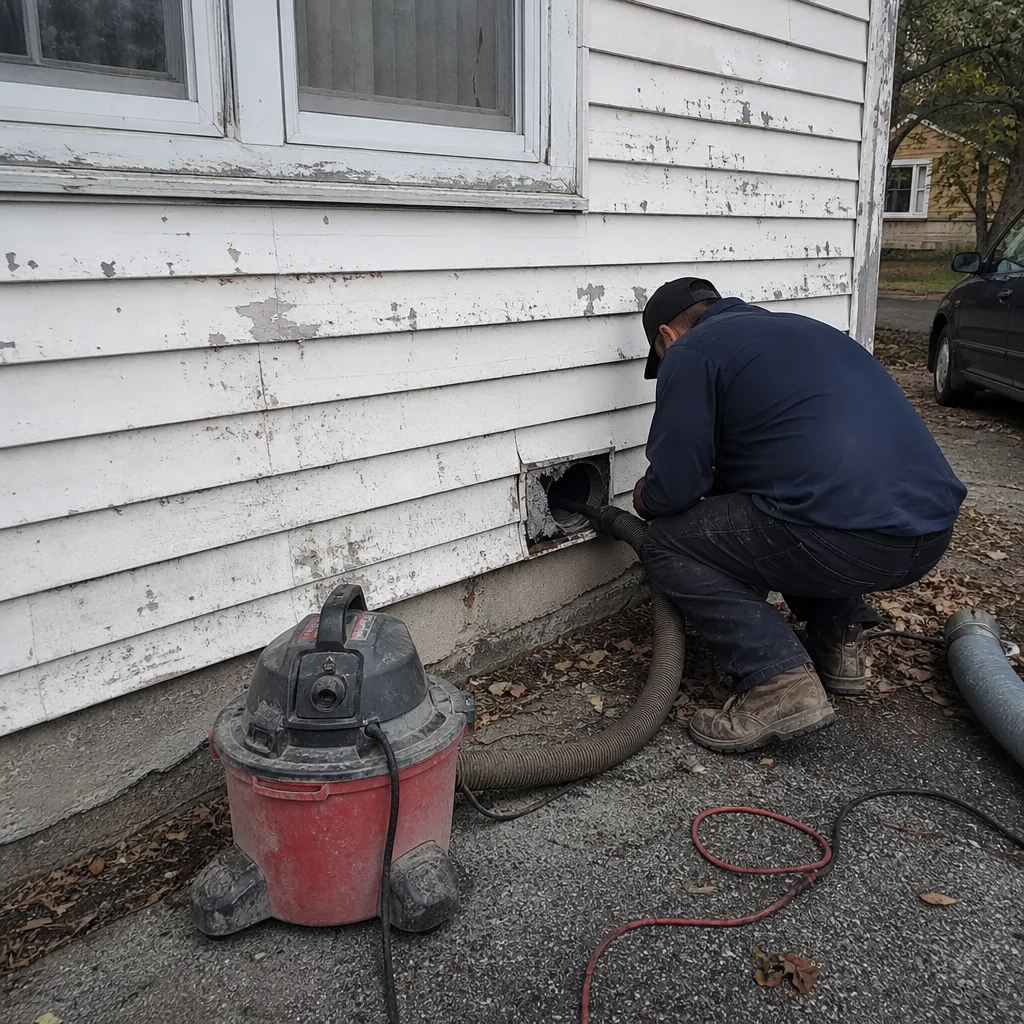 Before
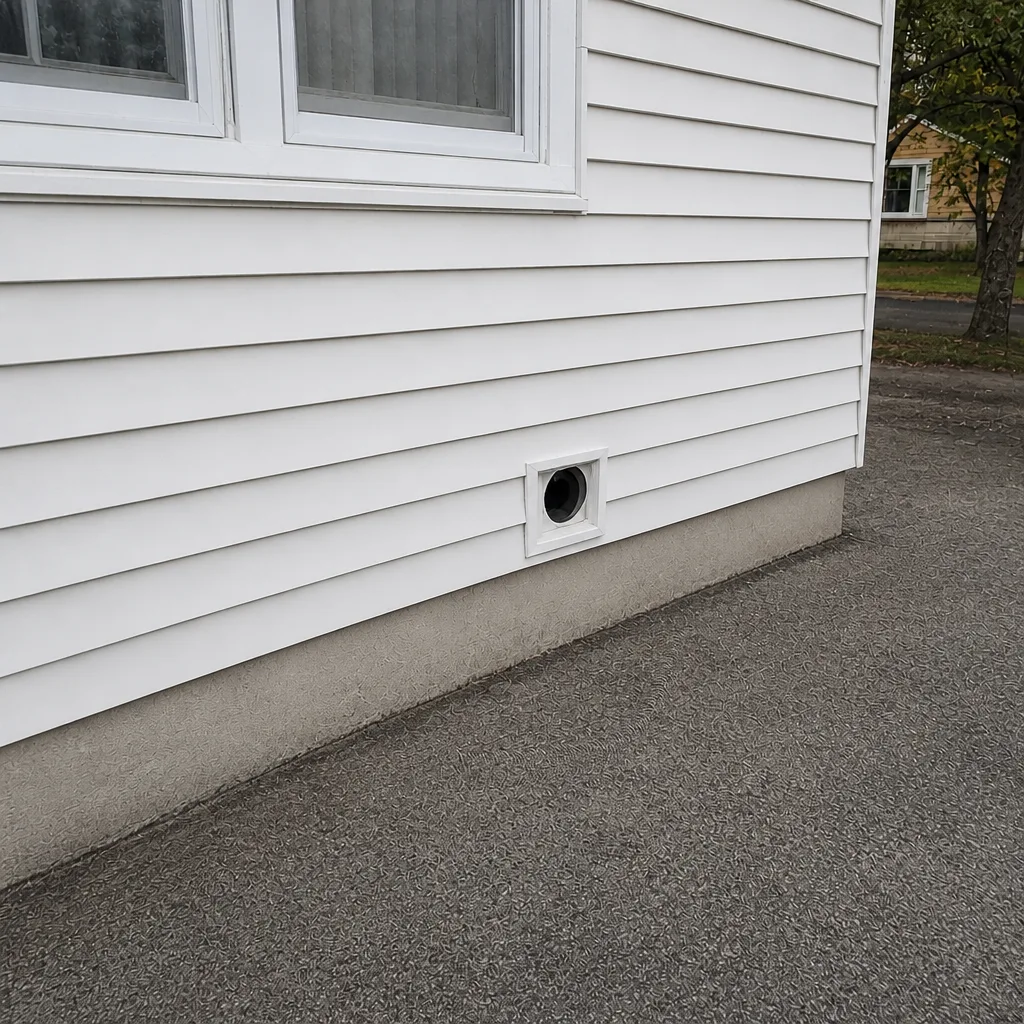 After
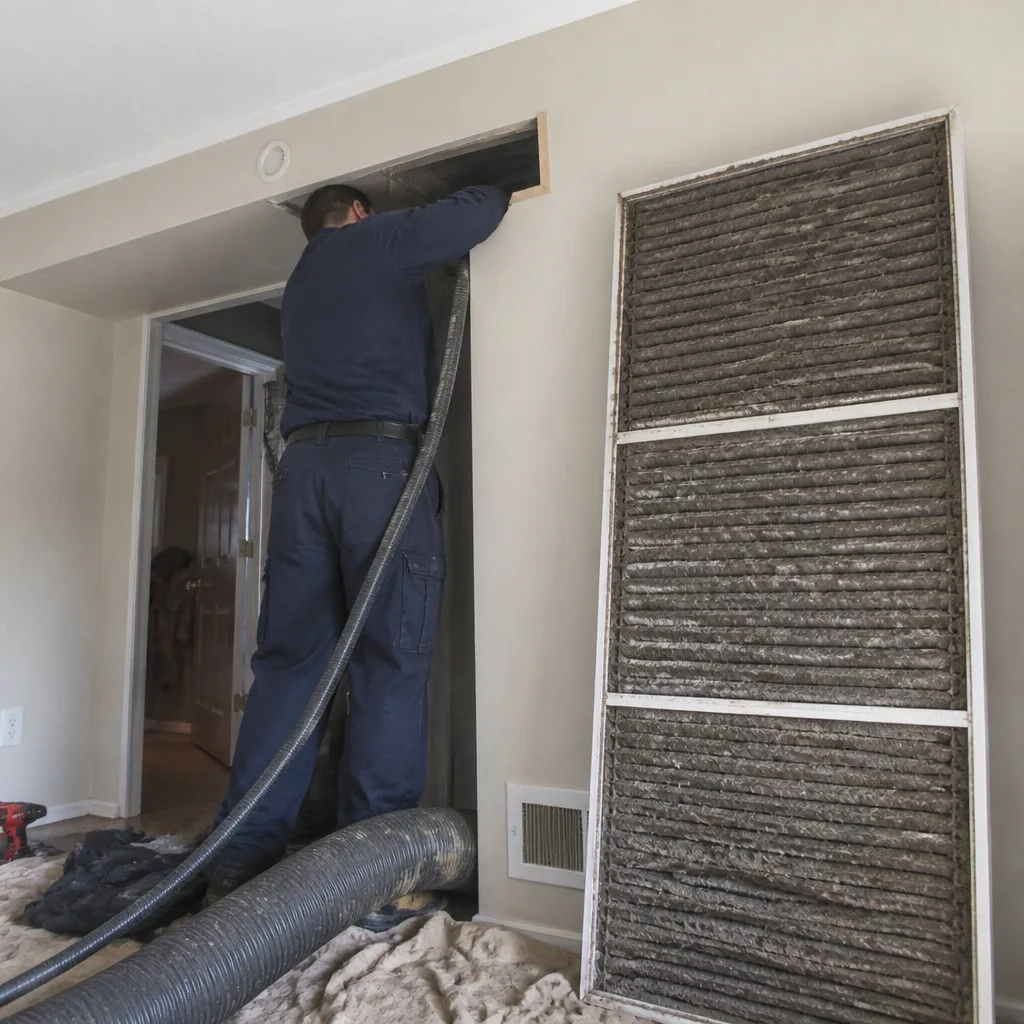 Before
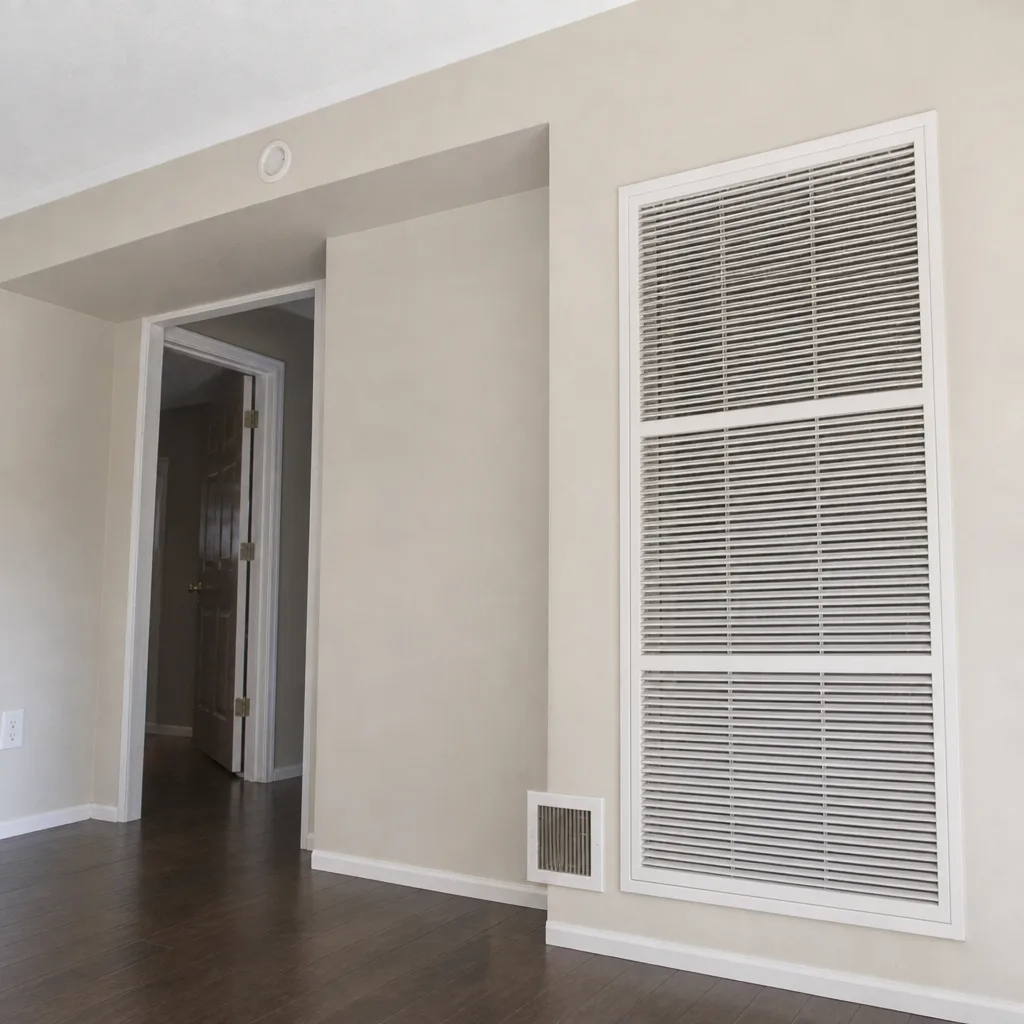 After
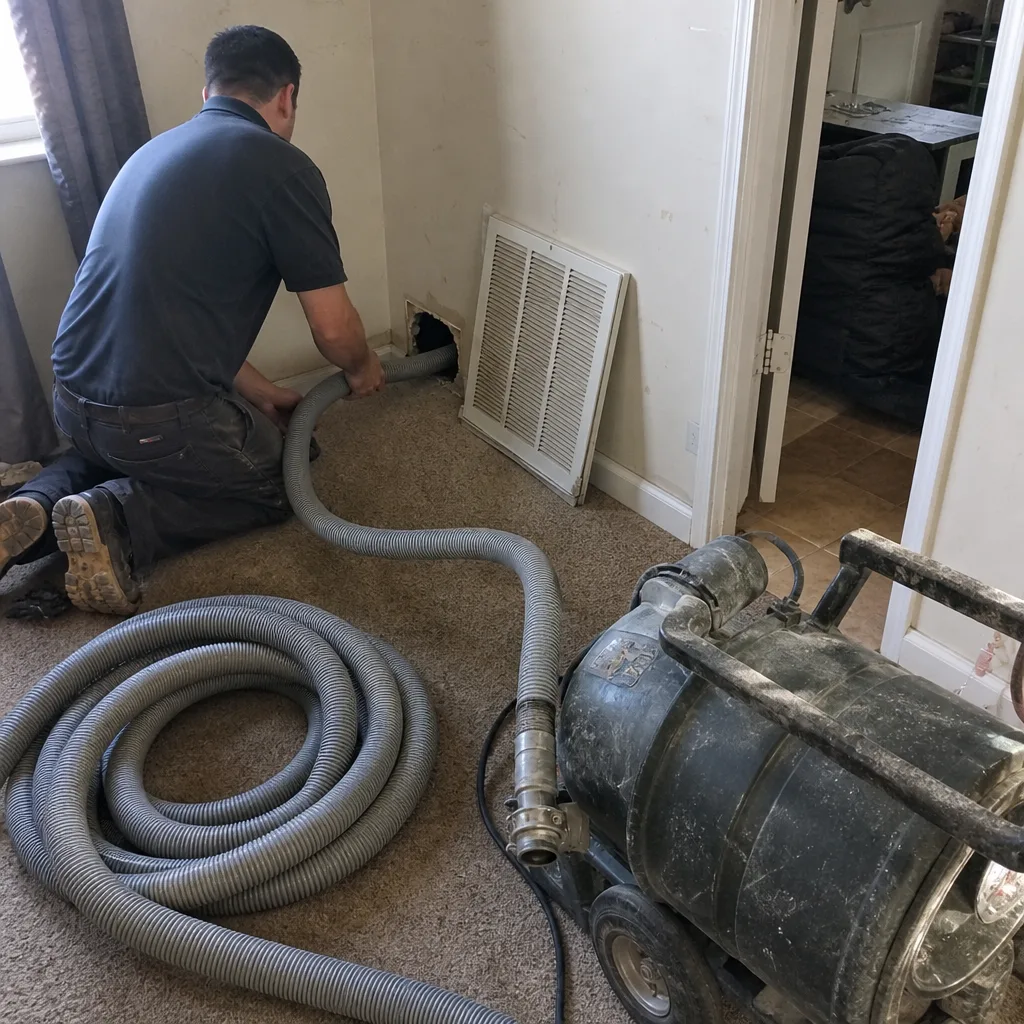 Before
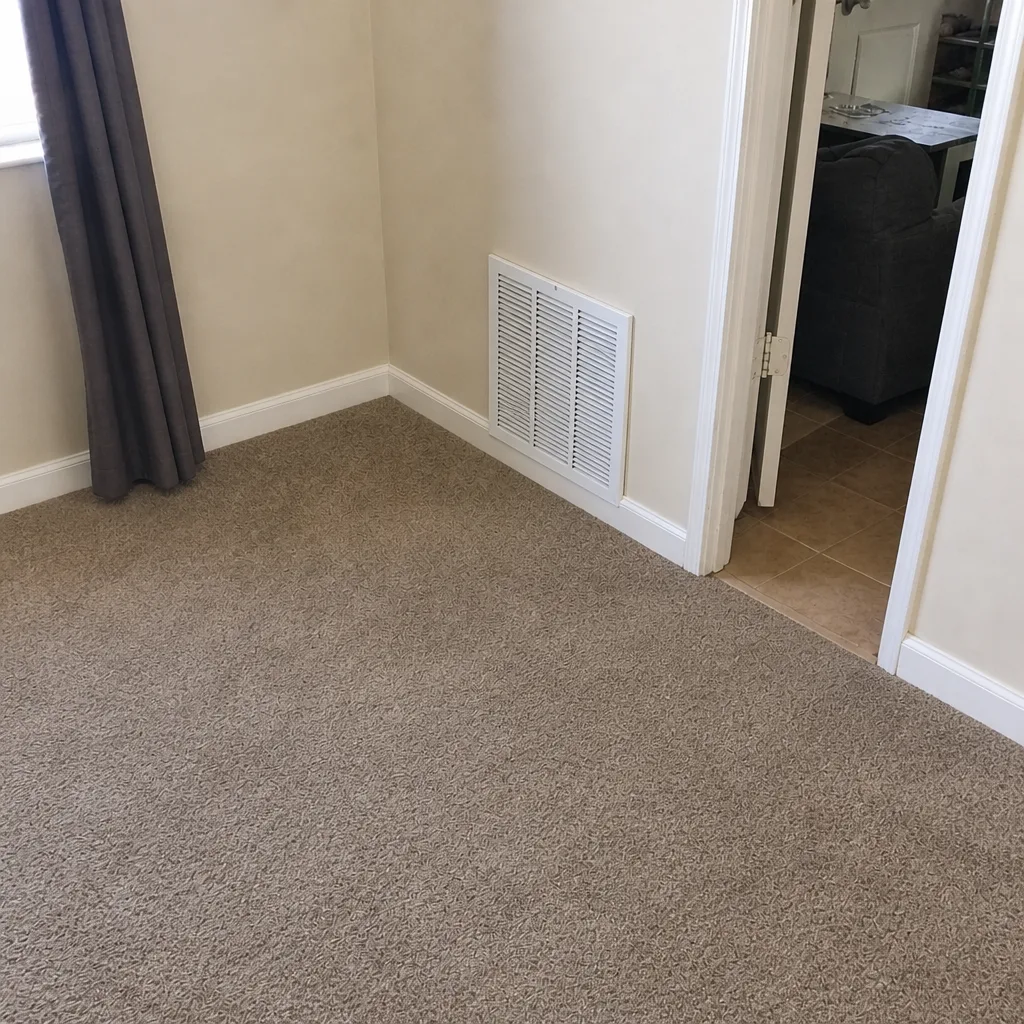 After