
Last updated November 15, 2026
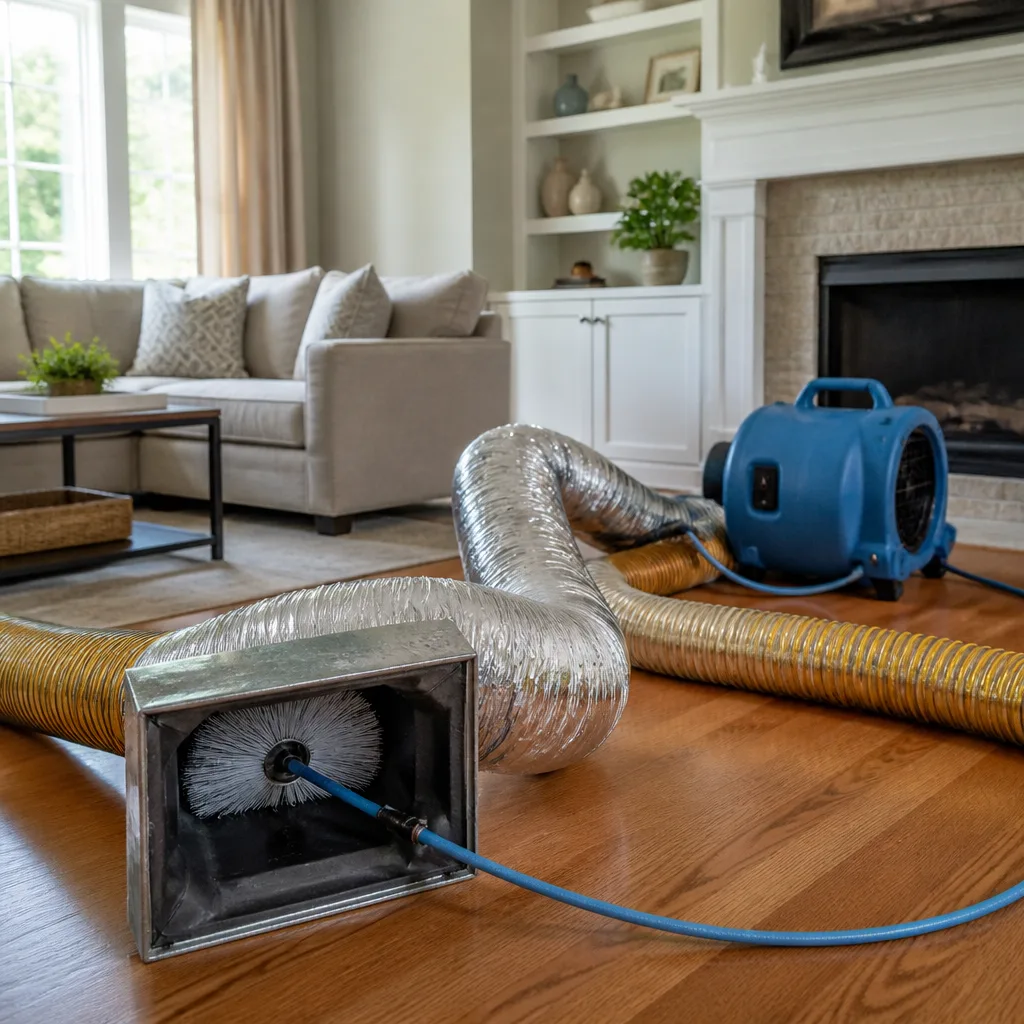 Whole-home duct cleaning
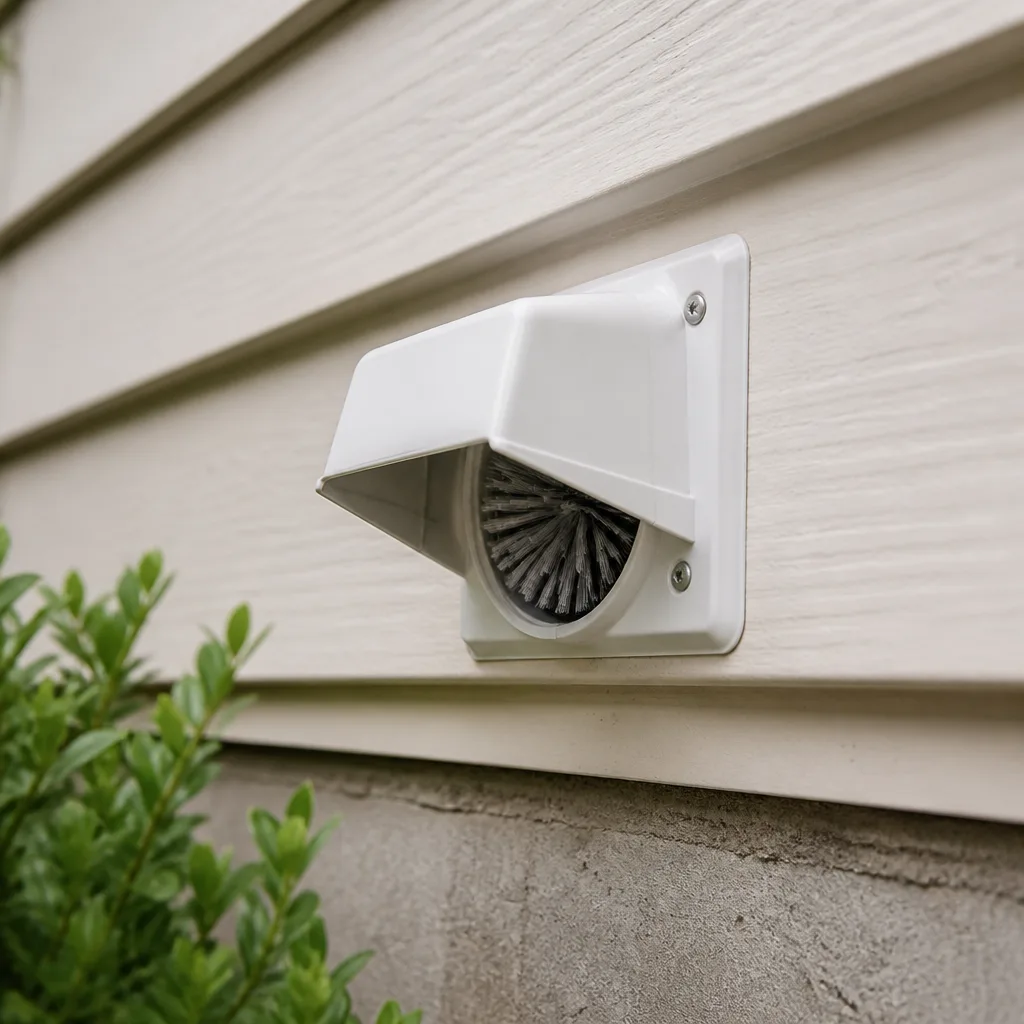 Dryer vent cleaning
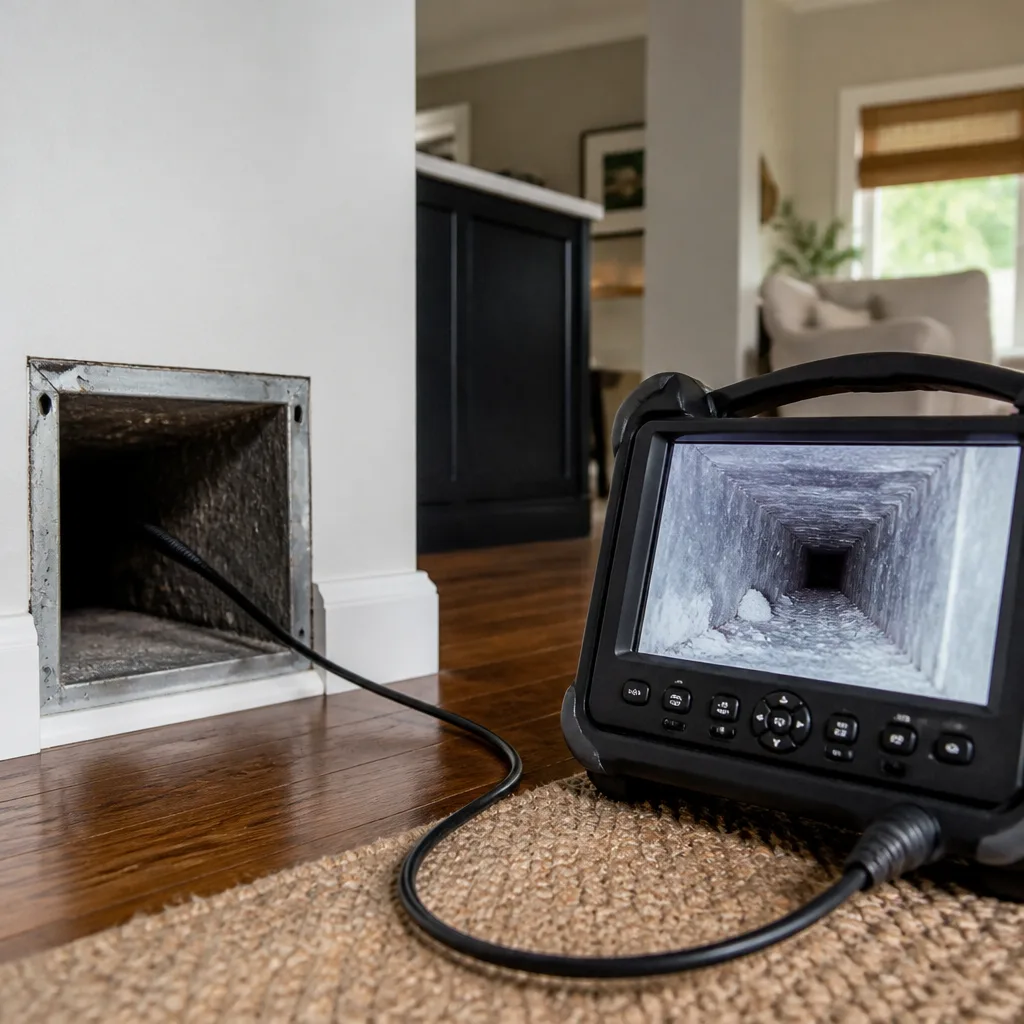 Camera inspection
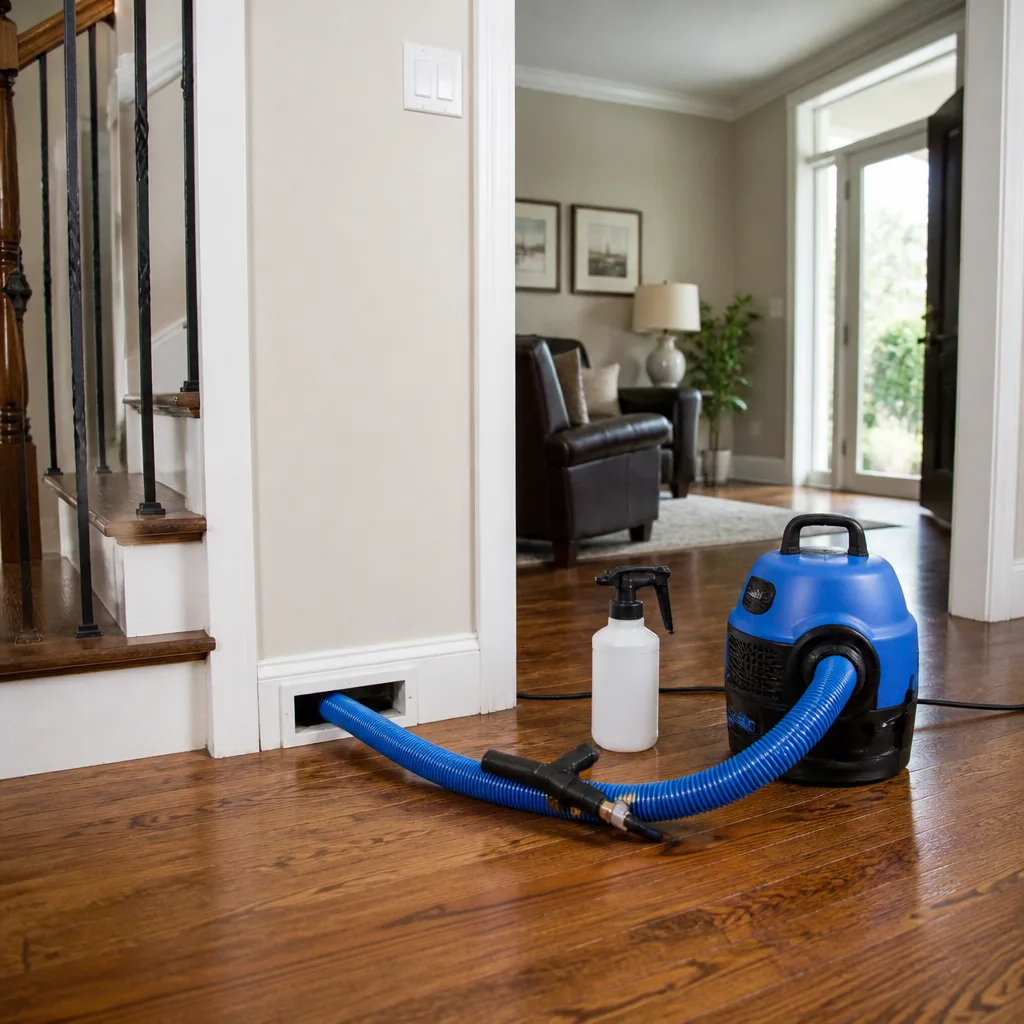 Sanitizing & deodorizing
Whole-system duct and dryer vent check with before-and-after photos - you see exactly what came out of your vents
That "$99 whole-house special" is a bait ad - the real number appears once they are in your hallway, or the "clean" is a shop-vac at the register. We photograph the inside of your ducts before and after instead.
Air Duct Cleaning Cost Breakdown: The Joliet Homeowner’s Reference for 2026
The $150 quote and the $650 quote for the same 2,000-square-foot home are not the same job with different profit margins. They are, in most cases, genuinely different services performed with different equipment, different access strategies, and different definitions of what “clean” means. A low quote often covers a handful of registers and a shop-vac-grade vacuum; a higher one covers the whole trunk-and-branch system with contractor-grade suction and rotary agitation. Neither number is automatically fair or unfair until you know what sits underneath it. This guide breaks down every cost component in a Joliet duct cleaning quote so you can read one like an informed buyer instead of a price-shopper, and it gives you the honest 2026 fair-price range for a typical single-family home here.
Quick Answer
A whole-system air duct cleaning in Joliet typically costs $350 to $650 for a standard single-family home, with most jobs landing near $450 to $550 when the system has not been cleaned in several years. Simple homes with easy access and few runs can come in closer to $300, while larger houses, multi-system homes, or jobs with heavy debris and damage push toward $900. A separate dryer vent cleaning usually runs $125 to $225. The written estimate you receive before any work starts is the final price.
Styles & brands we work with
- Whole-home duct cleaning
- Dryer vent cleaning
- Camera inspection
- Sanitizing & deodorizing
Table of Contents
- Why Two Quotes for the Same House Can Differ by $500
- What Actually Drives the Cost: Registers, Linear Footage, and Access
- How Equipment Sets the Pricing Floor
- Add-On Pricing Decoded: Sanitizer, Deodorizer, and Mold Treatment
- Dryer Vent Cleaning as a Separate Line Item
- What a Fair 2026 Price Looks Like in Joliet
- How to Evaluate a Quote Before You Book
Why Two Quotes for the Same House Can Differ by $500
Two contractors walk into the same Joliet house and quote $150 and $650. The homeowner understandably wonders which one is gouging. In our experience, the gap almost always traces to one of four things: pricing model, equipment class, scope of work, and what happens if damage is found.
The first variable is the pricing model itself. Some contractors charge per register, others charge by linear footage of ductwork, and still others quote a flat whole-system price. On the same 2,000-square-foot house these models can produce wildly different totals because they measure different things. That one difference alone accounts for much of the spread.
The second is equipment class. A legitimate contractor running a Nikro HEPA-rated vacuum and a Rotobrush rotary brush system is covering real overhead: equipment purchase, maintenance, filter replacement, and the labor hours a proper job takes. A generalist with a consumer shop vac and a long hose is not. The two are not performing the same service even if the invoice line reads the same.
The third is scope. Does the quote cover every supply and return, the trunk line, the air handler, the blower compartment, and the registers themselves? Or does it cover “the ducts” with a vague wave of the hand? The fourth is repair readiness: whether damage uncovered mid-job gets fixed on the same visit or deferred to a second contractor who will bill separately.
None of this is a reason to automatically distrust cheap quotes. It’s a reason to ask what each quote includes before assuming the higher one is padding and the lower one is a bargain.
What Actually Drives the Cost: Registers, Linear Footage, and Access
The single most overlooked pricing question in duct cleaning is whether you are being quoted per register or by linear footage. These two models produce very different totals on the same house, and understanding which one a contractor uses tells you what you are actually buying.
Per-Register Pricing
Per-register pricing sets a fixed amount per supply and return vent, multiplied by the count in your home. It’s easy to quote and easy to compare, which is why it shows up in advertising. The weakness is that register count says nothing about the ductwork feeding those registers. Two homes could have the same number of vents with vastly different trunk runs, duct lengths, and debris loads. Per-register quotes are also where the notorious low teaser rates live: a “$99 whole house” figure usually applies to a small number of registers with easy access and excludes the truck, the trunk, and the air handler.
Linear Footage Pricing
Linear footage pricing measures the actual ductwork: each branch run, the trunk line, the returns, and the plenum above the air handler. It reflects the real labor and equipment time involved, which is why it produces a more honest total. It also means the price varies with the size and layout of the home, not just the vent count.
Access Point Count
Access is the third variable. Every duct run needs enough openings to reach the full interior of the pipe with a brush or hose. Homes with existing access panels clean faster and cheaper than homes where the contractor has to cut and later reskin access points. Service corridors, finished basements, and tight attic runs all affect the time on site.
The Variables in Plain Terms
- Number of supply and return registers: more vents, more work
- Linear footage of ductwork: the truest measure of effort
- Access points: existing panels versus newly cut openings
- Duct material and condition: flex duct cleans differently than rigid metal
- System size: single-zone versus multi-zone, one air handler or two
- Debris load: a system cleaned recently costs less than one neglected for a decade
When you get a quote, ask which model the price is built on. A contractor who can explain it clearly is one who knows what the work involves.
How Equipment Sets the Pricing Floor
There is a minimum viable price for a legitimate duct cleaning, and it is set by equipment, not by greed. A true whole-system clean requires two classes of tooling working together: a high-volume HEPA vacuum to put the entire duct network under negative pressure and capture what comes loose, and an agitation system to break debris free from the duct walls in the first place.
We run Rotobrush rotary brush systems for agitation. These are the same platform commercial duct contractors use: flexible rotary whips that scrub the full interior of a branch run, not just the surfaces a hose can reach. Paired with Nikro HEPA-rated vacuum equipment, the system pulls the loosened debris into a sealed collection unit rather than blowing it back into the living space. For allergen, mold, or contaminant containment jobs, we bring Abatement Technologies equipment to keep the job contained.
Compare that to the low-end setup: a consumer shop vac duct-taped to a hose, a hand nozzle, and a promise. The equipment cost to own and maintain the contractor-grade setup is real. Filters get replaced. Brushes wear out. Hoses and whips are consumables. That overhead partly explains why a legitimate whole-system clean cannot honestly be sold at $99.
What This Means for You
- A $99 to $150 quote for a full house should prompt the question: what equipment is being used, and what is actually covered?
- A proper job puts the whole system under negative pressure before anything is disturbed. Ask about that.
- Agitation matters as much as suction. A vacuum alone moves surface dust; a rotary brush removes the debris that has bonded to duct walls over years.
- Equipment compatibility matters if you have a whole-home filtration system. Our team works with Honeywell and Aprilaire systems rather than treating them as obstacles to clean around.
When the equipment is right, the price floor reflects that. When it’s wrong, you’re paying for a service that looks like cleaning without the outcome.
Add-On Pricing Decoded: Sanitizer, Deodorizer, and Mold Treatment
Add-ons are where a fair quote can quietly grow. Some are legitimate and worth having. Others are margin padding. The key is understanding when each one actually earns its place in the job.
Sanitizer / Antimicrobial Fogging
A sanitizing fog is worth considering when the system has had a moisture event, when there is a persistent musty smell, or when someone in the household has a documented sensitivity and the ducts have been cleaned but not treated. It is not routine maintenance and it does not substitute for physical cleaning. If your ducts are dry, clean, and odor-free, an antimicrobial fog is often unnecessary.
Deodorizer
Deodorizers mask smell; they don’t fix the source. If there’s an odor problem, the first step is finding out why. Debris, moisture, a disconnected run pulling air from a crawl space, or a filter that hasn’t been changed all cause smell. Fix the cause and the odor usually resolves on its own. A deodorizer as a stand-alone upsell on a clean system is margin padding.
Mold Treatment
Mold in ductwork is a real concern and a legitimate reason for a treatment protocol. But it requires a proper containment setup and equipment capable of handling the job, which is why Abatement Technologies gear is in our kit. “Mold treatment” sold as a spray-on add-on with no verification of mold in the first place is not a treatment; it’s a line item. If mold is suspected, ask how it will be identified and what containment is being used.
Rules of Thumb
- Cleaning first, treatment second, never the other way around.
- A legitimate add-on addresses a specific condition, not a general “wellness” pitch.
- If you have a Honeywell or Aprilaire whole-home system, ask how the treatment interacts with the media and equipment already in place.
- Demand itemized pricing on any add-on so you know the cost of each separately.
Add-ons that earn their place make the job better. Add-ons sold as a bundle at check-out usually exist to lift the average ticket.
Dryer Vent Cleaning as a Separate Line Item
Dryer vents belong on a separate line because they are a separate system with a different job. A dryer vent does not connect to your HVAC ductwork and does not benefit from the equipment used to clean it. It should be quoted on its own.
Dryer vent cleaning in the Joliet market typically runs $125 to $225, and the biggest price variable is the vent’s route and termination. A short, straight vent with a wall termination cleans quickly and inexpensively. A long run with multiple elbows, or a roof termination, takes more time, more equipment, and often more access work. Roof terminations can add meaningful cost because of the safety and setup involved. Length and routing, not the dryer brand, drive the number.
Why We Treat It as a Fire-Safety Service
Lint accumulation is a leading cause of residential structure fires. That’s not a scare line; it’s why dryer vent cleaning sits on the same service menu as duct cleaning. A clogged vent restricts airflow, the dryer runs hotter, and lint that collects in the run becomes the fuel. Clearing it completely – not just vacuuming the opening – is the point of the job. If you can’t remember the last time the vent was cleared, it’s been too long.
Why Bundling Has Real Value
- One visit, one access setup, one scheduling slot
- Shared equipment and labor reduce the combined total versus two separate appointments
- Any damage to the vent run gets identified while we’re already on site
- If drywall work is needed for access, it’s done once, not twice
If your air duct cleaning is already overdue, adding dryer vent cleaning to the same visit is usually the smarter budget move than booking them back-to-back weeks apart.
What a Fair 2026 Price Looks Like in Joliet
Fair pricing is a range, not a single number, because the variables above really do move the total. Here is how we’d map the Joliet market in 2026 for a typical single-family home. These are estimated ranges, not quotes; the written estimate you receive after the technician sees the system is the final price.
Whole-System Air Duct Cleaning
- Small home, easy access, cleaned recently: $300 to $400
- Standard single-family home, not cleaned in several years: $450 to $550
- Larger home or heavy debris / multiple systems: $550 to $900
Dryer Vent Cleaning
- Short run, wall termination, straightforward: $125 to $175
- Longer run, multiple elbows, or roof termination: $175 to $225
Air Duct Repair (when needed)
Repair pricing is job-specific because it depends on the length of the damaged run, the material, and whether new access is required. Disconnected flex runs, crushed ducts behind drywall, and leaking trunk joints are the three most common repair issues we see in Joliet homes. Any repair found during a cleaning is quoted separately before it’s done, on the same visit when possible.
What Should Not Be on Your Quote
- A per-vent price quoted as the whole job
- A teaser coupon that excludes the trunk, the air handler, and access
- Access charges added after the job starts
- A sanitizer or treatment line item with no stated condition justifying it
Any quote within the ranges above can be fair. Any quote outside them deserves a clear explanation of why.
How to Evaluate a Quote Before You Book
The fastest way to sort a fair quote from a baited one is to ask five specific questions on the phone before you book. A professional will answer them without deflecting.
- Is this quote per register or by linear footage, and what does it cover? A crisp answer tells you whether the trunk, air handler, and returns are included.
- What equipment do you use? You’re listening for a HEPA-rated vacuum and a rotary agitation system. A vague “we use professional equipment” without naming it is a flag.
- Do you take before-and-after photos? A legitimate contractor will show you the ducts as found and as finished. Ask for photos of the interior of at least one run.
- How is the price set? One flat price per system agreed before work starts is the model that protects you from surprise invoices. Per-vent teaser pricing that expands into add-ons is the model that doesn’t.
- Can you handle repair if you find damage? We can. Air duct repair is a core service, not a referral, which means a disconnected run uncovered mid-job gets fixed on the same visit rather than sending you to a second contractor.
Bring these questions to any quote, including ours. A fair price survives the questions; a baited one usually doesn’t.
Common Mistakes to Avoid
- Buying on the lowest advertised price. A $99 teaser usually excludes the trunk, air handler, and access. Ask what’s actually covered before you compare totals.
- Booking a per-vent quote without asking about linear footage. Two homes with the same vent count can have very different duct length. The per-vent price hides that difference.
- Skipping the air handler and blower compartment. Clean ducts feeding a dirty air handler put the debris back into the system on the first cycle. Confirm the quote includes them.
- Accepting a sanitizer or “mold treatment” upsell without a stated reason. Treatment without a diagnosed condition is margin padding. Cleaning comes first; treatment follows only if a specific issue is present.
- Treating the dryer vent as an annual afterthought. Lint accumulation is a leading cause of residential fires. If you don’t know when the vent was last cleared, add it to the same visit.
- Not checking for damage until the invoice arrives. Ask whether repair is a service the contractor can provide. If it isn’t, damage discovered mid-job becomes a second appointment with a second vendor.
- Ignoring local climate effects on duct debris. In Joliet, cold-season indoor heating and the summer cooling load both push air through the system for most of the year. Ducts here earn their buildup faster than you’d guess from a mild climate.
See the difference
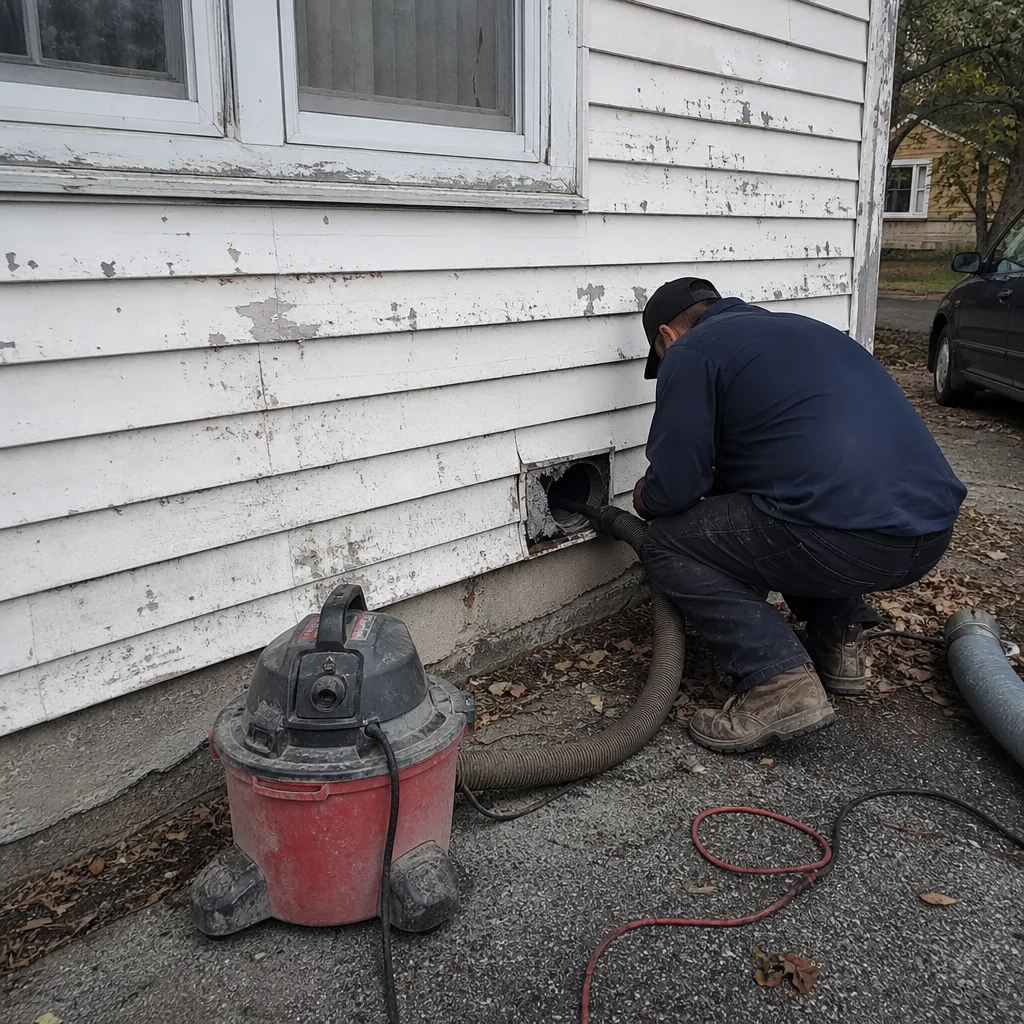 Before
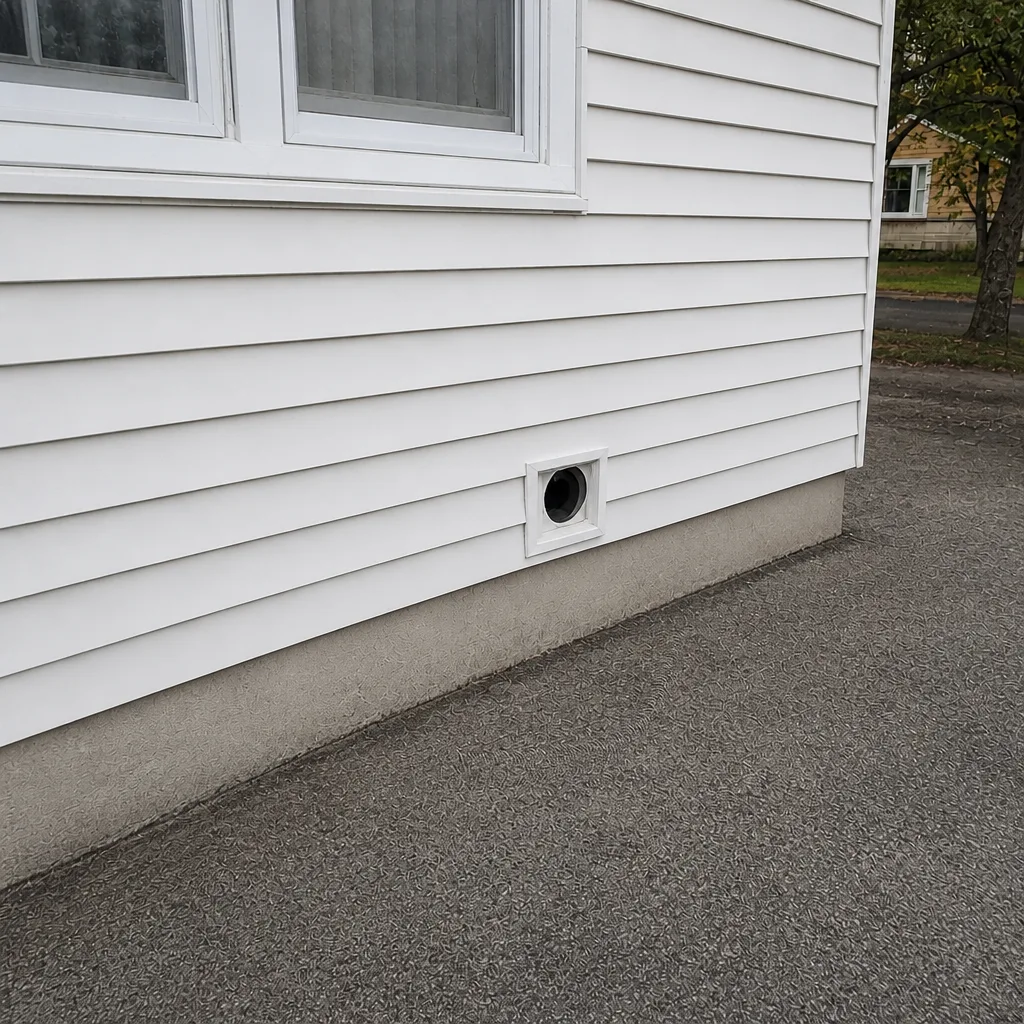 After
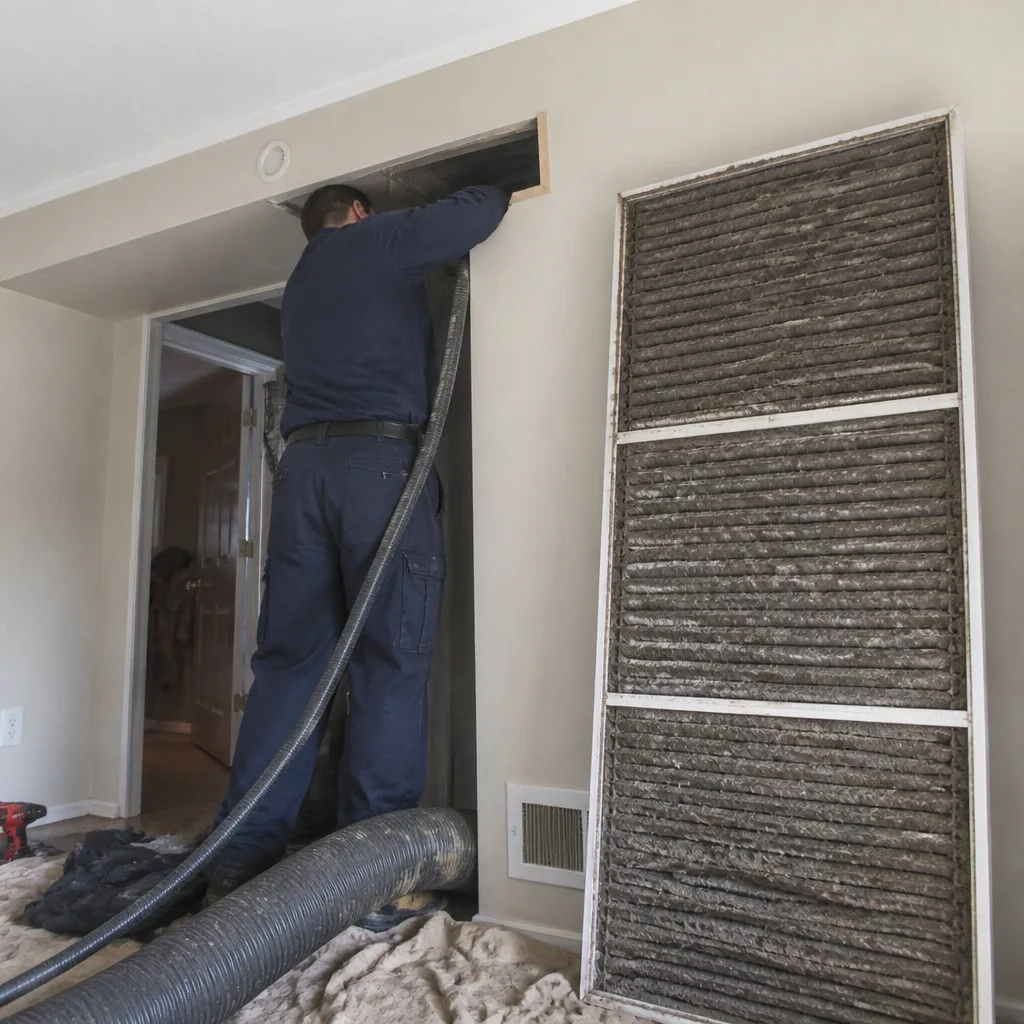 Before
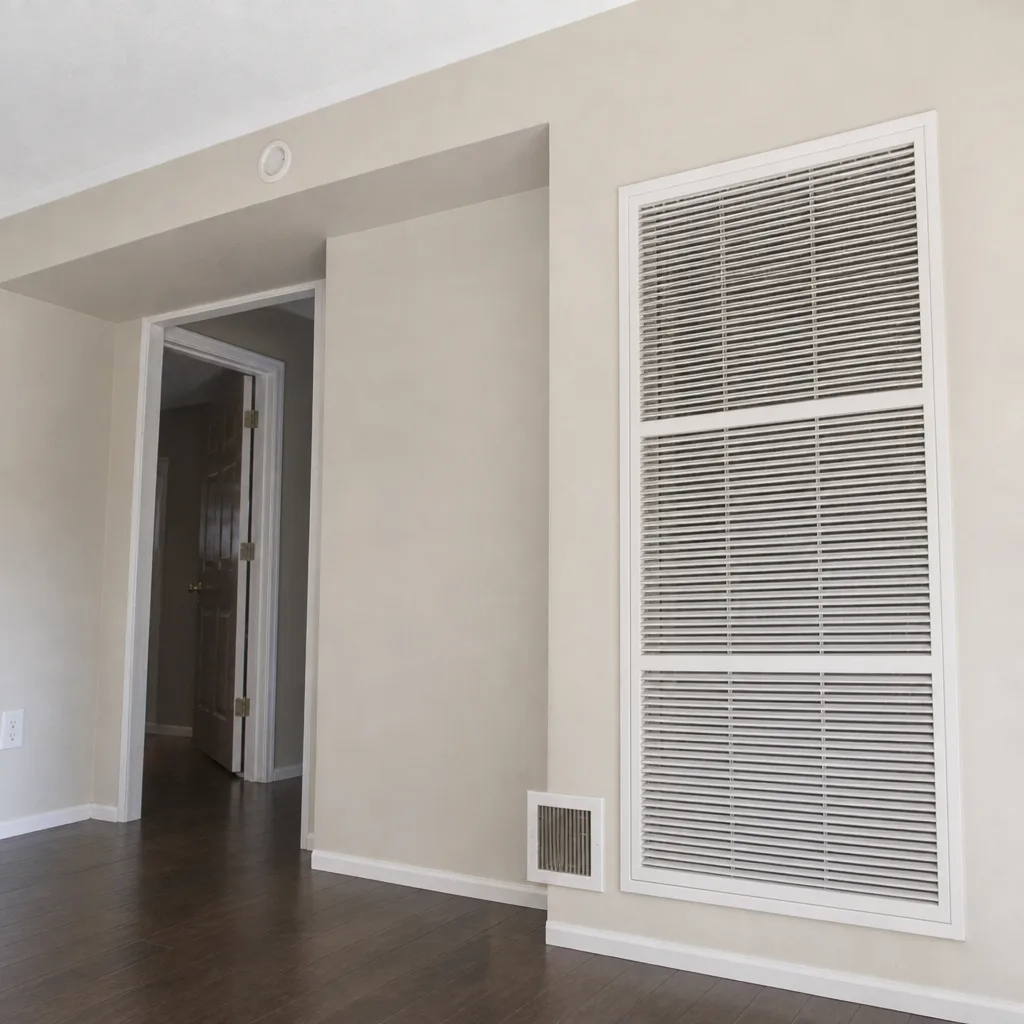 After
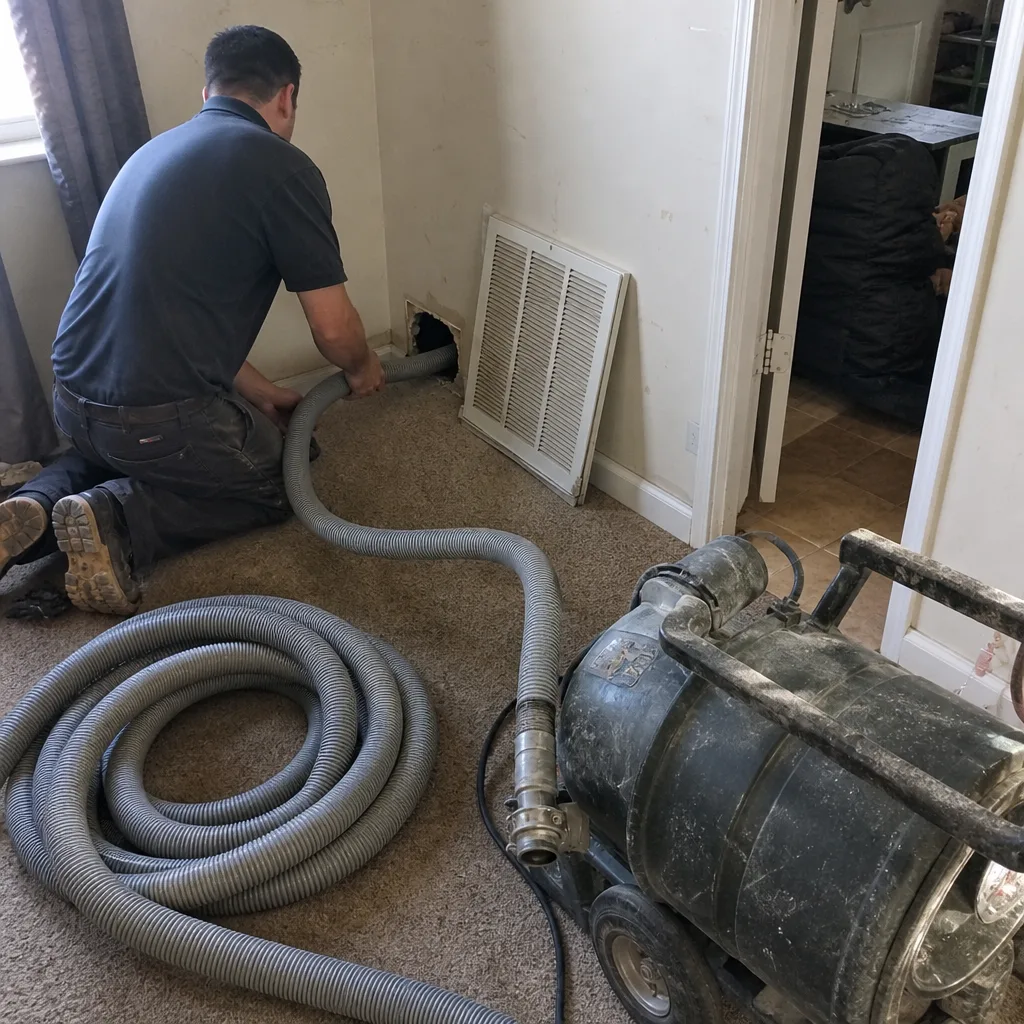 Before
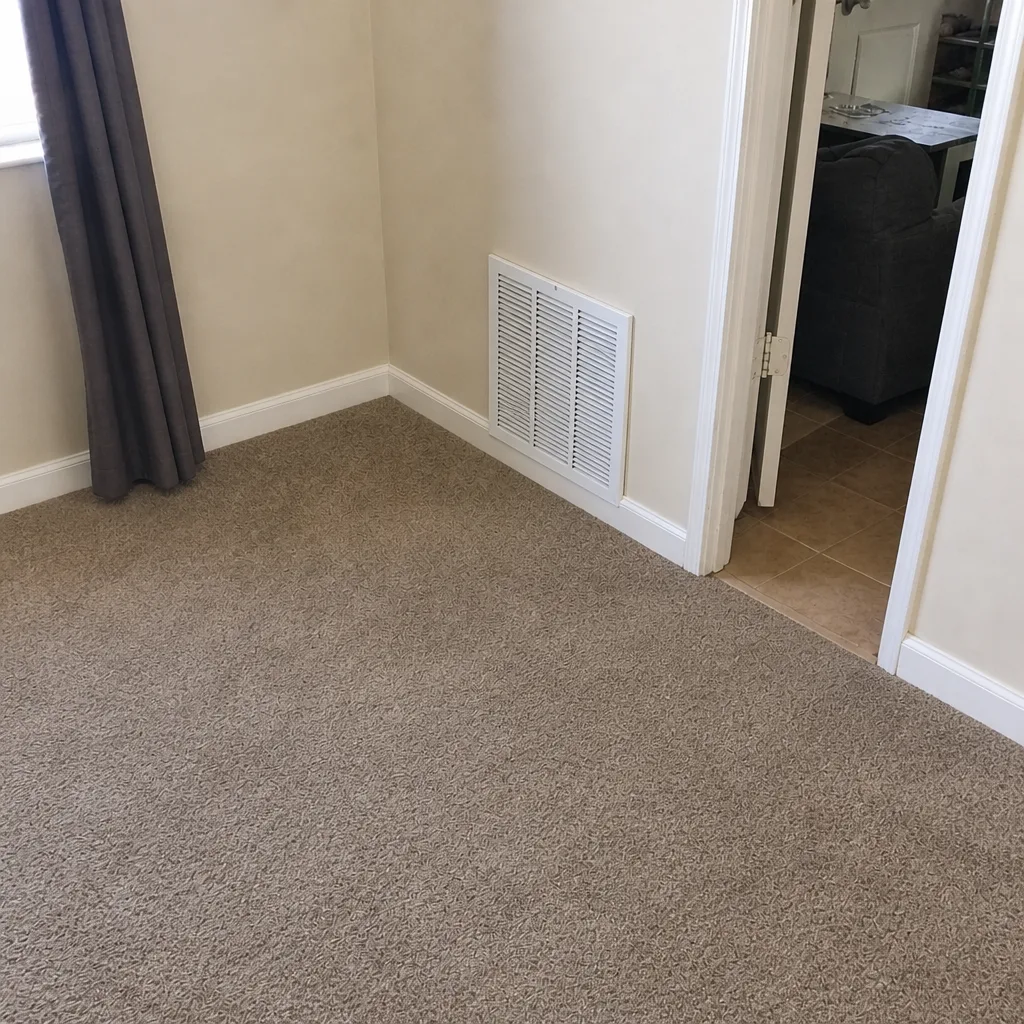 After
When to Call a Professional
Call a professional if you can see visible dust blowing from a register, if a persistent musty smell returns after filter changes, if the system has never been cleaned and the home is more than a few years old, if anyone in the household has allergies that worsen inside the home, or if you’ve noticed a crushed or disconnected duct run in the basement or attic. A rodent or moisture event in the system is also a professional call, because the containment setup required to clean it safely is more than a homeowner can improvise. Duct Cleaning Joliet offers free estimates in Joliet. Call (833) 734-7685 and we’ll walk through what the job will involve before you commit to anything. We answer 24/7. Fast dispatch from 7am to 7pm, Sunday through Friday.
Frequently Asked Questions
A typical whole-system cleaning for a standard Joliet single-family home runs $450 to $550 in 2026, with straightforward jobs from $300 and larger or heavily fouled systems up to $900. Per-vent teaser quotes as low as $99 usually exclude the trunk, the air handler, and access, so they are not comparable. Call (833) 734-7685 for an exact quote – estimates are free.
Cheap quotes usually reflect a narrower scope and lighter equipment, not a better deal. A $150 quote often covers a handful of registers with a consumer-grade vacuum; a $500 quote covers every supply and return, the trunk, the air handler, and access, using a HEPA-rated vacuum and rotary agitation. Ask what’s covered before you compare the totals.
Ask for before-and-after photos of the interior of at least one duct run. A legitimate cleaning team will show you the condition as found and as finished. We walk every homeowner through what we found and what we cleaned before the invoice is signed. Call (833) 734-7685 for a free estimate.
Most Joliet homes do fine on a three-to-five-year cycle, though conditions matter more than the calendar. New construction, recent remodeling, pets, smokers, or a system that has never been cleaned all shorten the interval. If the system has visible dust or returns a smell after a filter change, it’s due regardless of the clock.
Yes, if both are due. Lint accumulation is a leading cause of residential structure fires, and the dryer vent run doesn’t get cleaned by the duct equipment. Bundling means one visit, one access setup, and often a lower combined cost than booking them separately. Call (833) 734-7685 to schedule a combined estimate.
Often, yes. Air duct repair is a core service for us, not a referral. When we find a disconnected flex run, a crushed section behind drywall, or leaking trunk joints, we quote the repair before doing it and complete it on the same visit when the scope allows. The price is set per job by the written estimate.
The Bottom Line
Duct cleaning pricing in Joliet spreads from $99 to $900+ for real reasons: different pricing models, different equipment classes, different scopes, and different ability to fix what the job uncovers. The $150 and $650 quotes are rarely the same job, and the honest 2026 fair-price range for most single-family homes sits around $450 to $550 for a whole-system clean, with dryer vent cleaning adding $125 to $225. Ask what’s covered, ask what equipment is on the truck, ask for photos, and insist on one flat price per system agreed before work starts. That’s how you buy the right job instead of the cheapest one.
If you’re ready for a straight assessment, call Duct Cleaning Joliet at (833) 734-7685 for a free estimate. We’ll walk the system, explain the scope, and give you a written price before any work begins. Our technicians have up to 15 years of experience. We answer 24/7, with fast dispatch from 7am to 7pm, Sunday through Friday. We serve homeowners across Joliet and licensed, insured, with the equipment to clean the whole system and the ability to repair it if damage turns up. Start with Duct Cleaning Joliet if you’re not sure which service you need first.
Written by the team at Duct Cleaning Joliet.