
Last updated November 15, 2026
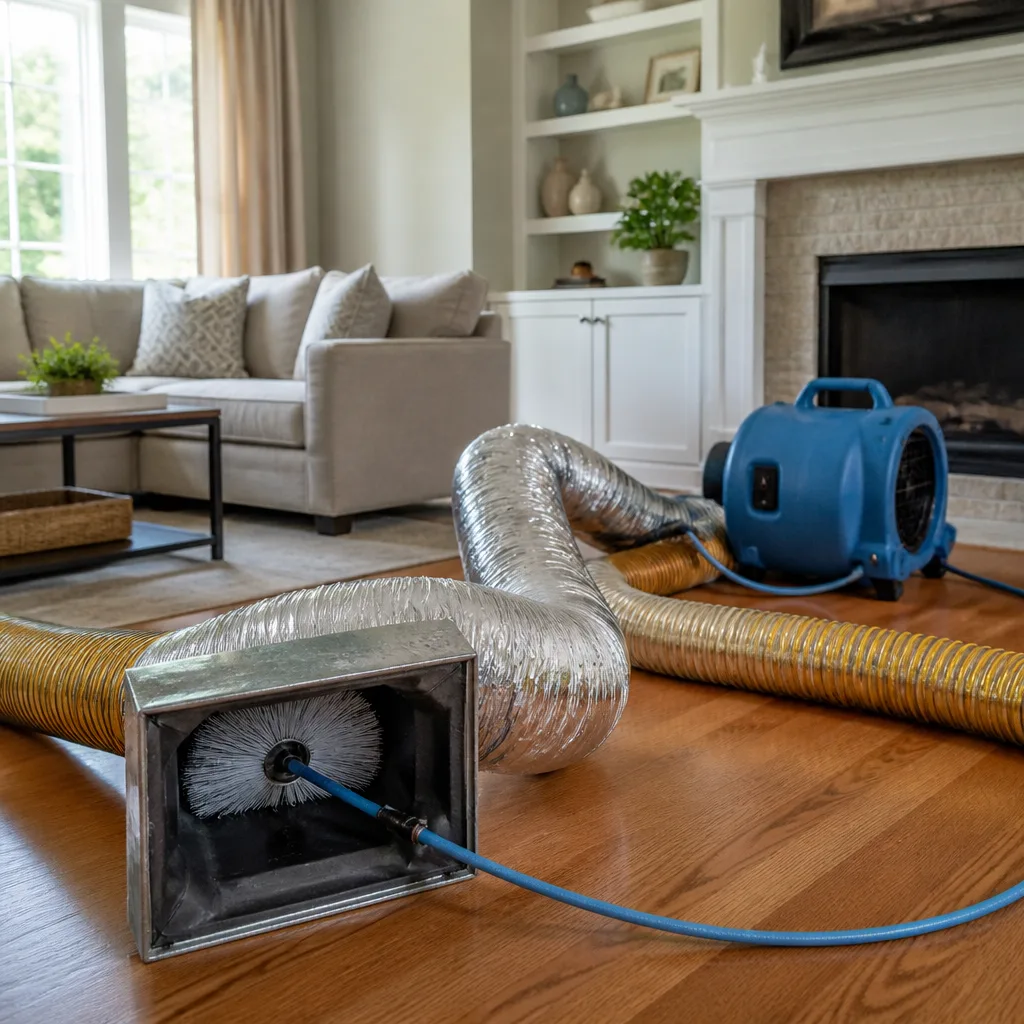 Whole-home duct cleaning
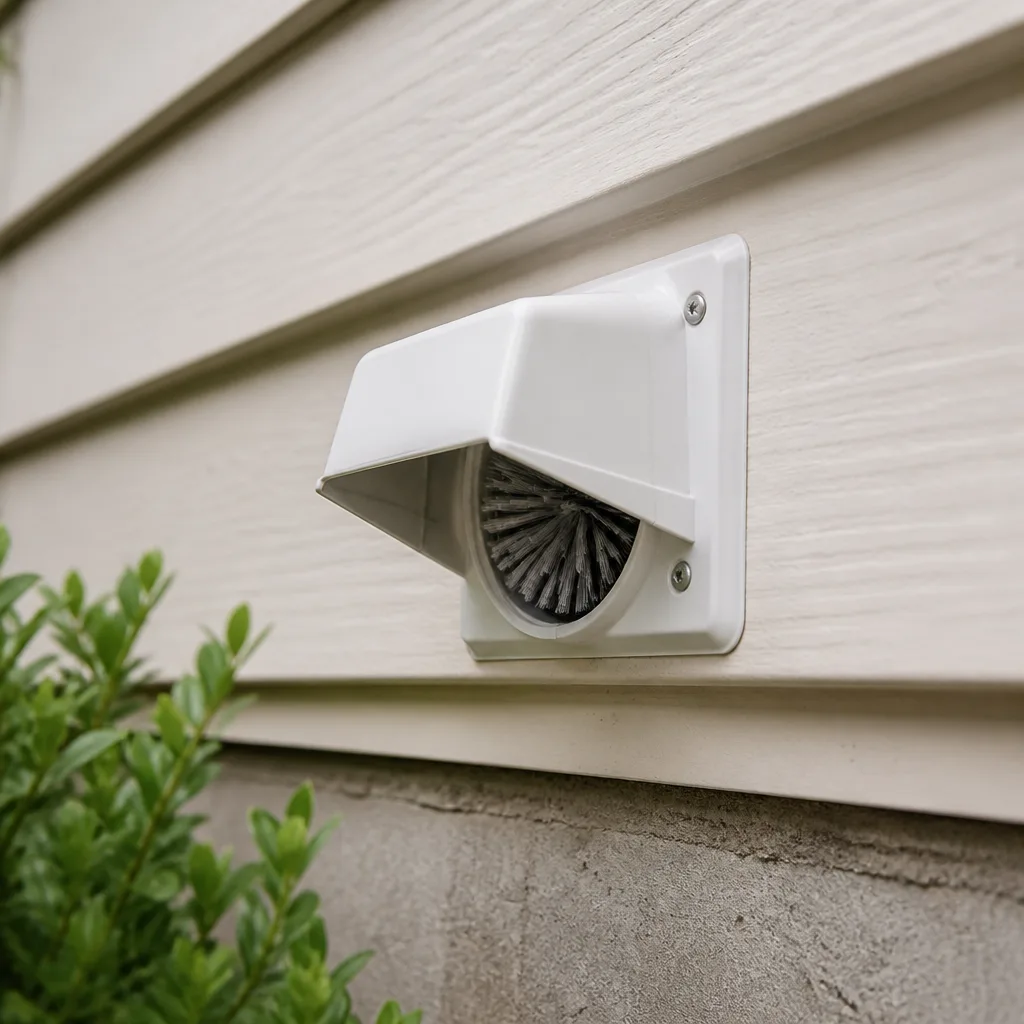 Dryer vent cleaning
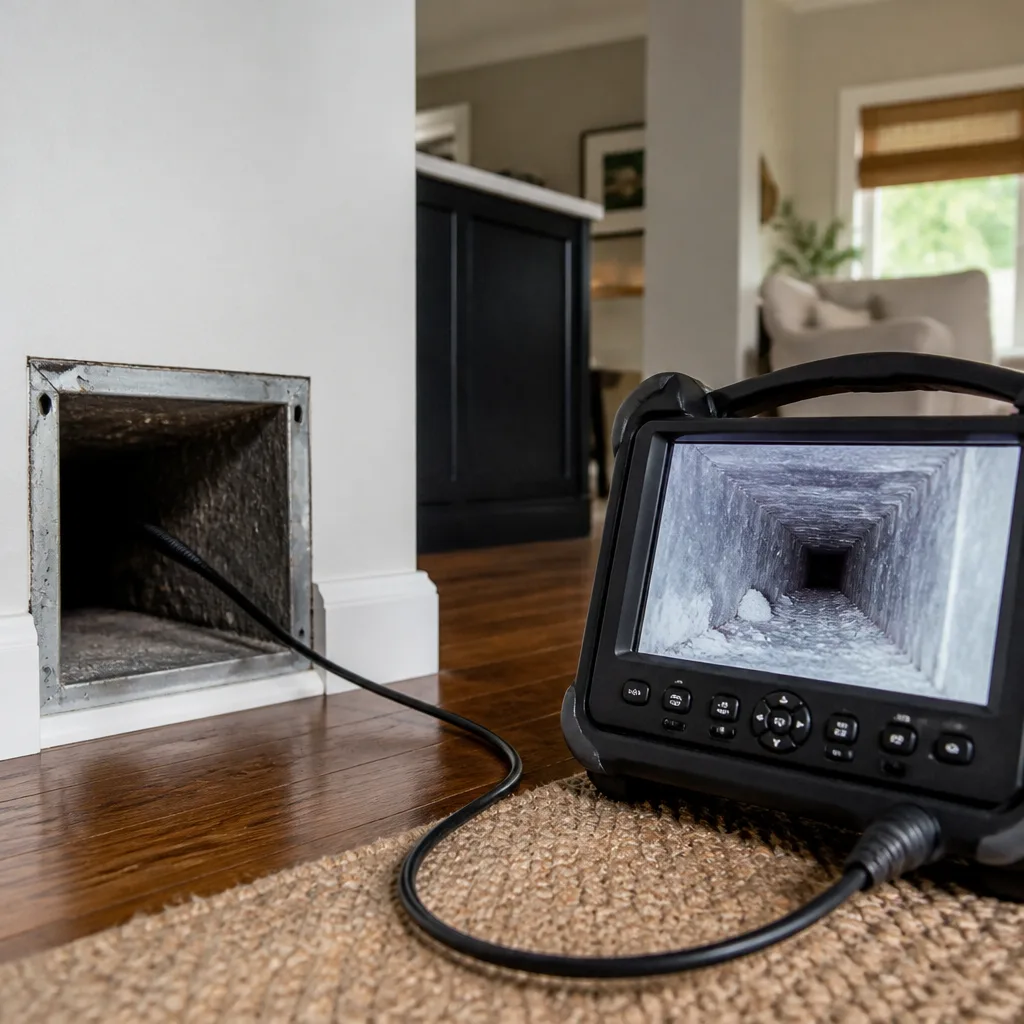 Camera inspection
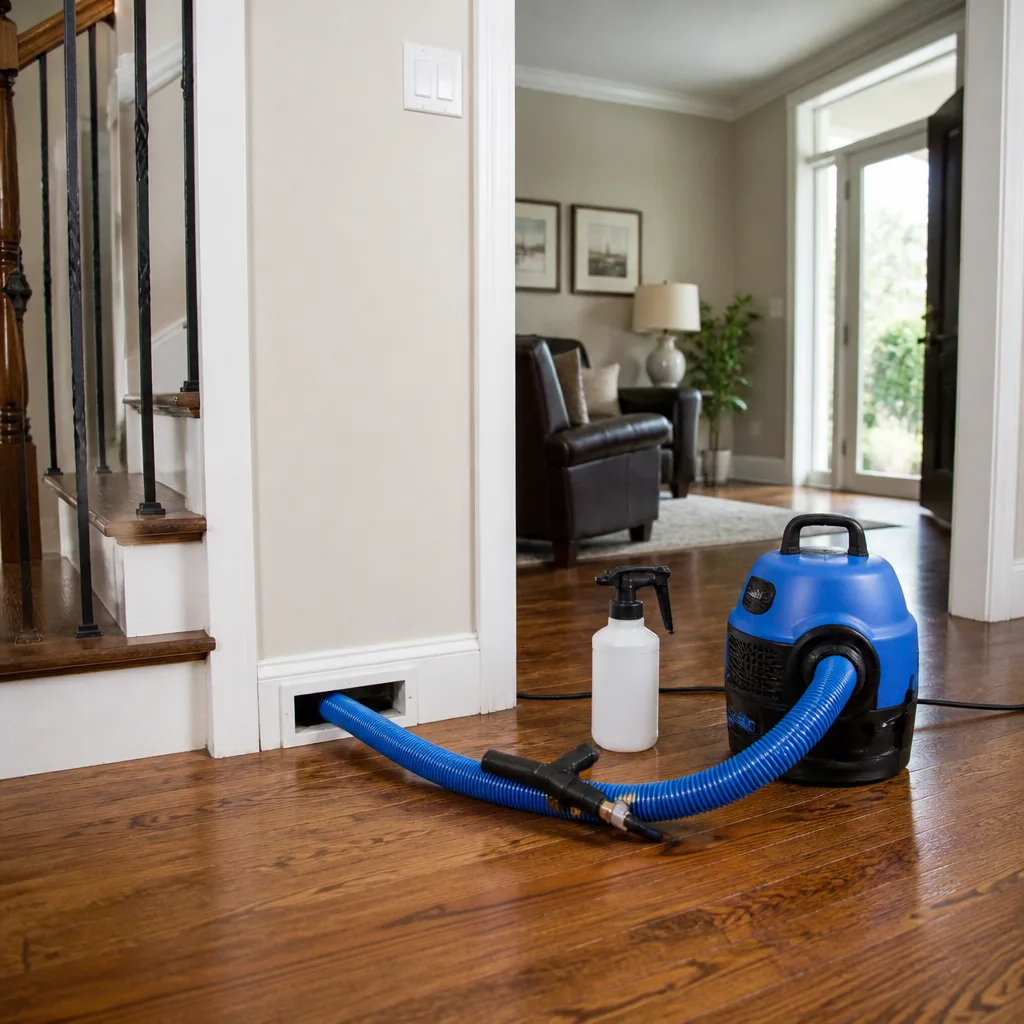 Sanitizing & deodorizing
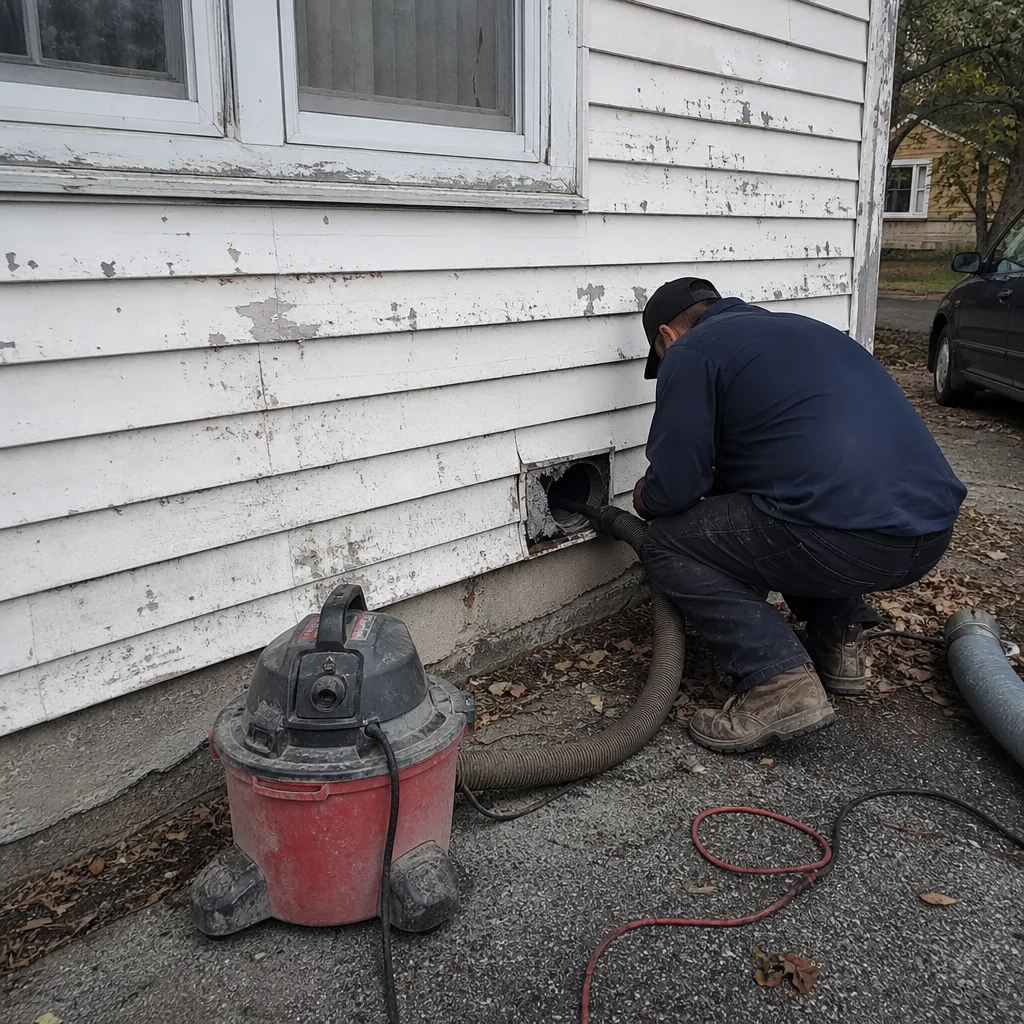
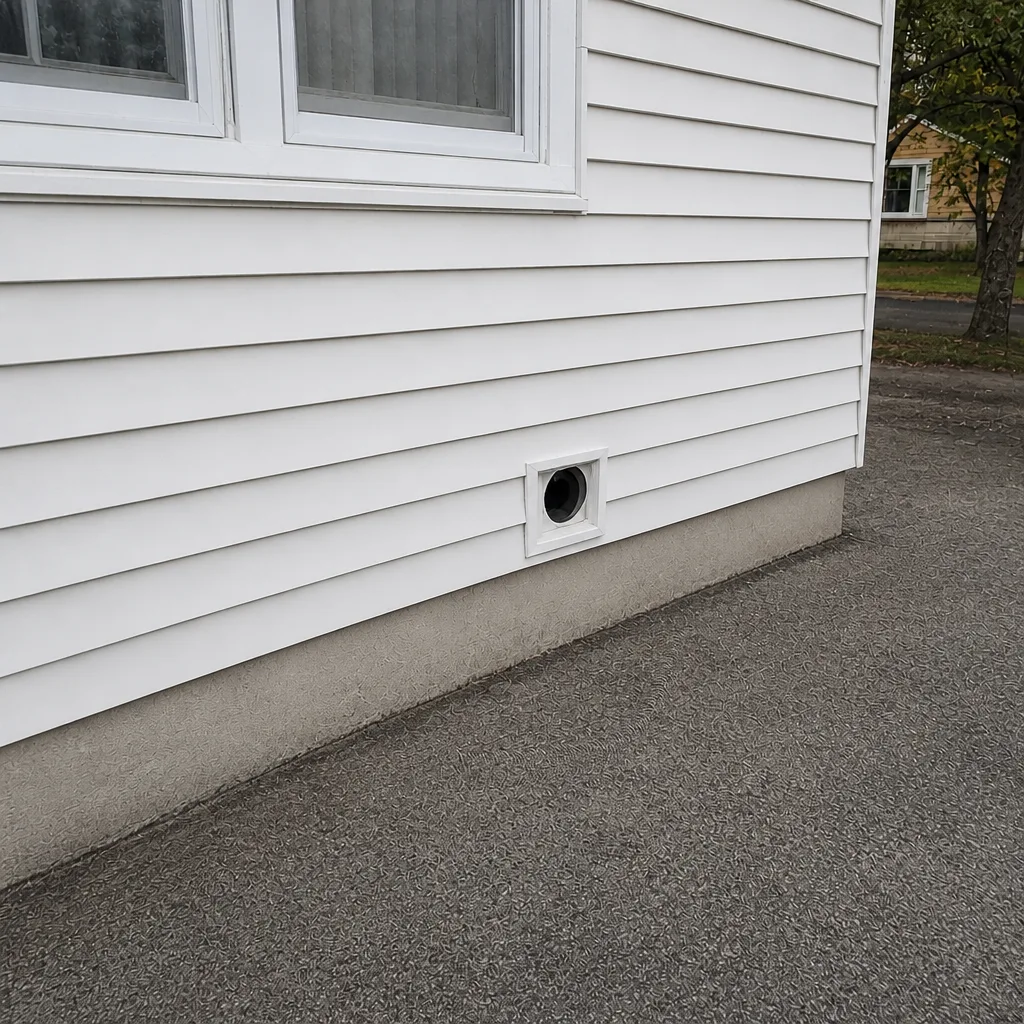
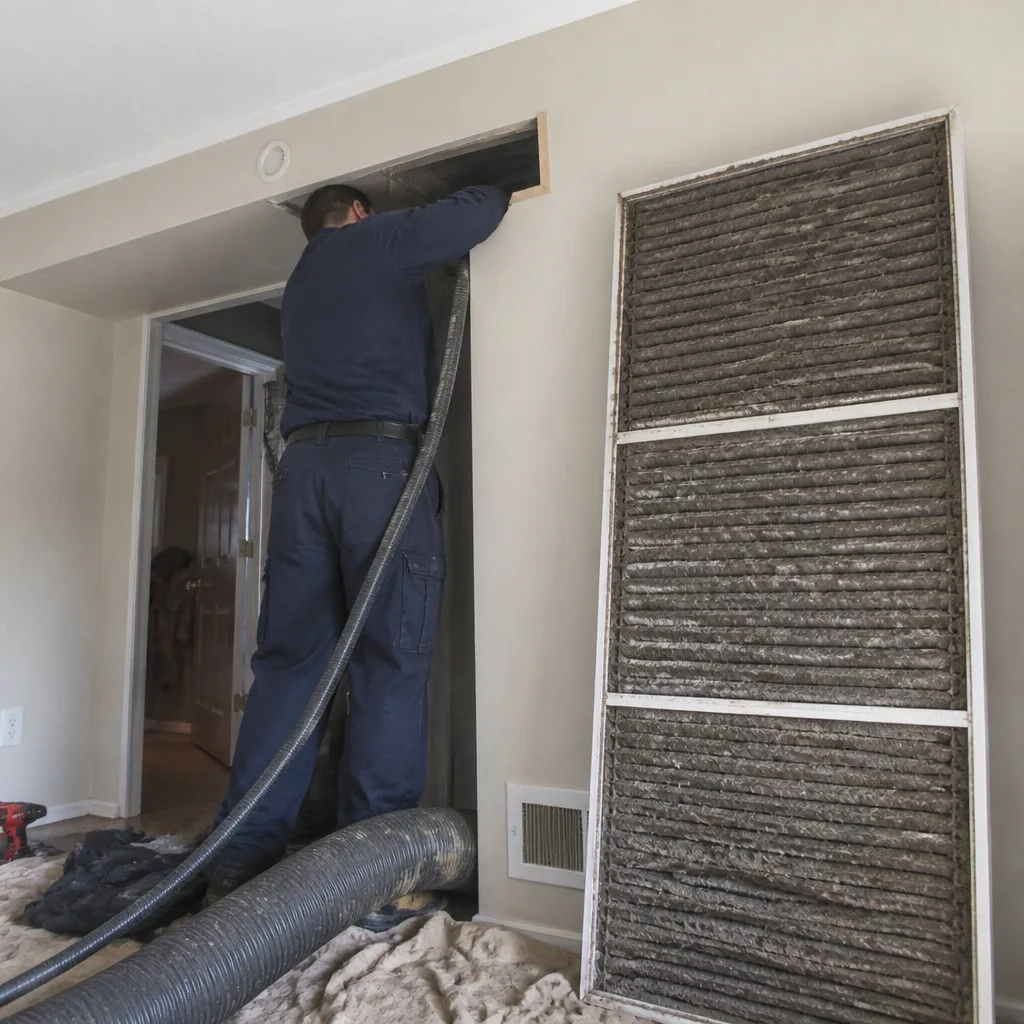
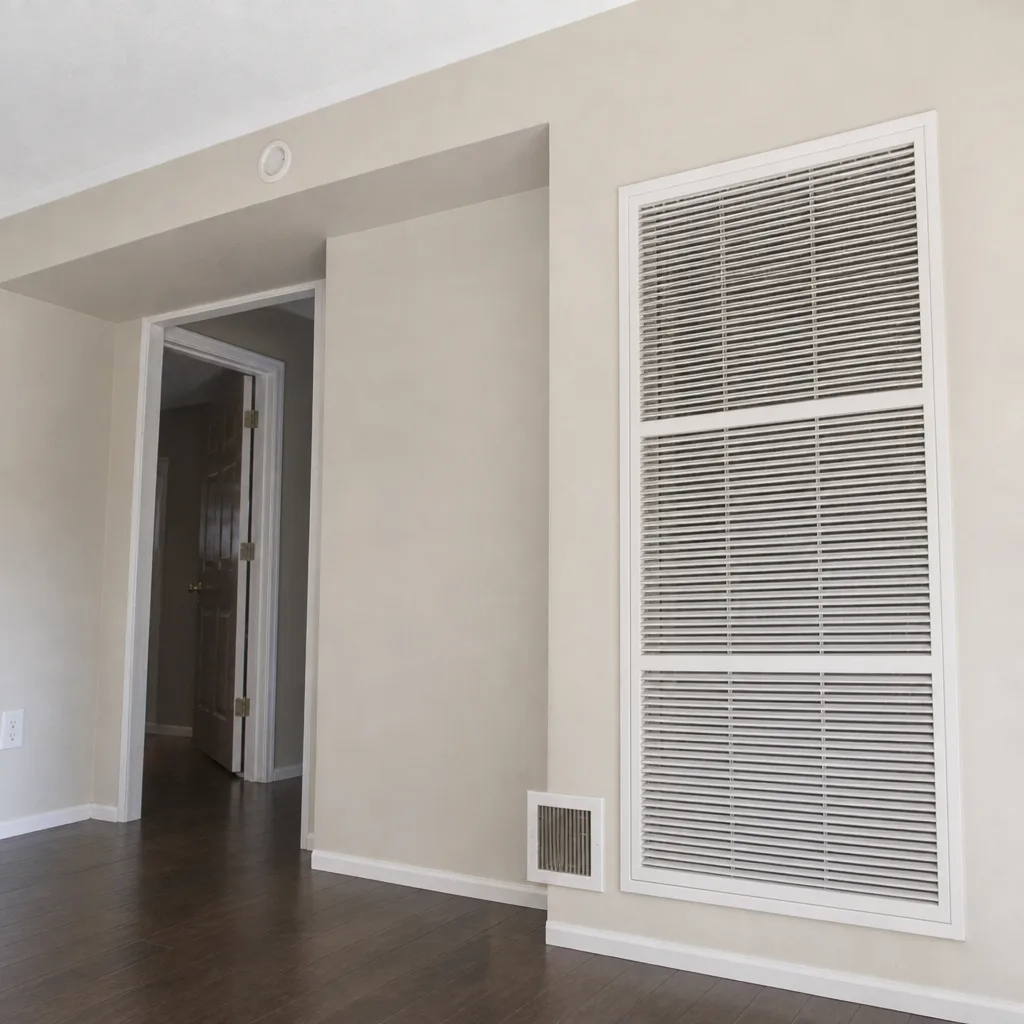
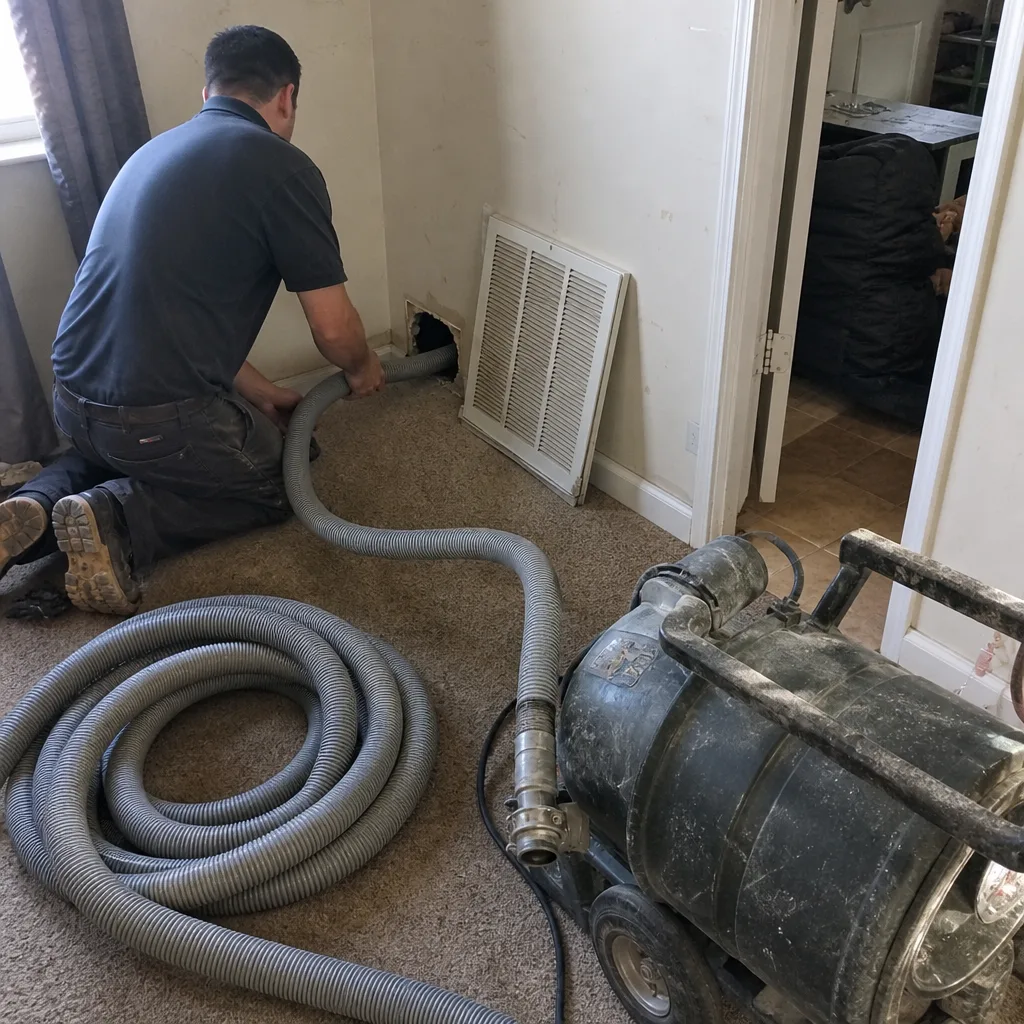
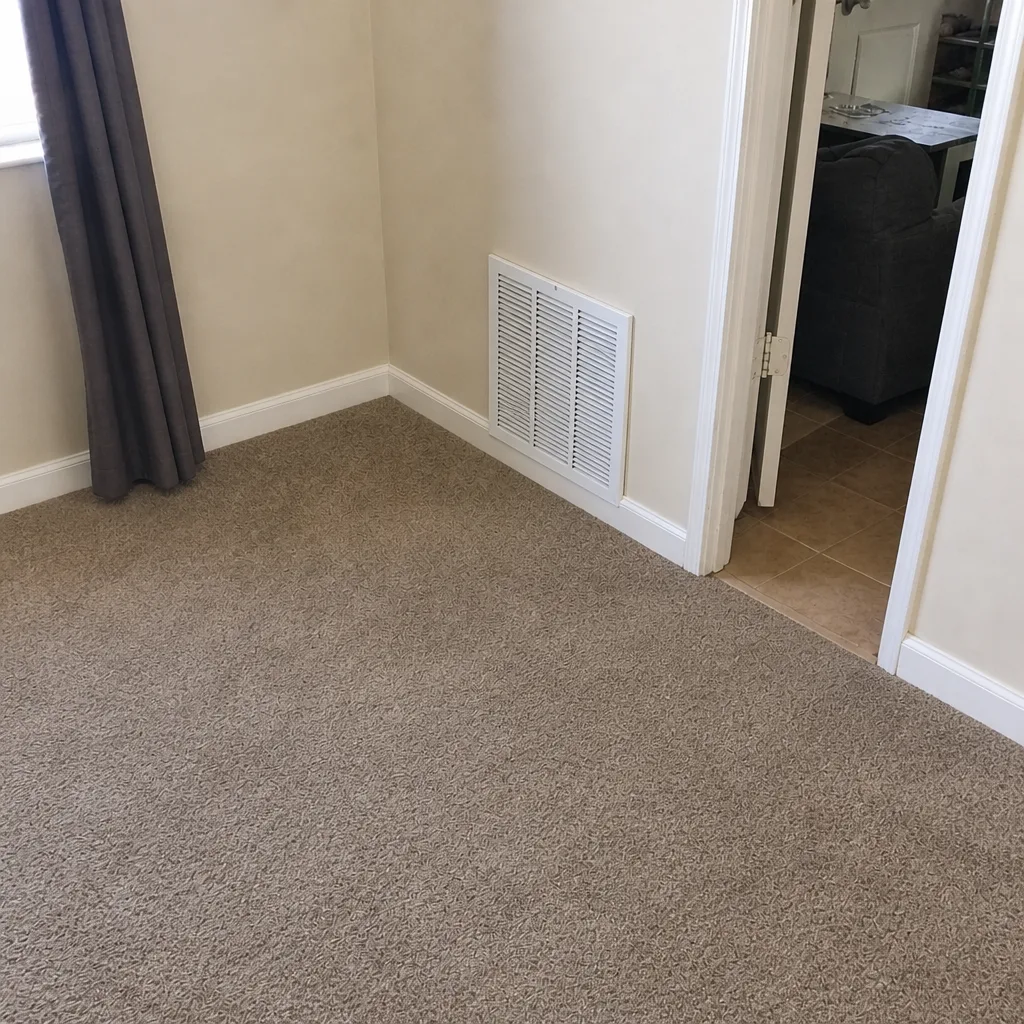
Whole-system duct and dryer vent check with before-and-after photos - you see exactly what came out of your vents
That "$99 whole-house special" is a bait ad - the real number appears once they are in your hallway, or the "clean" is a shop-vac at the register. We photograph the inside of your ducts before and after instead.
Air Duct Cleaning Emergency Preparedness Guide for Joliet Homes
After a basement flood in Joliet, the duct system is typically the last thing homeowners think about. It’s also the first place mold establishes if return-air boots sat in standing water for more than 48 hours. Most people treat duct cleaning as routine maintenance on a checklist. When water, fire, rodents or sewage get involved, the system becomes part of the emergency itself, and the cleaning protocol changes completely. This guide prepares you for those moments before they happen, so you respond correctly when a wet basement or a smoky kitchen has already pushed you into decision-mode. You’ll learn how each emergency touches a duct system, what a proper response looks like, and what documentation your insurer will expect.
Quick Answer
After a flood, fire, sewage backup or rodent intrusion in a Joliet home, air duct cleaning is a safety step, not a maintenance nicety: standing water inside return boots can support mold within 48 hours, and smoke residue and rodent contamination don’t clear with ordinary vacuuming. A remediation-grade cleaning with HEPA-rated capture equipment, and often sanitization or duct repair, is the correct response. Call a specialist before you run the furnace again.
Styles & brands we work with
- Whole-home duct cleaning
- Dryer vent cleaning
- Camera inspection
- Sanitizing & deodorizing
Table of Contents
- After a Flood: What Standing Water Does to Your Ducts
- The 48-Hour Mold Window in Practice
- Post-Fire Duct Cleaning: Sheet Metal vs. Flex Duct
- Rodent Intrusion: Active vs. Historic and Why Sanitization Isn’t Optional
- Sewage Backup and Return-Air Contamination
- Insurance Documentation for Duct System Damage
- Emergency Response Steps, In Order
- Why Equipment Grade Matters in an Emergency
After a Flood: What Standing Water Does to Your Ducts
Water damage in a Joliet duct system almost always starts below grade. Basement return-air boots and the lower sections of trunk line are the vulnerable points, because they sit low enough for groundwater intrusion or a failed sump to reach them. When water enters those runs, the duct material behaves like a saturated sponge. Sheet metal holds a film of moisture. Flex duct with its internal insulation holds far more, and that insulation stays wet long after the visible puddle drains away.
The first job after any flood is to stop treating the duct system as sealed and separate from the wet space. It isn’t. Your furnace pulls air through it, which means anything growing inside those runs gets distributed throughout the house the moment you restart the system.
Here’s how we assess whether ductwork was actually submerged, and what we check first:
- Locate the waterline mark on the ductwork, the furnace housing and the boot connections. A stain line is the clearest indicator of how high the water reached.
- Open a return grille on the lowest level and check for standing water, silt or debris inside the boot.
- Inspect flex duct insulation for saturation. A tactile check of the inner liner matters more than the outer jacket.
- Test whether the furnace or air handler was submerged above its electrical components. If it was, that’s an electrical safety issue before it’s a duct issue.
- Photograph everything before any water is pumped out or debris is moved.
If the boot connections sat in standing water, that’s beyond routine. A remediation-grade cleaning with HEPA-rated capture, and often sanitization or partial replacement, is the honest recommendation. Routine cleaning is a maintenance job; this is a containment job. The air duct cleaning we perform on a normal home looks different from what a post-flood system needs, and we’ll say plainly which one applies to yours.
The 48-Hour Mold Window in Practice
The 48-hour figure gets repeated often enough that it can start to sound abstract. In a Joliet basement after a flood, it’s concrete. Mold spores need moisture plus organic material to colonize, and wet flex duct insulation and damp dust inside sheet metal runs supply both. What happens across that window matters, and so does what doesn’t happen.
The window isn’t a guarantee that mold appears at hour 49. It’s a practical benchmark: within roughly two days of sustained moisture, conditions become favorable enough that you shouldn’t assume the system is clean. The realistic variables are how wet the system actually got, whether airflow reached the wet areas to help drying, and how warm the space stayed afterward.
What “48 hours” means practically for your decisions:
- Don’t restart the HVAC system to “dry things out” with airflow. That distributes spores instead of resolving them.
- Document the timeline. When water entered, when it was pumped out, and when the system was last run all matter to both the remediation plan and your insurer.
- Assume the wet sections are compromised. A cleaning that doesn’t address visible or suspected mold inside the duct isn’t adequate for a flooded system.
- Get eyes inside the duct with a camera inspection rather than relying on what’s visible from the grille.
Containment matters as much as cleaning. We use Abatement Technologies equipment for jobs involving suspected mold or heavy allergen loads, because once spores are disturbed inside a duct system, they need to be captured, not just loosened. That’s the difference between a cleaning that leaves the system better and one that just moves the problem around the house.
Post-Fire Duct Cleaning: Sheet Metal vs. Flex Duct
Smoke residue behaves differently depending on what it’s sitting on. In a Joliet home fire, the duct system ends up acting as both a chimney for smoke and a reservoir for odor. The critical distinction is material: sheet metal ductwork can very often be cleaned and resealed, while flex duct is frequently a replacement decision.
Sheet metal holds smoke residue as a surface film. With the right equipment, it can usually be cleaned, sanitized and returned to service. Flex duct is different. Its corrugated inner liner traps smoke odor in the ridges, and its insulation layer absorbs residue in ways that cleaning can’t fully reach. When odor returns after repeated cleanings, replacement of the affected sections is often the more cost-effective path, and it stops the cycle.
What to know before the cleaning starts:
- Ask for material-aware recommendations. A quote that treats all duct as identical isn’t dealing with the fire aftermath honestly.
- Identify what’s actually installed. The correct plan depends on how much of the system is flex vs. rigid sheet metal.
- Address odor at the source. Air fresheners and purifiers mask smoke smell temporarily; they don’t remove residue from duct surfaces.
- Consider duct repair on the same visit. Heat, water from firefighting, or the fire itself can leave gaps, disconnected runs or damaged connections. We can inspect, then repair what we find without handing you off to another contractor.
- Plan for the furnace and coil. Smoke can reach the air handler and coil, so the cleaning plan should address those areas too.
If you’re deciding between cleaning and replacing a duct run, the answer usually comes down to material, how much of the run was affected, and whether odor returns after cleaning. That’s a conversation worth having before any work begins, not after.
Rodent Intrusion: Active vs. Historic and Why Sanitization Isn’t Optional
Rodents in a duct system leave behind more than droppings and urine. They leave nesting material, hair, and a contamination load that regular cleaning doesn’t fully resolve. The first question a good technician asks is whether the infestation is active or historic, because that changes the plan.
Active infestation means animals are still present. Cleaning before exclusion just gives them a clean space to recontaminate. Historic means the intrusion is over but the residue remains, which is a contamination problem that sanitization resolves. Those are different jobs.
What a technician should physically inspect:
- Look for evidence at and around return grilles and supply boots: droppings, gnaw marks, nesting material, hair.
- Check for gaps around duct penetrations, foundation penetrations and crawl space entry points, since these are common entry routes.
- Use a camera to inspect inaccessible runs where visual checks at the grille can’t reach.
- Confirm whether the evidence layer looks fresh or dried and aged. This is how active vs. historic gets separated.
- Inspect the furnace and filter housing. Filters and blower compartments are common rodent hideouts.
Sanitization isn’t optional in a rodent scenario. Once droppings and urine have been present, cleaning alone leaves the allergens and pathogens behind. We treat sanitization as a required step, not an add-on, and we can pair it with any duct repair the inspection turns up. If you’ve been living with a rodent problem and noticing musty or unusual odor from the vents, a camera inspection answers the question quickly. Our Duct Cleaning Joliet service covers the full inspection-and-cleaning sequence, and the same visit can handle remediation if the problem goes beyond routine.
Sewage Backup and Return-Air Contamination
When a basement backup reaches return-air intakes, you’re not dealing with a dirty-duct situation. You’re dealing with Category 3 contamination, which is water carrying sewage and pathogens. The cleanup scope shifts from “clean the ducts” to “contain, remove and sanitize,” and the classification drives how aggressively that happens.
The first point to understand: a return-air intake is effectively an open hole in your HVAC system, and if sewage-contaminated water reached it, material inside that boot and downstream of it was exposed. Sheet metal can be cleaned and sanitized. Flex duct that was saturated with contaminated water usually can’t be, and the correct move is removal followed by sanitization of the surrounding area and any remaining runs.
What the scope typically includes in a sewage situation:
- A contamination assessment to determine what was exposed and how far the exposure travels.
- Containment of the work area with negative pressure so disturbed material doesn’t migrate into the house.
- Removal of unsalvageable ductwork rather than attempting to clean what can’t be cleaned safely.
- Sanitization of the remaining system after removal.
- Documentation of what was removed, what was sanitized, and what was replaced for insurer review.
We use HEPA-rated Nikro vacuum equipment and Abatement Technologies containment gear for these jobs because the standard for sewage-related work is containment, not just suction. When we assess a Joliet sewage backup that reached the ducts, we walk you through what’s salvageable and what isn’t. That assessment is where a proper remediation begins.
Insurance Documentation for Duct System Damage
If you’ve filed a claim that involves duct damage, what you can show matters as much as what happened. Insurers need a scope, evidence of damage, and a record of what was done. If you document thoroughly before work starts, you make it much easier for your adjuster to approve the right remediation.
Build a documentation packet that includes:
- Timeline of the event. What happened, when, and when the system was last running.
- Photographs of everything before cleaning. The waterline marks, contamination visible at grilles, camera images of inside the duct, and any removed material.
- A written scope from the contractor. What needs cleaning, what needs sanitizing, what needs removal and replacement, and the reasoning behind each decision.
- Before-and-after photos of your own ducts. This is the clearest evidence that the work was actually performed and to the right scope.
- Filter and equipment records. Any evidence of contamination reaching the furnace or air handler.
We provide written scopes and before-and-after photos of your own system so that whatever comes up in a claim, the record is complete. If your insurer has questions about scope, we can work with them to make sure the documentation is clear. We don’t bill your insurer directly, but the written estimate and photos we provide are what most adjusters ask for in a duct-related claim.
Emergency Response Steps, In Order
When a flood, fire, sewage backup or rodent intrusion happens, the order in which you act matters. Doing the right thing in the wrong sequence can spread contamination, delay remediation, or hurt your claim. Here’s the sequence we recommend.
- Stop the HVAC system. Don’t run the furnace or air handler until a professional has assessed the ductwork. Airflow distributes whatever is inside.
- Document before you touch anything. Photos of the waterline, contamination at grilles, any removed duct, and the scene before any cleanup begins.
- Address the water or source first. Pump the basement, seal the rodent entry points, or contain sewage-affected areas before duct work starts.
- Call a duct specialist for an inspection. A camera inspection inside the duct tells you what kind of cleaning job this actually is.
- Agree on a scope in writing. Cleaning, sanitizing, removal and repair are separate line items, and you should see which apply before work starts.
- Get before-and-after documentation. Your own ducts, photographed before and after, are your evidence for insurance and for the work having been done to scope.
- Replace the filter last. Once cleaning and any repair is complete, a new filter completes the job.
Owners and property managers in Joliet who’ve been through one of these events often tell us the hardest part wasn’t the cleanup itself. It was not knowing the sequence. This list is the sequence, in plain order.
Why Equipment Grade Matters in an Emergency
Not all duct cleaning is built for recovery work. A maintenance cleaning and a remediation cleaning ask different things of the equipment, and the difference is real. In a flood, fire, rodent or sewage scenario, the system has contaminant load inside it that needs to be captured, not just loosened. Equipment that can’t hold onto what it dislodges either leaves it in the duct or pushes it into the house.
What we bring to recovery jobs, and why:
- Rotobrush rotary brush systems for mechanical cleaning that reaches duct surfaces rather than just pulling air through them. This is the same platform commercial duct contractors use.
- Nikro HEPA-rated vacuum equipment for verified particulate capture. In a contaminated system, capture is the whole point.
- Abatement Technologies containment equipment for allergen, mold and contaminant scenarios where disturbed material must be held and removed, not redistributed.
- Honeywell and Aprilaire system compatibility because on homes with whole-home filtration installed, the cleaning plan has to work with those systems, not around them.
Our technicians have up to 15 years of experience with this equipment. We’re licensed and insured, we agree to one flat price per system before work starts, and if the inspection turns up damaged ductwork, we can repair it on the same visit. That’s what makes us able to handle a recovery job end to end, rather than sending you to find a second contractor for the repair portion. Dryer vents are the other fire-safety side of what we do. A lint-clogged dryer vent is a leading cause of residential structure fires, and the dryer vent cleaning we perform is a fire-safety service, not just a courtesy.
Common Mistakes to Avoid
- Running the HVAC to “air out” a flooded or smoky house. That spreads spores or smoke residue through the whole system. Leave the system off until it’s assessed.
- Skipping the camera inspection. What you can see at the grille tells you very little about what’s inside the trunk line. A camera inspection is how the scope gets accurate.
- Treating sanitization as optional. After rodent intrusion or sewage contact, cleaning alone leaves the contamination load behind. Sanitization is part of the job.
- Cleaning without addressing active rodent entry points. If the animals are still getting in, cleaning just gives them a fresh start. Exclusion has to happen either before or alongside remediation.
- Pumping water out before documenting. Insurers need the waterline evidence, and once the water is gone, so is the documentation trail.
- Accepting a quote without a written scope. A number without a scope doesn’t tell you what’s being cleaned, what’s being sanitized, or what’s being removed.
- Forgetting the dryer vent in a post-fire or post-flood check. The vent is part of the safety picture, and it deserves the same inspection as the rest of the system.
See the difference
 Before
 After
 Before
 After
 Before
 After
When to Call a Professional
Call a professional the moment water, fire, sewage or rodents have reached the duct system, and sooner rather than later if a wet basement has left return boots in standing water. Do it before restarting the furnace, before assuming ordinary cleaning will handle it, and before a box store vacuum gets pulled out. The right call is also the one when you’ve noticed contamination at a grille, a persistent odor from the vents, or debris around a return. Duct Cleaning Joliet offers free estimates in Joliet. Call (833) 734-7685. We answer 24/7, with fast dispatch from 7am to 7pm. If you need the duct system looked at and you’re in the Joliet area, the inspection is the place to start.
Frequently Asked Questions
Typical air duct cleaning in Joliet runs about $300 to $550 for a whole-home system, and remediation jobs after a flood, fire or rodent intrusion usually land higher depending on what’s involved. We give one flat price per system, agreed before work starts, with no per-vent pricing. The written estimate sets the final price. For an exact number for your home, call (833) 734-7685. Estimates are free.
Low quotes often come from crews with equipment that can’t capture what it dislodges, or from a price that becomes far larger once the technician is on site. A real remediation job needs HEPA-rated capture and containment, and those tools cost more to run. We don’t quote a teaser figure. We quote one flat price per system, agreed before work starts, and the result is a job done to scope, not a job billed by the piece. Call (833) 734-7685 for an honest range.
You should ask for before-and-after photos of your own ducts, not stock images. We provide them as part of the record on every job. That’s also the evidence you need for an insurance claim. A cleaning you can’t document is a cleaning you can’t verify. Call (833) 734-7685 to schedule an inspection.
Conditions become favorable for mold growth in roughly 48 hours once moisture is sustained, so a flooded duct system should be treated as compromised until it’s inspected. Wet flex duct insulation and damp dust inside sheet metal runs both support it. Don’t run the furnace in the meantime; that distributes spores. Call (833) 734-7685 to get the system assessed.
Duct cleaning after a covered fire loss often is, because it’s part of returning the home to a livable condition. Approval depends on your policy and your adjuster. Thorough documentation helps, and that means photos before any work, a written scope from the contractor, and before-and-after images of your own ducts. We can work with your insurer to make sure the paperwork is clear. Call (833) 734-7685 for an inspection and written scope.
It depends on whether the backup reached a return-air intake. If it did, the ducts were exposed to Category 3 contamination, and the correct handling is containment and sanitization of what was exposed, with removal of material that can’t be salvaged. If the water didn’t reach any duct opening, the ducts may be out of scope – but that has to be confirmed by inspection. Call (833) 734-7685 to have the system checked.
Cleaning alone doesn’t. Active infestation needs exclusion first, then cleaning and sanitization once the entry points are sealed. Cleaning before exclusion just gives the animals a fresh start. Sanitization is required either way, because the contamination load after rodents is real and regular cleaning leaves it behind. Call (833) 734-7685 for an inspection.
For a home that hasn’t had a flood, fire, sewage event or rodent intrusion, most systems do well with cleaning on a multi-year cycle, with attention paid to a new home’s construction dust or a renovation that dumped drywall dust through the returns. Any of the emergencies above moves the timeline to now. If you’re unsure which applies to you, an inspection answers it. Call (833) 734-7685 for a free estimate.
The Bottom Line
Duct cleaning during an emergency isn’t a maintenance appointment. It’s part of the recovery work, with a different assessment, a different equipment standard and a different scope than a routine cleaning. The practical rules are simple. Stop the system when water, fire, sewage or rodents reach the ducts. Document everything before you clean anything. Insist on a camera inspection and a written scope. Treat sanitization as required, not optional. Get before-and-after photos of your own system. Whether it’s a flood, fire, sewage backup or rodent intrusion, the response sequence is what protects the home, the health of the people in it, and your insurance claim. If you’ve had any of these events in Joliet, get the system inspected. Call (833) 734-7685 for a free estimate. We answer 24/7. Fast dispatch from 7am to 7pm. We’re licensed and insured, we agree to one flat price per system before work starts, and we can repair what the cleaning uncovers on the same visit.
Written by the team at Duct Cleaning Joliet.